




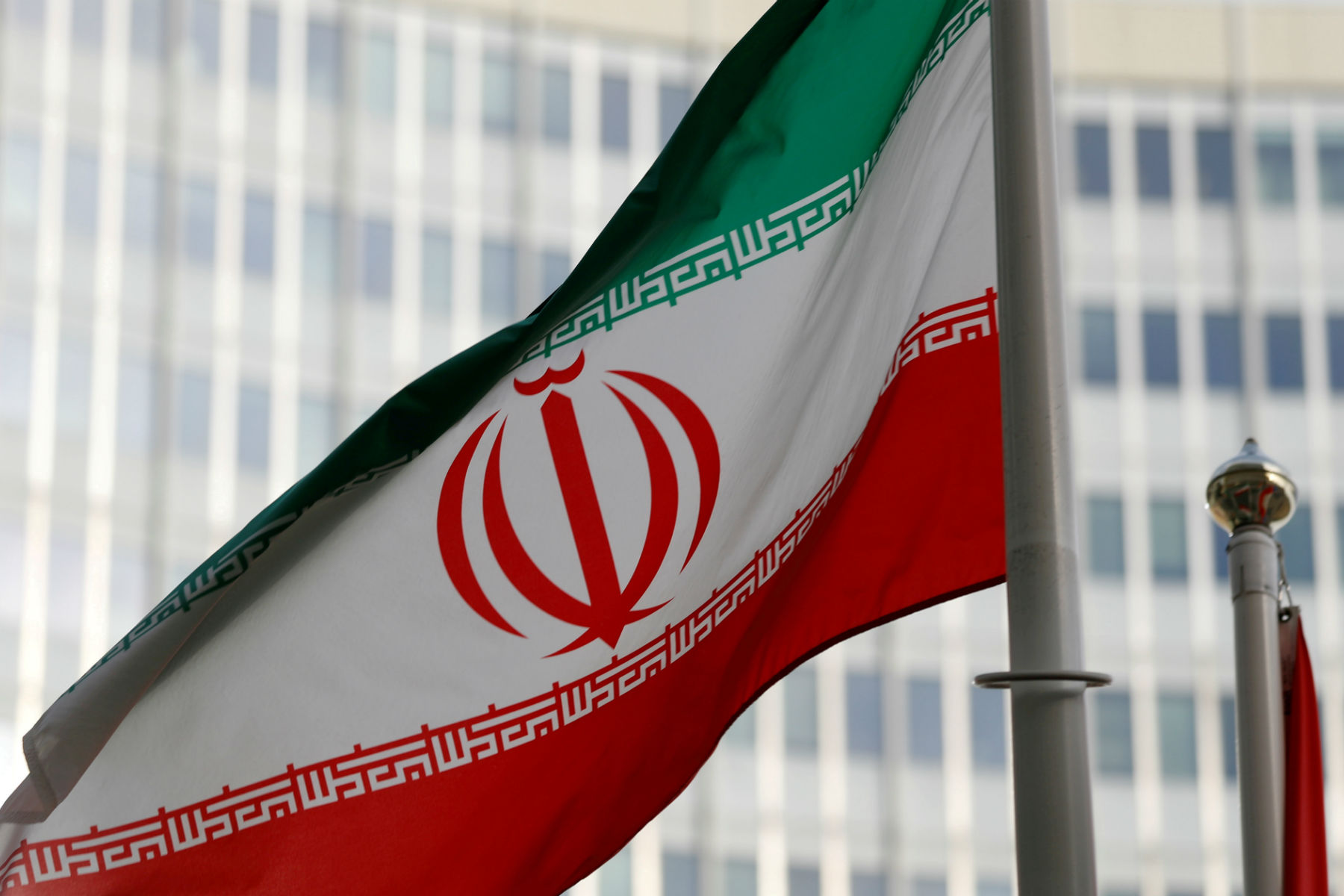
Former National Security Advisor John Bolton offered a striking assessment of recent U.S. and Israeli airstrikes on Iran’s nuclear facilities, calling the damage “extraordinarily difficult” to reverse and warning of continued threats from the Iranian regime. Appearing on Chicago’s Morning Answer with Dan Proft, Bolton also weighed in on Iran’s use of humanitarian aid as a weapon, the future of U.S. involvement in Ukraine, and what he called the “cynical brutality” of Hamas.
Responding to Iranian Foreign Minister Abbas Araghchi’s admission that the nation’s nuclear enrichment facilities had been “seriously damaged” and the program temporarily halted, Bolton said he believed the statement was likely accurate—though it could also be part of a broader disinformation campaign. Still, based on publicly known intelligence, Bolton said the joint U.S.-Israeli strikes targeted not just uranium enrichment centrifuges, but also the broader supply chain needed to convert enriched uranium gas into weapons-grade metal.
“You can’t build a bomb with gas,” Bolton emphasized, noting that key facilities for uranium conversion at Esfahan were believed to have been destroyed in the Israeli strikes.
While he praised the effectiveness of the airstrikes, Bolton was critical of the Trump administration’s decision to halt the campaign before completing a broader objective. He warned that although Iran’s program has been set back significantly, its regime remains a threat—particularly through its reliance on targeted assassinations and terrorist activity. Bolton himself was previously the target of an Iranian plot, a fact that underscores the risks faced by current and former U.S. officials.
On the issue of humanitarian aid in Gaza, Bolton cited a Washington Post report detailing Hamas’ confiscation and resale of food and medical supplies for profit. He said this tactic mirrors the behavior of other authoritarian regimes, including Saddam Hussein’s use of U.N. aid during the 1990s. According to Bolton, Hamas’ manipulation of humanitarian aid is part of a broader strategy to control the Palestinian population and rebuild revenue streams, despite public claims that Israel is solely to blame for civilian suffering.
Bolton also addressed U.S. policy toward Ukraine, particularly former President Donald Trump’s recent delivery of Patriot missile systems amid his ongoing efforts to push for a ceasefire. While Bolton called the move to arm Ukraine the right decision, he suggested it was also a political calculation aimed at buying time and avoiding appearing weak after failing to broker a peace deal with Vladimir Putin.
He warned that Ukraine’s survival hinges not only on high-profile weapons systems like the Patriots, but also on sustained intelligence and logistical support from the U.S. If that support dries up after the current 50-day window for peace talks expires, Bolton said, it could spell disaster for Ukraine’s efforts to defend itself against Russia.
Throughout the interview, Bolton returned to a central theme: that adversaries like Iran and Russia rely on deception, control, and violence to achieve their goals—and that the U.S. must respond with strategic clarity and sustained pressure, not temporary fixes or symbolic gestures.
Bolton, a longtime foreign policy hawk and former U.N. ambassador, remains a vocal critic of both Tehran’s regime and any efforts to re-engage in nuclear negotiations without strict accountability. His comments reflect ongoing concern within national security circles about America’s posture toward rising global threats.