




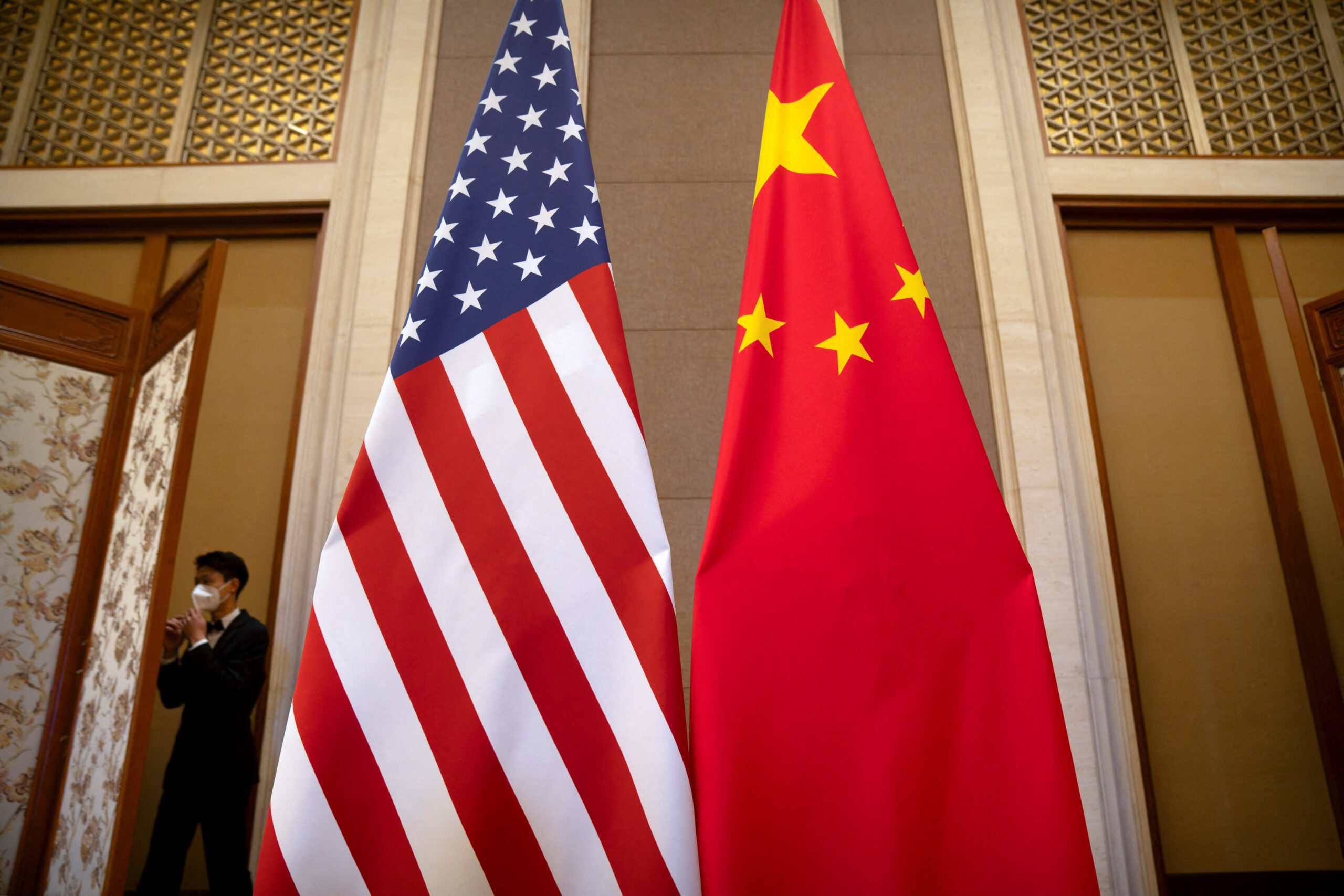
Dan Proft was joined by foreign policy expert and author Gordon Chang for a wide-ranging discussion on U.S.-China trade negotiations, the artificial intelligence arms race, and growing signs of political instability inside the Chinese Communist Party.
Chang began by assessing the state of U.S.-China trade talks, which recently concluded a round of discussions with the possibility of extending a tariff pause for another 90 days. He argued that, unlike past delays that benefited China, this one may actually favor the United States. Thanks to President Trump’s aggressive push to secure trade deals with key partners like the EU, China is becoming increasingly isolated on the global economic stage.
However, Chang criticized the Trump administration’s recent reversal allowing Nvidia and AMD to sell AI-related chips to China, calling it a mistake. He acknowledged the motivation—securing access to rare earth elements—but argued the U.S. still has greater leverage. “China needs our markets more than we need theirs,” he said. “These chips can help modernize their military, and we shouldn’t be helping them do that.”
As for the AI race itself, Chang was skeptical of China’s reported progress. He pointed out that China still relies heavily on American-made chips and that its flagship AI systems, like DeepSeek, lag behind Western counterparts. He cautioned Americans not to be intimidated by Chinese propaganda touting rapid AI development.
The conversation then turned to recent speculation about Chinese President Xi Jinping’s political standing. Proft referenced a report from the Jamestown Foundation suggesting rising instability and factional tensions within the Chinese government. Chang agreed with the general thesis, stating that signs point to Xi losing some control over the military and civilian leadership. The closed nature of the Chinese political system makes it difficult to confirm internal shifts, but a noticeable paralysis in policy decisions suggests significant behind-the-scenes turmoil.
“Chinese negotiators don’t know who will be in charge in a few months,” Chang explained, adding that uncertainty about the regime’s future is making them reluctant to strike meaningful deals.
Proft and Chang also took aim at Western institutions like the World Economic Forum, which recently praised China’s green energy efforts. Chang dismissed these claims, calling the environmental cost of manufacturing solar panels and wind turbines in China substantial. He argued that renewables remain impractical at scale and that the U.S. should be cautious about becoming more dependent on Chinese-made green technologies.
President Trump’s own comments this week echoed that skepticism. In a recent appearance with British Prime Minister Keir Starmer, Trump criticized wind turbines as costly, inefficient, and visually polluting, reinforcing his administration’s unwillingness to subsidize such technologies.
Wrapping up the segment, Chang reiterated that the U.S. currently holds the advantage in its economic standoff with China, but cautioned against giving unnecessary concessions. He emphasized the importance of strategic patience and the need to avoid empowering a rival that is both militarily ambitious and politically unstable.
As both nations jockey for global dominance in the 21st century, Chang warned that the stakes remain high: “Whoever wins the AI race, wins the future.”