




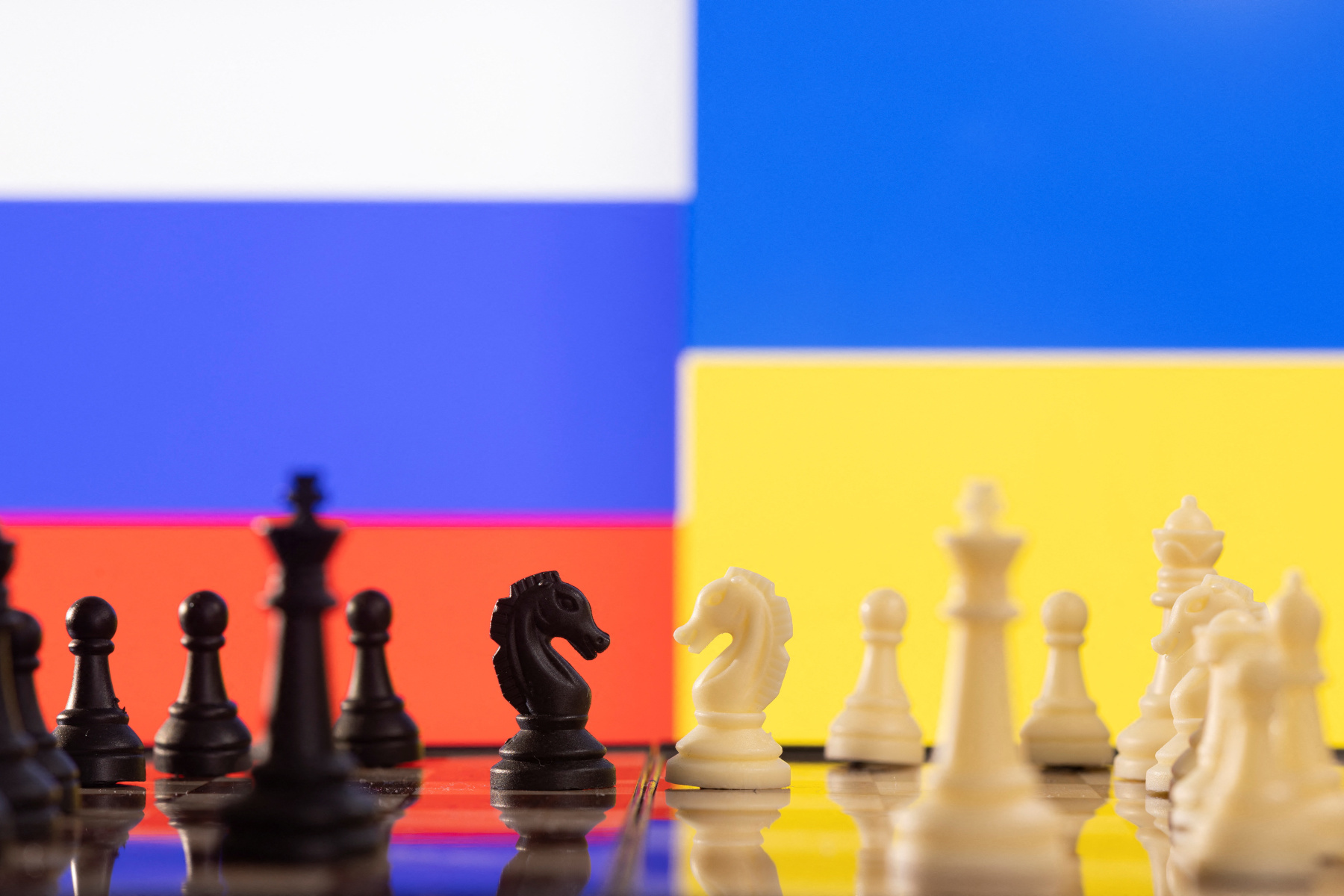
Former Deputy National Security Adviser KT McFarland joined Dan Proft on Chicago’s Morning Answer to discuss Europe’s role in the ongoing conflict between Russia and Ukraine and what former President Donald Trump’s approach could mean for the path forward.
McFarland criticized European leaders for condemning Moscow while continuing to import Russian energy. “Nothing like financing both sides of the fight,” she said, pointing out that nations like France and Germany are purchasing oil and gas that ultimately funds the Kremlin’s war effort. According to McFarland, this undermines sanctions and highlights the limits of NATO’s influence outside of U.S. commitments.
On the prospects for peace, McFarland argued that Russian President Vladimir Putin has little incentive to negotiate while making slow battlefield gains. She added that China benefits from the drawn-out conflict because it diverts global attention from Beijing’s ambitions. “Delay is what they want,” McFarland said, noting that Ukraine’s ability to hold out may be limited to just a few more months.
McFarland said Trump is trying to navigate a complex balancing act: ending the war while maintaining ties with both Ukraine and Russia to prevent Moscow from deepening its alliance with China. She likened Trump’s approach to “shuttle diplomacy,” referencing the role Henry Kissinger played in Middle East peace talks during the 1970s. Trump’s insistence on urgency, she argued, sets him apart from European leaders who favor longer timelines.
The conversation also touched on U.S. security guarantees for Ukraine. While Trump has ruled out American troops on the ground, McFarland suggested that economic and resource agreements—such as partnerships on rare earth minerals—act as implicit guarantees of U.S. involvement. She described this as both a deterrent to Russian escalation and a sign of America’s long-term stake in Ukraine’s future.
Looking ahead, McFarland said Putin’s goals may extend beyond territory. She argued that a successful, democratic Ukraine would present a dangerous example for Russians under his rule. “If it can happen in Kyiv, it can happen in Moscow,” she said. Ultimately, she believes the key to curbing Russia’s ambitions lies in cutting off its energy revenue—echoing the strategy that bankrupted the Soviet Union.