




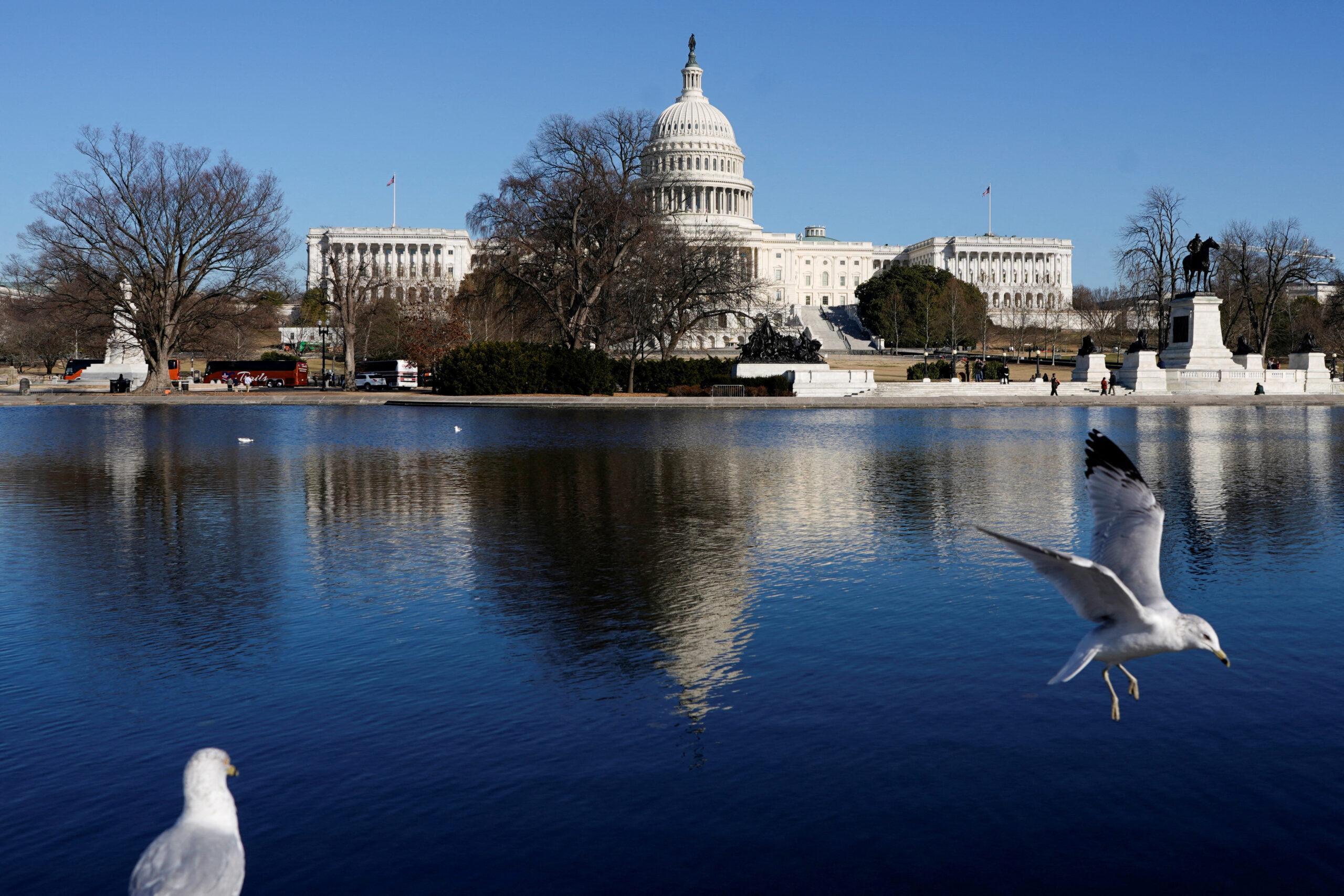
On Chicago’s Morning Answer, Dan Proft spoke with Wisconsin Senator Ron Johnson about the looming government shutdown, the ongoing battle over federal spending, and his proposal to eliminate shutdown brinkmanship altogether.
The Continuing Resolution Fight
At the center of the standoff is whether temporary extensions of federal funding should include additional Democratic priorities. Johnson criticized proposals that would permanently expand Obamacare subsidies, which he argued have fueled widespread fraud and skyrocketing costs. He said millions of people may be unknowingly signed up for policies, allowing insurers and brokers to collect billions in taxpayer-funded subsidies.
Speaker Mike Johnson has also rejected Democratic requests for new funding for public broadcasting and foreign aid, framing them as examples of wasteful spending that Republicans cannot support.
Johnson’s Proposal to End Shutdowns
Senator Johnson outlined his “Eliminate Shutdowns Act,” which would automatically continue government funding in two-week increments if new appropriations are not passed. He said this would remove the pressure lawmakers use to force rushed spending deals before holidays or recesses. Johnson expressed frustration that even some Republican appropriators voted against the bill, effectively preserving what he described as a broken process that fuels ballooning deficits.
Broader Fiscal Concerns
The senator connected the shutdown fight to the country’s long-term debt crisis. With $37 trillion in national debt and inflation devaluing the dollar, Johnson warned that deficits averaging $2.6 trillion annually over the next decade are unsustainable. He said both parties have failed to rein in spending because voters still expect government benefits without considering the costs.
Federal Workforce “Revolt”
Responding to reports that as many as 100,000 federal employees might resign during a shutdown, Johnson said such attrition would mirror what happens in the private sector when companies collapse. He argued that government workers should not be immune from economic realities, especially when working for what he described as a “bankrupt entity” dependent on taxpayer dollars.
The Bottom Line
Johnson concluded that Washington’s fiscal culture prioritizes dependency and short-term politics over structural reform. Without stronger public demand for spending restraint, he argued, the cycle of shutdown drama, bloated budgets, and mounting debt will continue.