




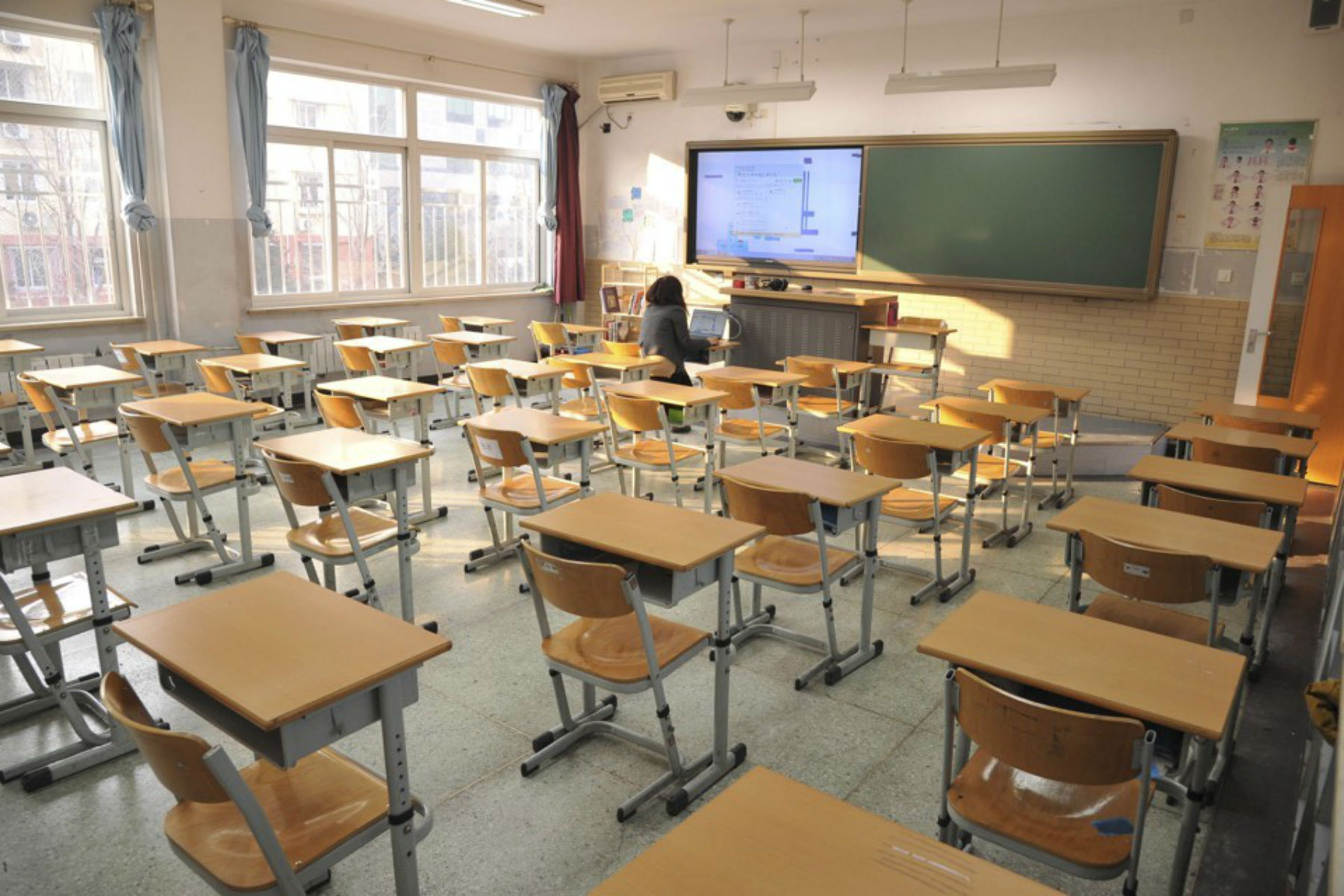
As public institutions attempt to move past the pandemic years, a growing number of parents, researchers, and educators are pushing to document exactly what happened—and why. On Chicago’s Morning Answer, filmmaker and activist Natalya Murakhver, co-founder of Restoring Childhood, discussed her new documentary 15 Days: The Real Story of America’s Pandemic School Closures. The film examines decisions that kept millions of children out of classrooms long after scientific evidence suggested schools could safely reopen.
Murakhver joined host Dan Proft to outline what she sees as a coordinated effort—driven largely by national teachers unions—to maintain school closures for political and financial purposes, even as other countries and states reopened without catastrophic consequences.
“Fifteen Days” That Became Years
The film’s title references the now-familiar phrase “15 days to slow the spread,” a slogan repeated across national media as schools first shut down in March 2020. Murakhver emphasized that despite early uncertainty, scientific knowledge accumulated quickly. European countries, especially in Scandinavia, reopened schools months earlier than many U.S. districts and did so without seeing increases in severe illness or excess mortality.
By the time the 2020–2021 school year began, she said, there was “no scientific justification” for continued closures. The Great Barrington Declaration—signed by thousands of medical experts from around the world—called for protecting the elderly while allowing children and young adults to resume normal life. But instead of following established pandemic-response guidelines, Murakhver argues, political and union pressure overwhelmed scientific judgment.
CDC–Teachers Union Coordination Under Scrutiny
A central focus of the film is the role teachers unions played in shaping federal guidelines. The documentary highlights reporting that CDC Director Rochelle Walensky consulted American Federation of Teachers president Randi Weingarten while drafting guidance on school reopening. Critics say that allowed union leaders—not scientists—to set national policy.
Murakhver noted that before joining the CDC, Walensky had publicly advocated for looser restrictions at her own children’s school district. Yet once in office, she adopted far more rigid positions. The film suggests this shift reflected political pressure rather than scientific reassessment.
Teachers, Parents, and Students as “Collateral Damage”
Co-producer Stephanie Edmonds, a former New York City teacher, provides an inside view of how school closures—and later vaccine mandates—affected educators. Edmonds lost her job after refusing the district’s vaccine requirement and has since left the public school system entirely.
Murakhver described what she sees as a union-driven messaging strategy that stoked fear among teachers and minority communities. “They told teachers they would die if they went back,” she said. “Then they told Black and brown parents their children would die.” That fear-based narrative, she argues, allowed unions to justify prolonged closures while securing billions in federal funding.
Despite claims that closures protected staff, Murakhver pointed to research showing teachers who returned to classrooms were healthier and happier than those isolated at home.
Long-Term Consequences Still Emerging
The extended closures, she said, brought “irreversible damage” to child development—lost literacy, delayed social skills, and declining mental health. Many school systems used federal COVID funds not to restore instruction but to expand ideological programming, lower academic standards, or hire staff lacking strong educational training.
Even today, Murakhver warned, the same dynamics persist. Some districts are experimenting with four-day school weeks, reducing instructional time, and promoting “social-emotional learning” frameworks that critics argue undermine resilience and academic rigor.
“We don’t need another pandemic to repeat these mistakes,” she said. “They’re already happening in smaller ways.”
Will School Systems Change Course?
Proft asked whether the film shows any sign that major urban districts or the unions that control them have reconsidered their approach. Murakhver’s answer was blunt: “No.”
She believes unions will respond the same way if another viral outbreak occurs—prioritizing political leverage and institutional gain over children’s needs. The rank-and-file, she added, often follow union leadership not out of deep ideological alignment but because they are fed coordinated messaging and fear.
A Record for the Future
Ultimately, 15 Days aims to document the decisions made between 2020 and 2021 before collective memory fades. Murakhver hopes that clear historical record will help parents, policymakers, and educators avoid repeating what she calls “a catastrophic moral and scientific failure.”
“We can’t simply move on,” she said. “If we don’t understand how it happened, it will happen again.”
Murakhver’s documentary is now screening nationwide, with additional events planned through Restoring Childhood.