




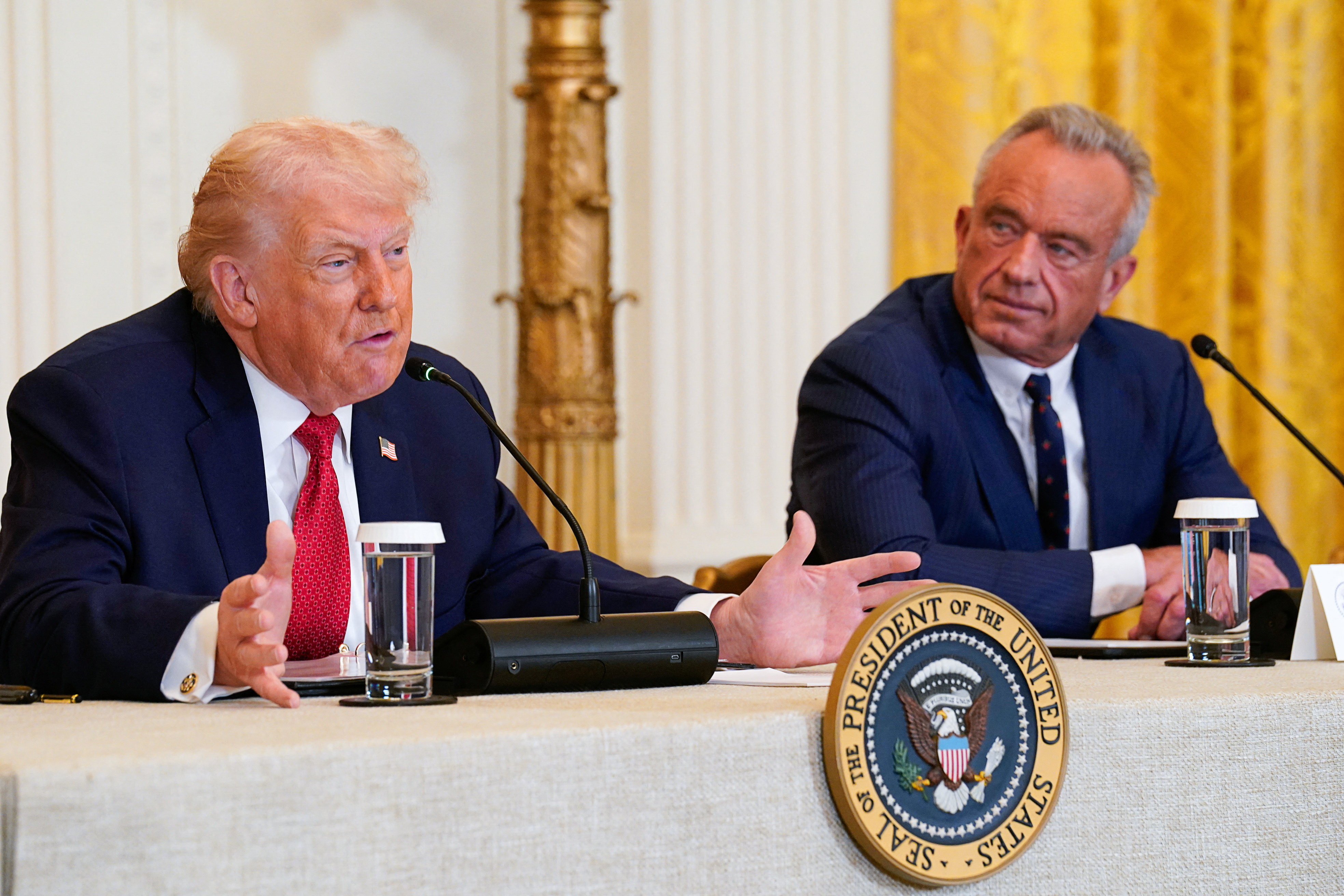
President Donald Trump this week unveiled what he has dubbed the “Great Health Care Plan,” a proposal that would shift government health care dollars directly to individuals, allowing them to purchase coverage on their own rather than through employer-based or insurer-driven systems. The announcement, delivered from the Oval Office, emphasized consumer choice, reduced influence for large insurers, and a return to market-based principles in health care.
While the proposal’s broad philosophy aligns with long-standing conservative critiques of the Affordable Care Act, health policy experts caution that the path from rhetoric to reality is steep. C. Steven Tucker, founder of Health Insurance Mentors, said the president’s outline reflects ideas that have circulated for years but face formidable obstacles in Congress, particularly the 60-vote threshold required to pass major health care legislation in the U.S. Senate.
Tucker noted that many of the issues now surfacing in the individual insurance market stem from the expiration of enhanced subsidies enacted under the Inflation Reduction Act, which ended on December 31. Their expiration has exposed long-standing structural problems within Obamacare, particularly the loss of cost-sharing reduction subsidies for silver-level plans that were discontinued by Congress in 2016. As a result, several states, including Illinois, have resorted to “silver loading,” a practice that dramatically increases premiums for silver plans to offset unfunded subsidies.
The outcome has been a sharp distortion in pricing. In some markets, silver plan premiums for 2026 have doubled or even tripled, while gold plans have paradoxically become cheaper than silver. Many consumers have responded by shifting to bronze plans with lower premiums but significantly higher deductibles, often exceeding $8,000 annually. Tucker said this shift masks the true impact of rising costs, as consumers may pay less upfront but face far higher out-of-pocket expenses when they actually use care.
Middle-income households, particularly those earning above 400 percent of the federal poverty level and therefore ineligible for subsidies, are bearing the brunt of the increases. According to Tucker, these consumers are seeing substantial premium hikes alongside higher deductibles, leaving them squeezed between rising costs and reduced coverage value. While enrollment declines have been smaller than some forecasts predicted, he said that stability has come largely through downgrades in coverage rather than genuine affordability.
Compounding the problem in Illinois is the state’s transition to its own health insurance exchange platform, which has replaced the federal Healthcare.gov system. Tucker said the new state-run site has experienced payment transfer failures, leaving some consumers uninsured despite having paid premiums months in advance. Clients who followed the rules and enrolled on time have found themselves without active coverage and few immediate remedies beyond waiting in lengthy support queues.
Trump’s proposal includes ideas such as greater price transparency, expanded use of health savings accounts, and restrictions on broker abuses uncovered through federal investigations. Many of those measures, Tucker said, are already being pursued through executive action or regulatory changes, but codifying them into law would again require congressional approval that appears unlikely in the near term.
As the administration promotes sweeping reform ahead of the midterm elections, the underlying realities of the insurance market remain complex and unsettled. For millions of Americans, particularly those in the middle of the income spectrum, rising premiums, higher deductibles, and administrative breakdowns are already shaping their health care decisions, regardless of whether broader legislative change ultimately materializes.