




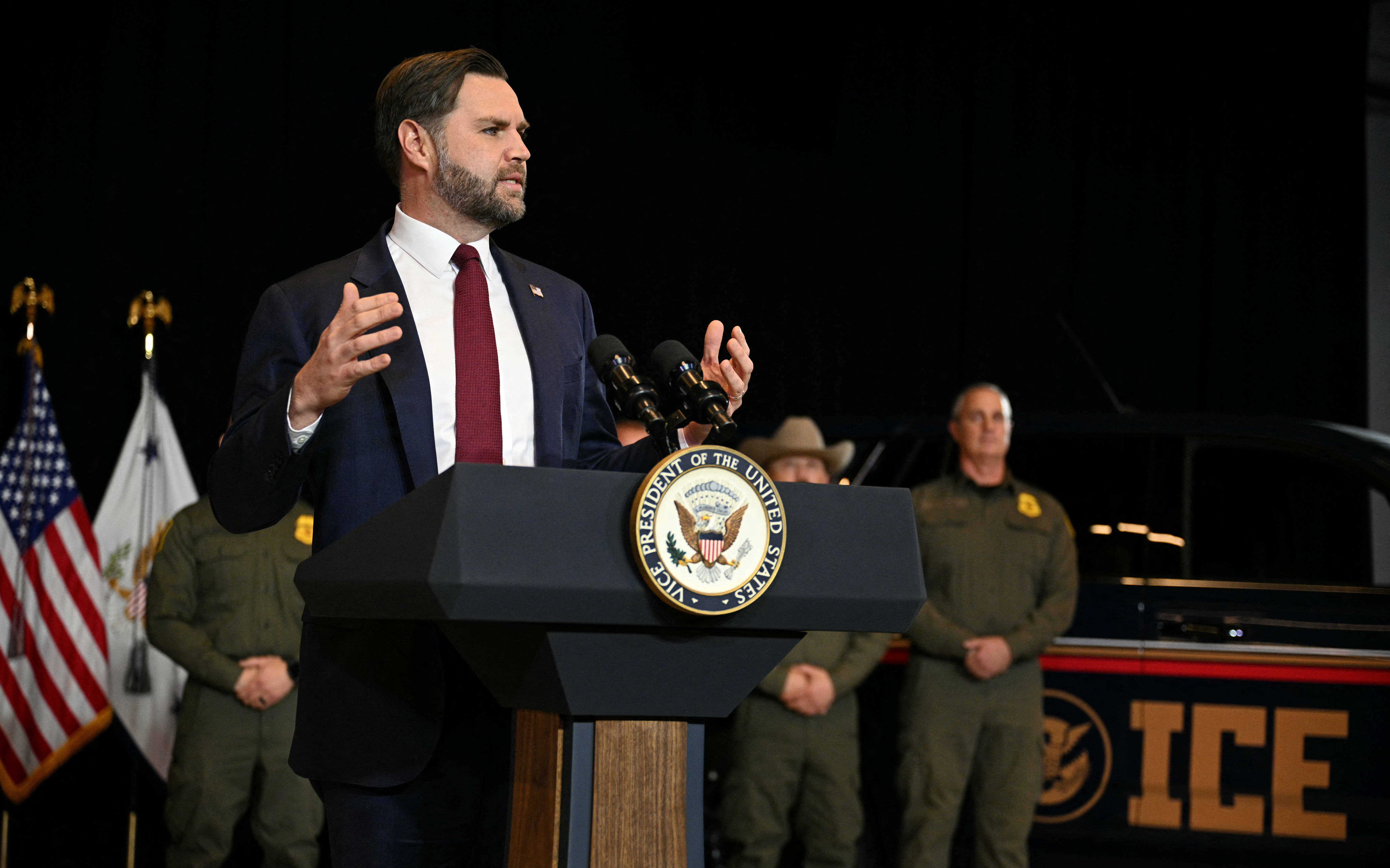
A visit to Minnesota by Vice President J.D. Vance has become a focal point in a broader national debate over immigration enforcement, protest activity, and political messaging, following days of heightened rhetoric and demonstrations aimed at federal law enforcement officers. The stop was framed by the administration as an effort to lower tensions, defend the work of immigration officers, and reassert the legal basis for current enforcement practices.
During remarks and a subsequent press availability, Vance emphasized that while peaceful protest is a protected right, harassment, doxxing, and assaults on law enforcement would not be tolerated and would be prosecuted. He also argued that much of the public criticism of immigration enforcement misrepresents the law, particularly around the use of administrative warrants and final orders of removal for individuals who have already gone through immigration court proceedings.
The legal context surrounding immigration enforcement has become a flashpoint in recent weeks, with activists and some elected officials alleging violations of the Fourth Amendment. Administration allies counter that Supreme Court precedent and federal statute allow immigration officers to act under administrative warrants in cases involving individuals with final deportation orders, a distinction they say is routinely ignored in public debate.
The Minnesota visit drew mixed reactions from state and local leaders, with some welcoming the call for de-escalation and others accusing the administration of inflaming tensions. According to national political reporter Salena Zito, the vice president’s measured tone stood in contrast to what she described as increasingly confrontational tactics by organized activist groups. Zito noted that many recent demonstrations appear to be centrally coordinated rather than spontaneous, a dynamic she said contributes to escalating conflict rather than dialogue.
Zito also observed that Vance’s refusal to engage hostile or leading questions during the press conference appeared to resonate with viewers seeking calm amid the noise. In her view, the approach highlighted a divide between federal officials attempting to reduce friction and local political figures who continue to amplify it.
The discussion also widened to include the political implications for Democrats, particularly as some party figures attempt to reposition themselves ahead of future elections. Zito argued that efforts by establishment Democrats to adopt populist rhetoric—often aimed at corporations or cultural institutions—reflect an acknowledgment that large segments of the electorate feel alienated by elite decision-makers across politics, media, and business.
That populist current, she suggested, is now evident in both major parties, with differing visions over whether it should be channeled toward restoring institutional trust or fueling further polarization. As immigration enforcement, protest movements, and campaign positioning continue to collide, the Minnesota episode underscored how questions of law, legitimacy, and political strategy are likely to remain central through the next election cycle.