




A growing divide within national security circles is emerging over the United States’ military campaign in Iran, with some analysts arguing that recent developments suggest the country’s ruling regime may be closer to collapse than widely understood.
Michael Rubin, a senior fellow at the American Enterprise Institute and director of policy analysis at the Middle East Forum, said the internal dynamics of Iran’s leadership and military structure are shifting rapidly following sustained U.S. and Israeli strikes on key targets.
Rubin’s assessment comes amid controversy surrounding the resignation of National Counterterrorism Center Director Joe Kent, who publicly criticized the U.S. approach to Iran and questioned whether the country posed an imminent threat to the United States.
Rubin dismissed Kent’s claims, arguing that they overlook Iran’s longstanding hostility toward the United States and its continued pursuit of nuclear capabilities.
“This idea that Iran is not a threat ignores decades of behavior,” Rubin said, pointing to repeated anti-American actions and the country’s enrichment of uranium beyond levels required for civilian use.
He said the focus on external influences, including Israel, can obscure the role of Iran’s own leadership in driving its policies.
“The Iranian regime has agency,” Rubin said. “It has its own strategy, and it’s been consistent for decades.”
Rubin also suggested that internal pressures within Iran may be reaching a critical point, particularly as senior figures within the regime are removed and replaced with less experienced leadership.
He said the elimination of key officials has weakened the regime’s ability to maintain control, potentially setting the stage for broader unrest.
“When those at the top are gone, the structure beneath them becomes much more fragile,” Rubin said.
According to Rubin, there are indications that segments of the Iranian population are increasingly willing to challenge the government, though he cautioned that such movements can develop unpredictably.
“Regime change rarely looks imminent until it happens,” he said.
At the same time, Rubin raised concerns about the messaging coming from Washington, particularly statements suggesting that U.S. involvement in the conflict may be limited in duration.
He warned that signaling a rapid withdrawal could embolden remaining elements of the regime to wait out the campaign rather than concede.
“If adversaries think you’re leaving soon, they adjust their behavior accordingly,” Rubin said.
The question of whether the United States should pursue regime change remains unresolved. While some policymakers have emphasized a limited mission focused on degrading Iran’s military capabilities, Rubin argued that failing to address the regime itself could lead to repeated conflicts.
“If the regime survives, it will rebuild,” he said.
Rubin pointed to historical examples in which sustained pressure contributed to political change, noting that outcomes can unfold quickly once a tipping point is reached.
However, he acknowledged the challenges associated with direct intervention, particularly the risks of deploying ground forces and becoming involved in long-term stabilization efforts.
Instead, he suggested that targeted operations, including strikes on remaining leadership figures and logistical infrastructure, could further weaken the regime without requiring a large-scale military presence.
Another critical factor, Rubin said, is the role of Iran’s Islamic Revolutionary Guard Corps, which serves as both a military force and an internal security apparatus.
He argued that the IRGC is not monolithic and that divisions within its ranks could be exploited to undermine the regime’s cohesion.
“Not everyone in the IRGC is ideologically committed,” Rubin said, adding that internal fractures could become more pronounced under sustained pressure.
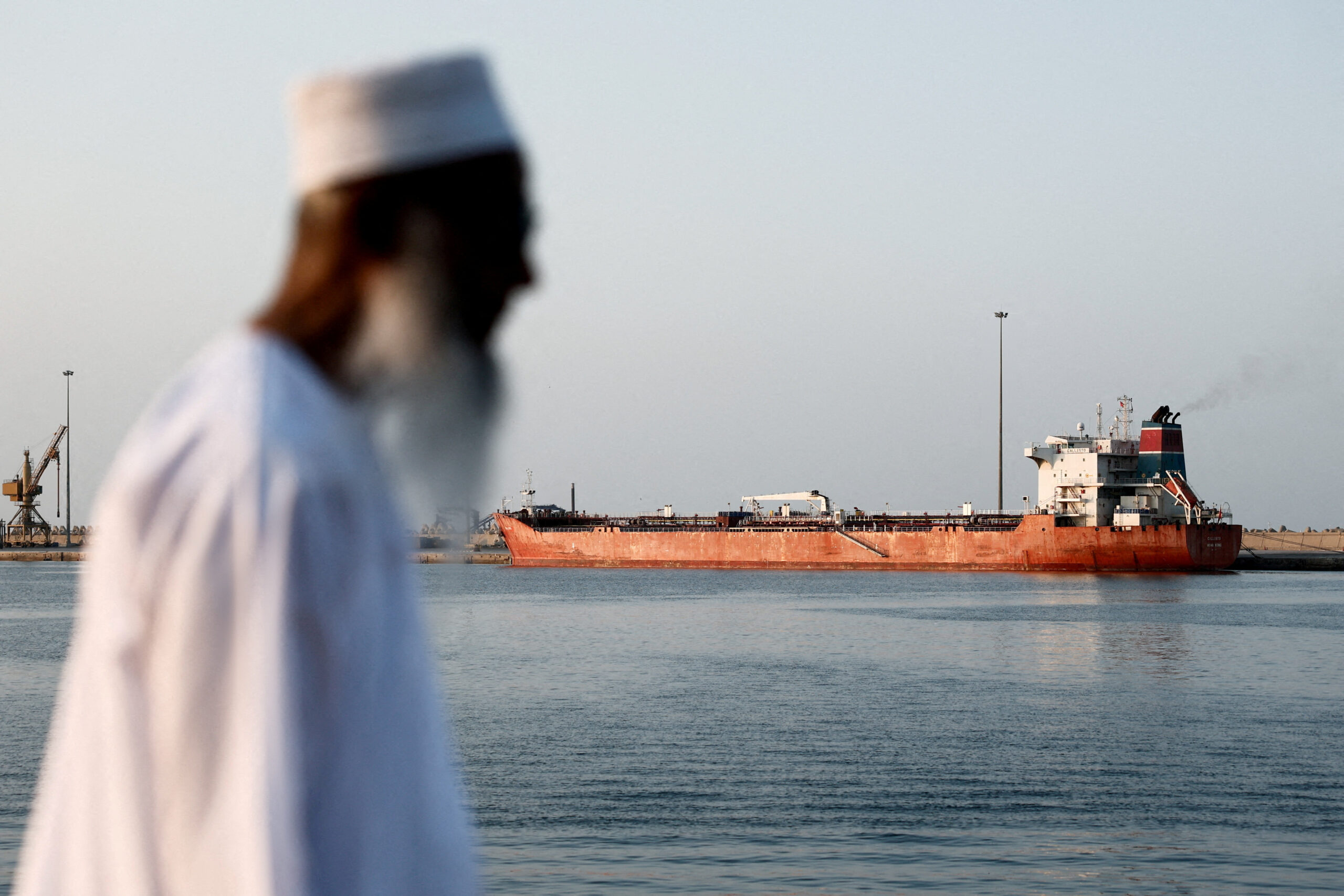
Rubin also addressed concerns about Iran’s ability to disrupt global energy markets through the Strait of Hormuz, suggesting that the threat may diminish as the country’s operational capabilities are degraded.
He said targeting fuel supplies and logistical networks used by Iranian forces could significantly limit their ability to carry out attacks on shipping.
“Once you take away their fuel and infrastructure, their capacity drops quickly,” Rubin said.
As the conflict continues, the administration faces decisions about how to define success and whether to expand or conclude its operations.
Rubin warned that a partial approach could leave the underlying threat unresolved.
“If you don’t finish the job, you risk facing the same situation again in a few years,” he said.
The debate reflects broader questions about the balance between military action and long-term strategy, as policymakers weigh immediate gains against the potential consequences of leaving key objectives unmet.