




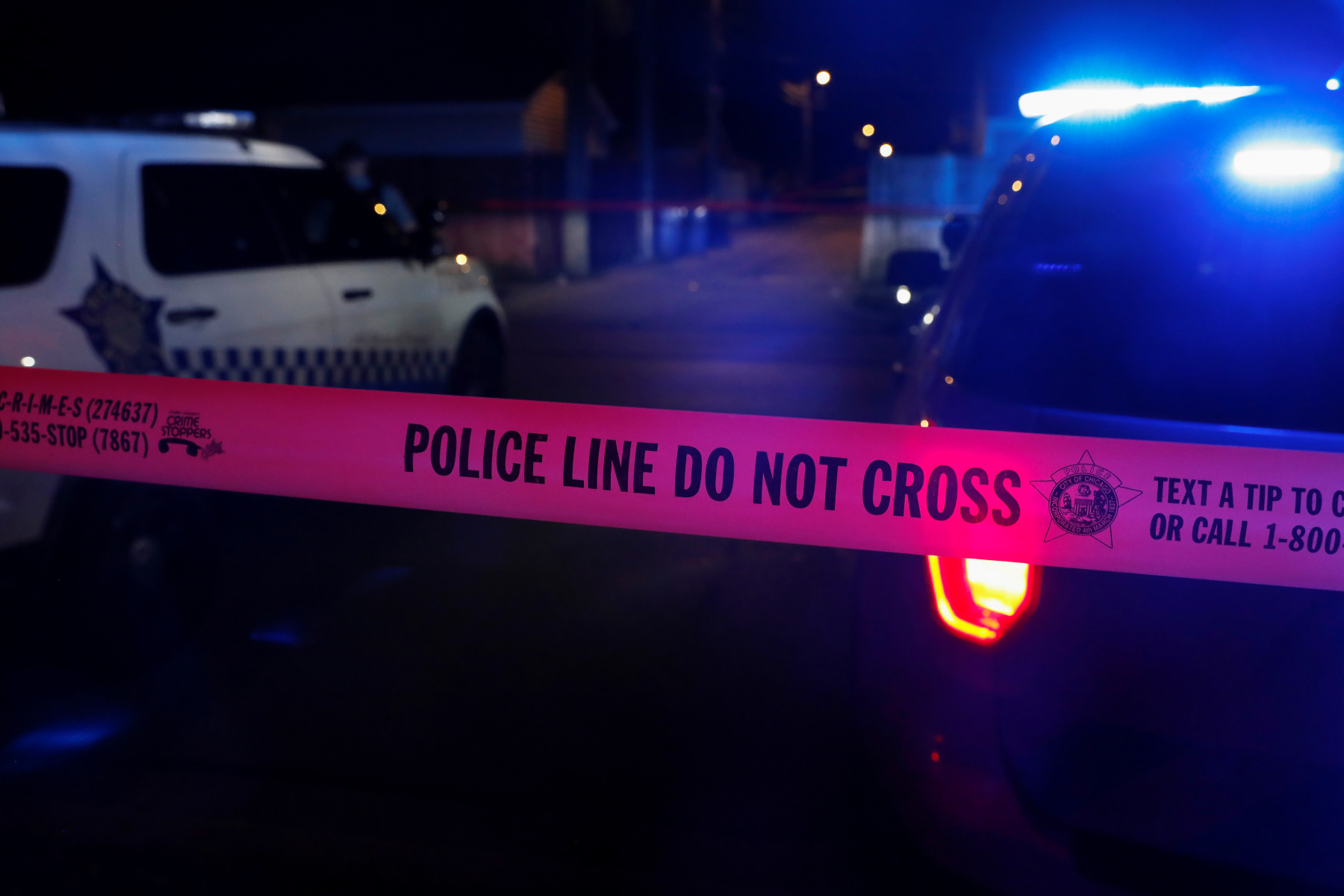
The arrest of a 25-year-old Venezuelan national in connection with the shooting death of 18-year-old Loyola University Chicago freshman Sheridan Gorman is drawing sharp criticism from law enforcement veterans who say the tragedy was entirely preventable. Retired Riverside Police Chief Thomas Weitzel joined Dan Proft on Chicago’s Morning Answer to break down the chain of policy failures that allowed the suspect to remain free on Chicago’s streets.
Gorman was shot early Thursday morning while out walking with friends near her campus. According to the Chicago Tribune, the suspect was identified shortly after the shooting through video footage, in part due to a distinct limp visible on surveillance cameras. He was subsequently arrested and an ICE detainer was placed on him, with federal immigration authorities urging state and local officials not to release him.
Weitzel, now a fellow with the Law Enforcement Action Partnership, pointed to a cascade of missed intervention points leading up to the killing. The suspect had previously been apprehended at the border and released into the country, later arrested in Chicago on a retail theft charge, and then freed again. When he failed to appear for his first court date, authorities sent a notice and rescheduled. When he missed that appearance as well, a warrant was issued — with a bond amount of just fifty dollars.
Proft pushed back on characterizing the outcome as a system failure, arguing instead that Chicago’s sanctuary policies, no-cash bail framework, and the broader political apparatus supporting them are functioning precisely as their architects intended. Weitzel largely agreed, noting that had local authorities honored the ICE detainer placed on the suspect following his retail theft arrest, he would have been returned to federal custody and deported before Gorman ever crossed his path.
Both men directed pointed criticism at Illinois lawmakers who, even as this case unfolds, are advancing legislation that would ban law enforcement from using facial recognition technology statewide — the same category of technology that helped investigators identify the suspect in Gorman’s murder within minutes of the shooting. Weitzel also highlighted pending legislation that would prohibit local police from cooperating with ICE agents in Illinois.
The conversation broadened into a wider critique of Chicago’s approach to public safety, including the city’s much-publicized violence interrupters program. Weitzel called the initiative a job creation program with no meaningful oversight, no quality standards, and no measurable outcomes, a view echoed by a recent investigation in The Free Press which found that a growing number of city officials and donors have reached similar conclusions after roughly a billion dollars in spending.
Proft reserved some of his sharpest words for media outlets that initially described Gorman’s death as a wrong-place-wrong-time incident, a framing her family publicly rejected. He argued that her killing represents an opportunity for institutional voices in law enforcement to speak plainly to the public about what these policies cost in human terms, and that op-eds and social media posts are insufficient to the scale of the moment. Weitzel noted that elected sheriffs enjoy more freedom to speak out than appointed police chiefs, who typically face pressure from mayors and city councils to stay silent on politically sensitive matters.
Gorman’s family has said she was exactly where an 18-year-old freshman is supposed to be — at the lakefront with her friends, hoping to catch a glimpse of the northern lights.