




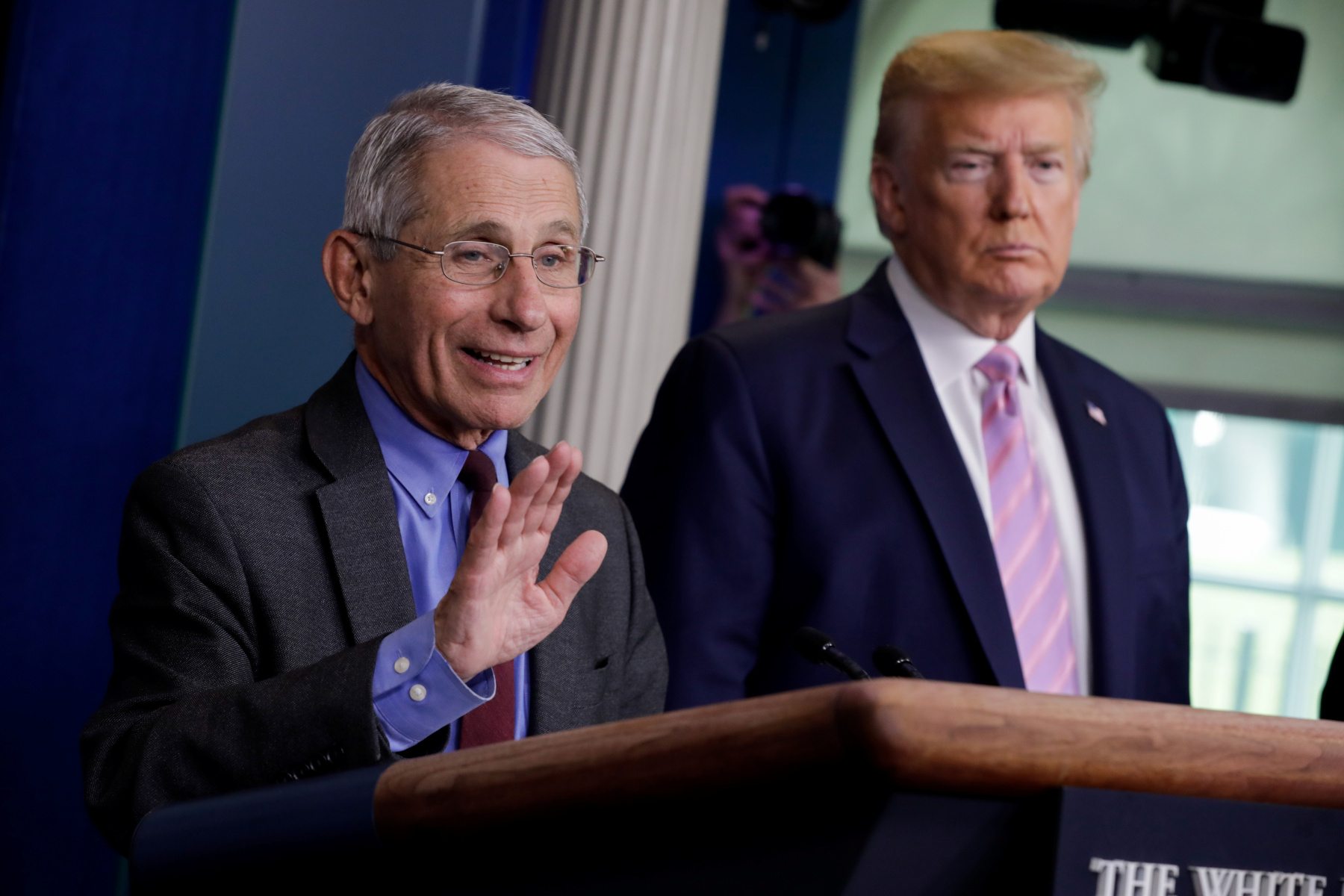
More than 1,100 pages of diary entries attributed to Dr. Anthony Fauci were released by Senate Homeland Security and Governmental Affairs Committee Chairman Rand Paul ahead of Fauci’s scheduled testimony before the panel. Dan Proft has some concerns raised by the documents, citing commentary from writer Victor Davis Hanson arguing the entries reveal a public health official who promoted shifting, sometimes contradictory COVID-era guidance on issues ranging from the virus’s origins to mask protocols and vaccine efficacy, while working to discredit credentialed critics such as Jay Bhattacharya and Martin Kulldorff.
Proft welcomed Phil Kerpen, president of American Commitment and principal at the Committee to Unleash Prosperity, who said he read through the full diary release. Kerpen said the most striking overall theme is the degree of personal vanity reflected throughout the entries, with Fauci repeatedly recording compliments and attention from celebrities and prominent media figures. Kerpen highlighted several specific entries he found notable, including one in which Fauci reportedly claimed personal credit for privately convincing New York City’s mayor and California’s governor to close schools, despite publicly stating at the time that such decisions were made independently by local officials. Kerpen also pointed to an early diary entry in which Fauci acknowledged widespread skepticism that contact tracing was effective, despite continuing to publicly recommend it for an extended period afterward.
Kerpen also discussed an entry describing a conversation between Fauci and Dr. Deborah Birx regarding early observations that COVID case trends appeared to rise and fall independent of lockdown measures, noting that despite this documented uncertainty, neither official expressed public doubt about the effectiveness of lockdown policy in the years that followed. Kerpen said the diary also describes friction between Fauci and Florida Governor Ron DeSantis, characterizing the diary’s framing as centered more on personal relations than substantive public health disagreements, and noted diary entries describing close relationships with then-Vice President Mike Pence’s office in contrast to friction with other administration officials involved in managing Fauci’s media appearances.
Much of the conversation focused on a diary entry describing a reported conversation in which President Trump, in a heated exchange relayed to Fauci by Birx, blamed the two officials for economic damage caused by pandemic restrictions. Kerpen argued the entry suggests Trump recognized problems with his health advisers relatively early in the pandemic, and said the broader diary reinforces a pattern in which decisions appear to have been shaped by concerns over personal reputation and public perception rather than a straightforward accounting of scientific evidence. Kerpen also referenced diary entries describing Fauci taking credit for encouraging the extension of the original 15-day lockdown period based on modeling that Kerpen characterized as significantly overstating the virus’s likely spread.
Kerpen closed by criticizing television journalists he said maintained close personal relationships with Fauci throughout the pandemic while publicly covering the administration’s handling of the outbreak, arguing that such relationships deserve similar scrutiny to the one Fauci is expected to face during his Senate testimony.