




In a wide-ranging conversation on Chicago’s Morning Answer, host Dan Proft and Copenhagen Consensus president Bjorn Lomborg tackled a topic rapidly moving from the tech pages to the center of global politics: the staggering energy demands of artificial intelligence—and what that means for national competitiveness.
The discussion began with explosive projections that AI giants could soon consume more electricity than entire countries. Elon Musk recently claimed he sees a path to producing 300 gigawatts of power annually within eight years. Analysts warn that Europe’s energy-constrained decarbonization goals are already being outpaced by the raw power needs of the AI boom. Grid strain, once theoretical, is becoming visible.
Lomborg agreed that the running theme behind these headlines is more than hype. For decades, he said, wealthy nations pursued ambitious climate plans while underestimating a simple reality: modern economies run on cheap, reliable energy. AI data centers—“GPUs sweating like steel mills,” as one analyst put it—are jolting policymakers back to that fact.
But Lomborg cautioned against overstating AI’s role. The International Energy Agency estimates that only about 10 percent of the world’s coming electricity-demand surge will be attributable to AI. The bigger picture, he argued, is the longstanding global need for more dependable power, particularly in regions trying to escape poverty.
That tension was on display at a recent UN climate gathering in Brazil, where Nigeria’s representative bluntly warned that climate policies cannot trigger economic collapse or social instability. Lomborg said developing nations—along with major emitters like China—will continue prioritizing growth. China, he noted, burns more coal than the rest of the world combined while preaching net-zero deadlines to others.
Europe, meanwhile, is stumbling through the consequences of its own policies. Germany, once an industrial powerhouse, is now grappling with declining production, soaring welfare costs, and widespread municipal budget shortfalls. After years of aggressive climate targets, its electricity prices remain among the highest in the world, and the grid still depends heavily on neighboring Nordic hydropower to balance wind volatility.
Proft noted that in the United States, political winds may be shifting. New York Governor Kathy Hochul quietly approved a natural-gas pipeline despite environmental opposition, and Pennsylvania Governor Josh Shapiro withdrew his state from a regional cap-and-trade program. Lomborg said such moves reflect a growing awareness that ambitious climate promises tend to evaporate when real economic pain arrives.
He also argued that the trillions spent globally since the 2015 Paris Agreement have yielded no measurable change in the world’s decarbonization trajectory. Carbon intensity was declining before Paris, and it has continued declining at exactly the same rate since. Nations, he said, are simply not fixing the problem through grand targets and subsidies.
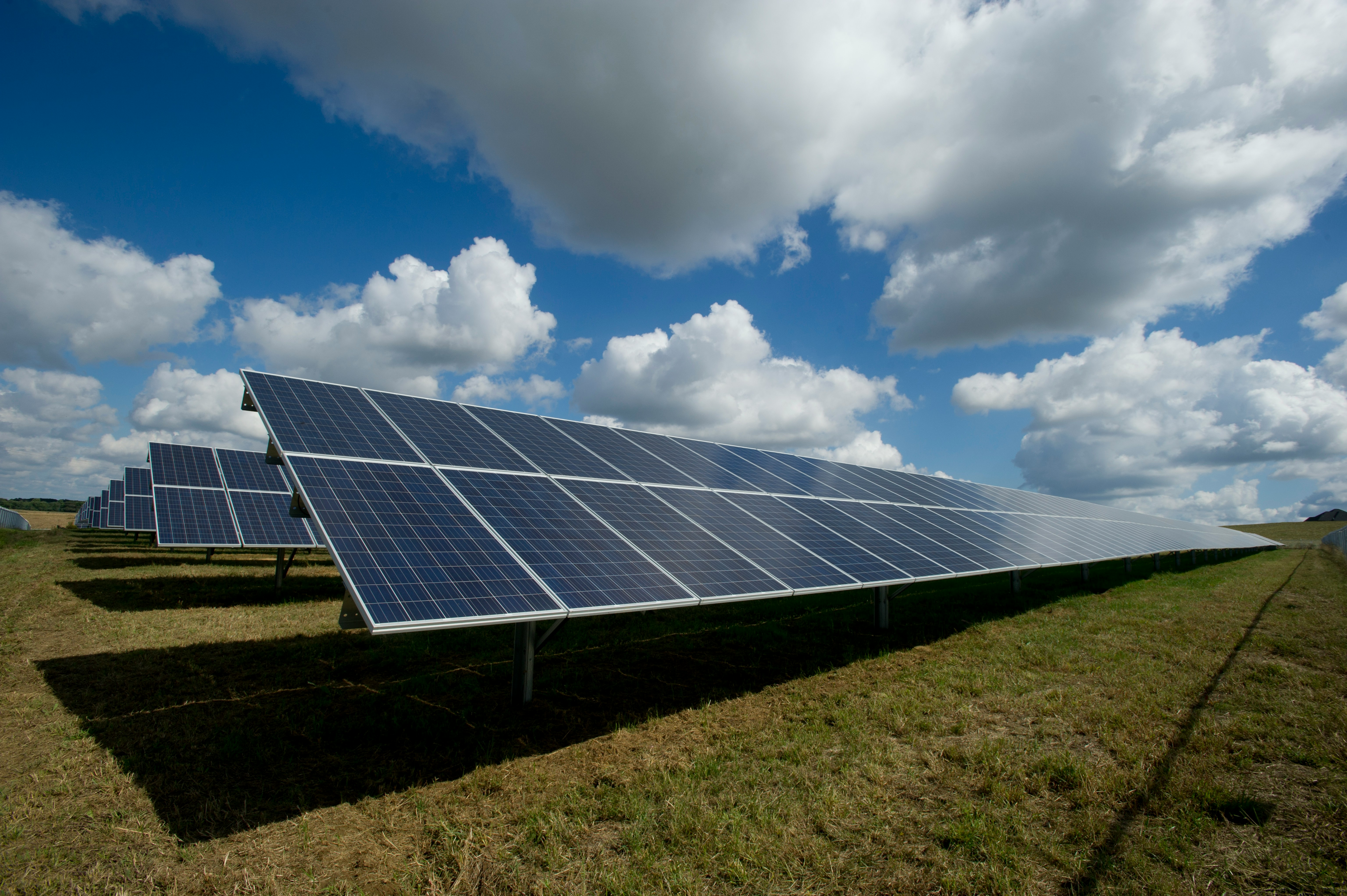
Lomborg pointed instead to innovation as the only durable solution—especially next-generation nuclear technology that could provide clean, reliable power at scale. Solar and wind, he said, are helpful supplemental sources but cannot replace baseline electricity. They are cheap when operating, but prohibitively expensive for a 24/7 society once storage and backup costs are factored in.
He pointed to Denmark, which gets roughly 70 percent of its electricity from wind, as an example. Even there, success depends on unique geography and vast hydro capacity in neighboring Norway and Sweden—conditions that cannot be replicated globally. Even then, Danes pay some of the highest electricity prices in the world.
Battery storage, often floated as the missing piece, is nowhere near sufficient. Lomborg cited new research showing that seasonal-scale battery storage in the U.S. would require investments equal to roughly one-third of the nation’s GDP each year.
In the end, both Proft and Lomborg concluded that no nation can power an AI-driven future without reliable, abundant energy. The countries that embrace that reality—through nuclear expansion, advanced fuels, or other scalable technologies—will hold a strategic advantage. Those that cling to ambitious but impractical climate targets may find themselves outsourcing both emissions and innovation.
As AI accelerates, the energy debate is no longer theoretical. It is becoming a defining geopolitical race—one that Lomborg argues will be won not through slogans, but through solutions that actually work.