




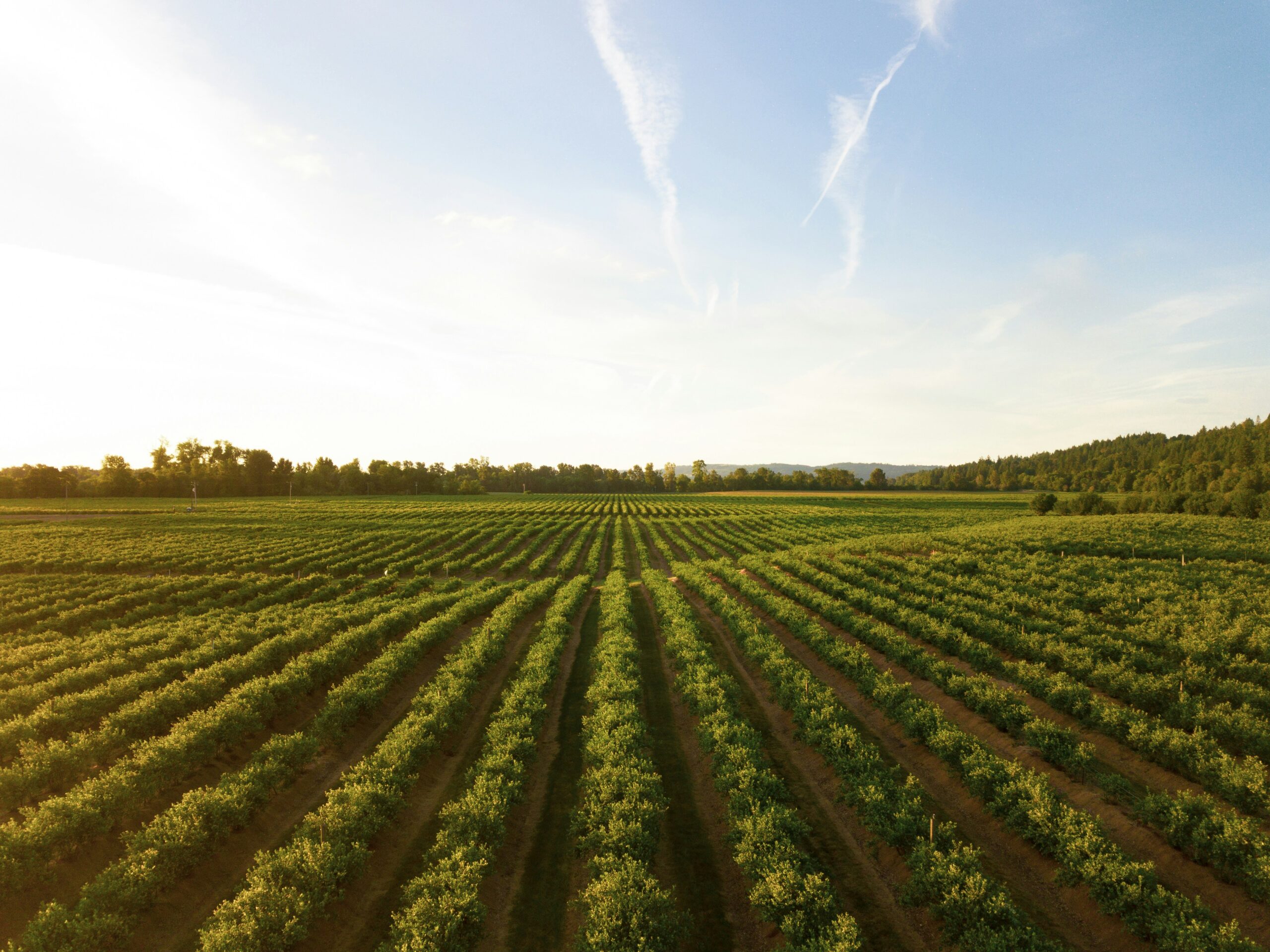
The Securing the Agriculture Workforce Act of 2026, legislation introduced by House Agriculture Committee Chairman Glenn Thompson would significantly overhaul the H-2A guest worker visa program for the first time since its creation in 1986. Dan Proft outlined key provisions of the bill, including expanded eligibility for year-round agricultural operations such as dairy and livestock farms, extended validity periods for labor certifications of up to three years, and a provision allowing undocumented immigrants already working in American agriculture to apply for legal H-2A status despite past immigration violations. Proft noted that President Trump has not yet taken a formal position on the legislation.
Proft welcomed Ammon Blair, a former U.S. Border Patrol agent, military veteran, and senior fellow at the Texas Public Policy Foundation, to discuss the bill’s implications. Blair explained that the roughly four hundred agricultural organizations supporting the legislation represent an industry that has become heavily consolidated and vertically integrated, leaving independent farmers and ranchers competing against cheap foreign imports for access to retail markets. He argued that this dynamic has pushed many operations toward relying on either costly H-2A visa labor or undocumented workers simply to remain financially viable, creating what he described as a structurally difficult situation rather than a simple policy failure.
Blair pointed to White Oak Pastures, a regenerative agriculture operation in Bluffton, Georgia, as an example of a farm that has built a self-contained supply chain, including its own processing facility, without relying on undocumented labor, and has become the largest employer in its county while operating entirely within existing immigration law. He argued that current federal policy structurally favors large, vertically integrated agribusiness interests over independent, decentralized farming operations, and said groups like his own are working with organizations including the American Raw Milk Producers Association to develop alternative policy solutions for federal agencies including the USDA and the Department of Homeland Security.
Blair characterized the push for expanded H-2A eligibility and amnesty-style provisions as a form of rent-seeking by politically influential agribusiness interests, arguing that such companies simultaneously benefit from tariff protections while pushing for effectively subsidized labor through loosened immigration enforcement. He said the public’s romanticized image of the American family farm often obscures the reality that much of the meat and poultry industry, including chicken, pork, and lamb production, has become dominated by a small number of vertically integrated corporations that leave independent farmers functioning more like contracted labor than true owners.
Discussing the broader effectiveness of agricultural tariffs, Blair said some tariffs, particularly those affecting beef imports, could meaningfully support domestic producers given that the American cattle supply currently sits at a fifty-year low. He suggested that opposition to such tariffs from major meatpacking companies serves as a useful indicator of which trade policies genuinely benefit domestic agricultural producers versus corporate bottom lines. However, Blair argued that the administration’s broader tariff strategy has not meaningfully improved market access for independent American farmers, suggesting that policymakers should focus more on removing domestic barriers preventing small producers from reaching major retailers rather than prioritizing export-oriented trade negotiations.
Blair traced the current dynamics back to the Reagan administration, which he said combined a major immigration amnesty legalizing millions of undocumented immigrants with the adoption of the consumer welfare doctrine in antitrust policy, an approach associated with legal scholar Robert Bork that prioritized low consumer prices over preserving competitive local markets. Blair argued this framework contributed to the decline of small-town retail and agricultural economies by allowing large retailers and cheap imports to outcompete local businesses, and said restoring rural economic vitality will require addressing these underlying structural policies rather than continuing to focus primarily on trade relationships with foreign countries.