




Former Ford and Chrysler employee Brian Pannebecker said workers across the Midwest are responding positively to signs of expanded domestic production and a tougher stance on foreign competition, particularly from China.
The conversation followed a high-profile visit by Donald Trump to a Ford plant in Detroit, where company leadership announced expanded operations and additional shifts to meet demand. Ford’s chairman emphasized growing market share, new hiring, and a close working relationship with the administration, pointing to a manufacturing environment increasingly favorable to domestic production.
Pannebecker, founder of Autoworkers for Trump, said the reaction among union members has been overwhelmingly supportive. He credited earlier renegotiation of the North American Free Trade Agreement into the USMCA as a turning point, arguing that decades of job losses followed the original NAFTA framework. According to Pannebecker, workers see tariffs and trade enforcement not as abstract policy debates but as practical tools to force companies to reinvest in American plants and reopen shuttered facilities across Michigan, Ohio, Indiana, and Illinois.
He also addressed tensions within organized labor over wages and long-term sustainability, pointing to recent layoffs in other unionized industries as a cautionary example. Pannebecker said workers understand there is a limit to what private companies can absorb and warned that pushing compensation demands too far risks repeating past bankruptcies that devastated both employers and retirees. He contrasted that reality with public-sector unions, which he said operate under a fundamentally different financial model backed by taxpayers.
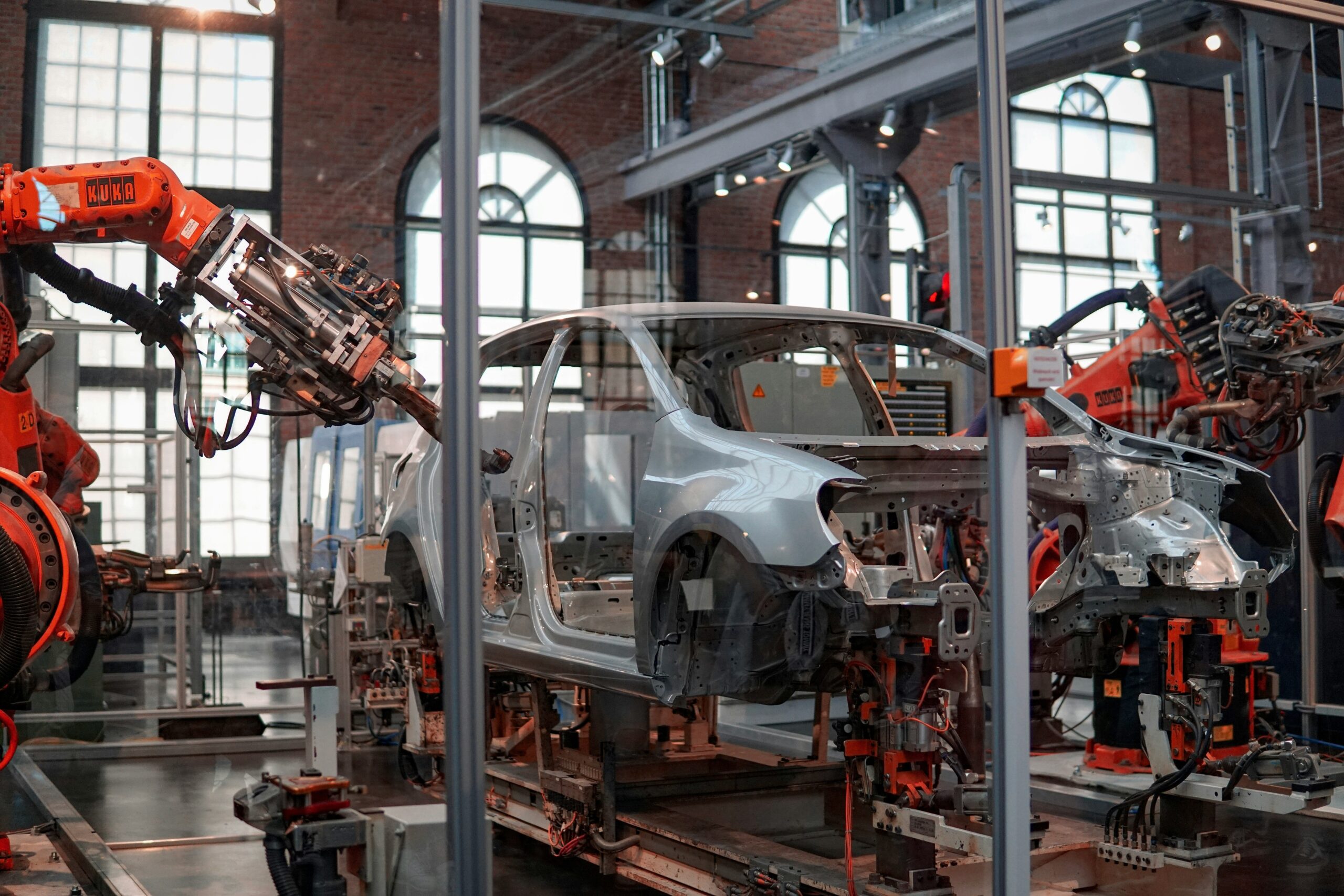
Looking ahead, Pannebecker acknowledged that automation, robotics, and artificial intelligence continue to reshape the auto industry, reducing headcounts even as productivity rises. He said autoworkers have been adapting to technological change since the 1990s and accept that fewer jobs may exist in the future. The central concern, he added, is ensuring that whatever jobs remain are located in the United States rather than overseas.
Throughout the discussion, Pannebecker framed the current moment as a recalibration rather than a return to the past, with workers weighing global competition, technological change, and trade policy in practical terms. He said the combination of domestic investment, trade enforcement, and a focus on American manufacturing has restored confidence among many autoworkers who felt left behind during decades of globalization.