




Guest host Chris Krok welcomed Scott McKay, publisher of The Hayride and senior editor at The American Spectator, to unpack what he calls the “utter rot” in America’s political and intelligence institutions. The discussion spanned from the lingering controversy over the Russia investigation to the unresolved questions surrounding Jeffrey Epstein’s client list, and ended with a grim reflection on the difficulty of holding the nation’s elites accountable.
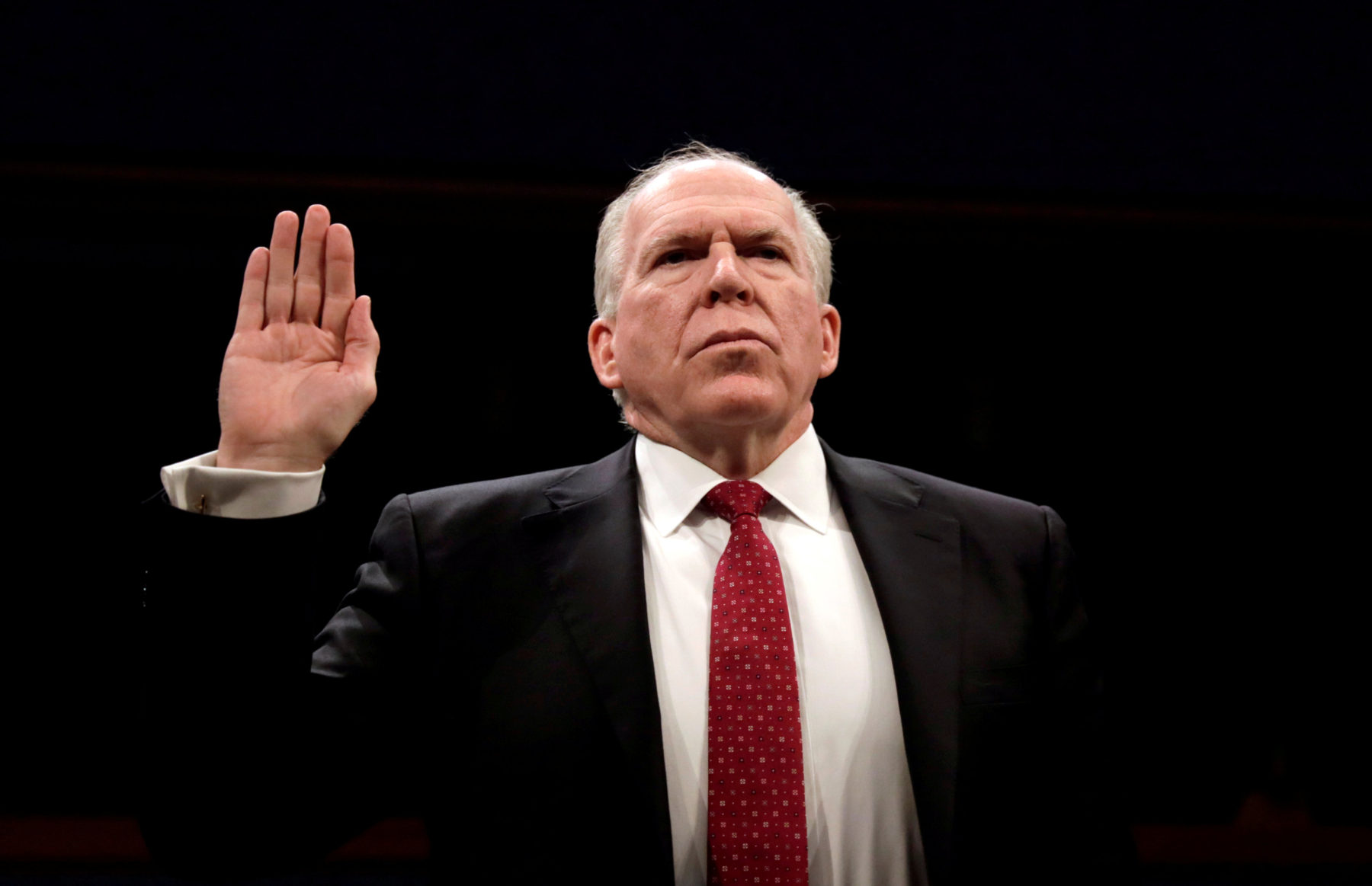
Kicking things off, Krok played a clip of former CIA Director John Brennan urging the public to “move on” from allegations about the 2016 election and Russian interference. McKay dismissed Brennan’s statements as either delusional or dishonest, suggesting that the former intelligence chief has long been part of what he described as a coordinated effort by the Clinton campaign and Obama-era officials to undermine Donald Trump’s candidacy. He ridiculed the idea that a few hundred thousand dollars in Facebook ads could swing a presidential election, calling it “ridiculous” and saying Brennan’s credibility has collapsed.
McKay raised a provocative counterpoint: if foreign interference from Russia in 2016 was seen as decisive, why is there no comparable outrage over Chinese interference in the 2020 election? He referenced reports of fake IDs, suspicious activities at the Chinese consulate in Houston, and allegations of Chinese involvement in the 2020 summer riots, asking why these concerns are dismissed while the Russia narrative dominated headlines for years.
The conversation then turned to the possibility of legal accountability for figures like Brennan. McKay expressed skepticism about any prosecution taking place in Washington, D.C., citing the city’s political makeup and past failures to secure convictions in cases related to the Russia investigation. He argued that any real accountability would require moving trials to jurisdictions like Northern Virginia, where a more balanced jury pool might be found.
Shifting gears, McKay discussed the Epstein case, referencing his own column, The Epstein Mess Was Always Going to End This Way, which ran that morning on The American Spectator. He voiced frustration with the apparent lack of progress in revealing Epstein’s full client list, blaming a mix of non-disclosure agreements and the murky overlap between law enforcement and intelligence agencies. McKay noted that victims have largely remained silent—likely due to fear, payments, or trauma—and said that without witnesses, prosecutors are left with a highly compromised evidence file.
He suggested that Epstein’s operation likely served the interests of multiple intelligence agencies, including Mossad and the CIA, adding that any serious investigation would risk exposing sensitive information far beyond the Epstein scandal itself. “It’s rotten all the way down,” McKay said, adding that he sees no clear way to untangle the mess given how deeply embedded these issues have become.
As the interview wrapped, McKay plugged a serialized release of his latest Mike Hullman novel, Blockbusters, a fictional take on a conservative takeover of Hollywood. The novel will be published in nine parts on The American Spectator starting this weekend.
Throughout the conversation, McKay painted a picture of political decay and institutional double standards—where elite figures escape consequences, public trust erodes, and justice often hinges not on right or wrong, but on jurisdiction and politics.