




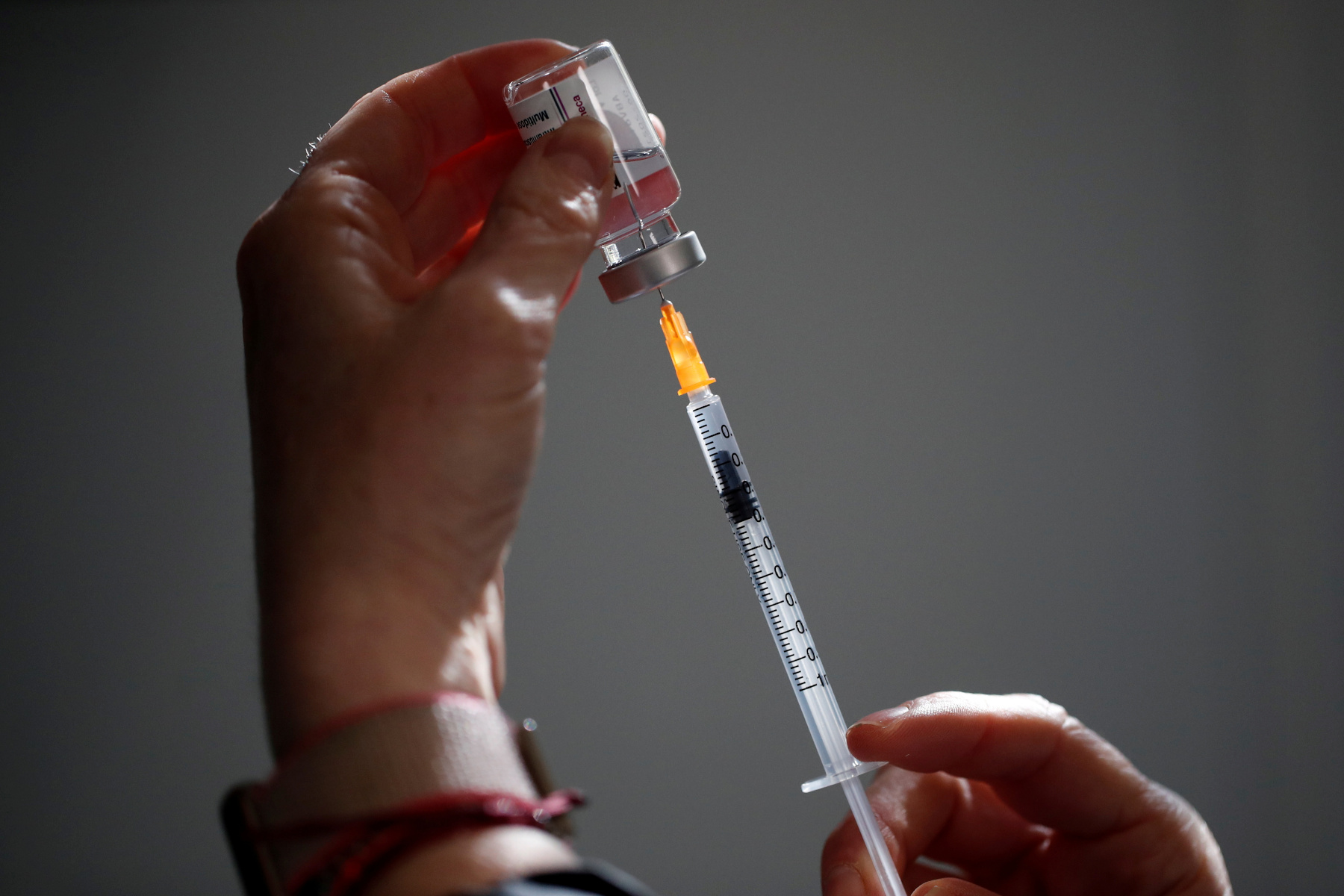
A story out of the New York theater world served as the starting point for a charged conversation on Chicago’s Morning Answer, where host Dan Proft revisited the social and professional fallout that befell performers who declined to get vaccinated during the height of COVID-19. The case involved a respected Broadway actress, praised for years as a rising star, whose refusal to comply with a venue’s vaccine mandate in 2021 led to sudden public shaming, lost jobs, and an almost instantaneous shift in how colleagues viewed her.
What began as a private and amicable exchange between the actress and her director turned into a Page Six headline. Online commentary followed, painting her as an anti-vaccine extremist. Friends distanced themselves. Work evaporated. Even years later, at only 39 or 40, she is still referred to in industry circles as someone whose career “used to be great.”
Proft framed the episode as a reminder of how harshly dissenters were treated during the pandemic—whether they were performers, service workers, or people with disabilities who struggled to communicate behind masks. He argued that millions of Americans who made a different health decision were publicly maligned and professionally punished by what he called “covidian” mobs.
Tech entrepreneur and vaccine-safety advocate Steve Kirsch joined the program to discuss the broader implications. Kirsch, who leads the Vaccine Safety Research Foundation and has become one of the most visible critics of COVID-19 vaccination policy, said the Broadway story was far from unique. He believes the same dynamics that drove public shaming in 2021 are still present, just less visible.
Kirsch described the mandates as forcing workers to take “poison,” arguing that emerging data shows the vaccines did not reduce mortality and, in his view, increased the risk of death. He cited record-level mortality data from the Czech Republic that he says demonstrates no survival difference between vaccinated and unvaccinated individuals once underlying frailty and mortality risk are equalized. According to Kirsch, age-based comparisons—common in epidemiological studies—are misleading because they fail to account for differences in baseline health between people who chose to get vaccinated and those who refused.
Proft pushed back on some of Kirsch’s language, acknowledging that hundreds of millions received the vaccine without dying and noting that prominent physicians still maintain the shots benefited older adults and those with significant comorbidities. Kirsch countered that those conclusions rely on flawed statistical assumptions and that no one has been able to falsify his analyses using what he considers the proper methodology.
The conversation turned to broader questions about excess mortality between 2021 and 2023. Proft referenced Yale epidemiologist Harvey Risch, who has raised concerns about more than 600,000 unexplained non-COVID excess deaths during that period. Kirsch argued that time-series analyses of mortality relative to vaccine administration point strongly toward the shots as a contributing factor, particularly in the weeks immediately following initial doses. He said long-term effects vary widely, with some individuals seemingly unaffected while others experience significant health consequences.
Kirsch also highlighted findings from a recent Rasmussen survey indicating that 10 percent of vaccine recipients reported serious side effects—a figure he called “insane” for a medical product meant for healthy individuals. He criticized the liability protections granted to vaccine manufacturers, arguing that it makes no sense that a class of products intended for preventive use carries near-total legal immunity.
The interview concluded with both men reflecting on the cultural climate that enabled public shaming, professional blacklisting, and political demagoguery during the pandemic. Proft emphasized that many officials and commentators who dismissed dissenters have yet to acknowledge their errors, even as new data and belated admissions have shifted the public-health consensus on issues ranging from school closures to natural immunity.
Kirsch warned that unless institutions reckon honestly with the mistakes of the COVID era, the same dynamics could repeat. Proft suggested that remembering individual cases—like the sidelined Broadway actress—helps keep attention on the human cost of policies implemented with little tolerance for nuance or disagreement.
As COVID’s legacy continues to unfold, the scientific, political, and cultural debates that shaped the last four years remain far from settled.