




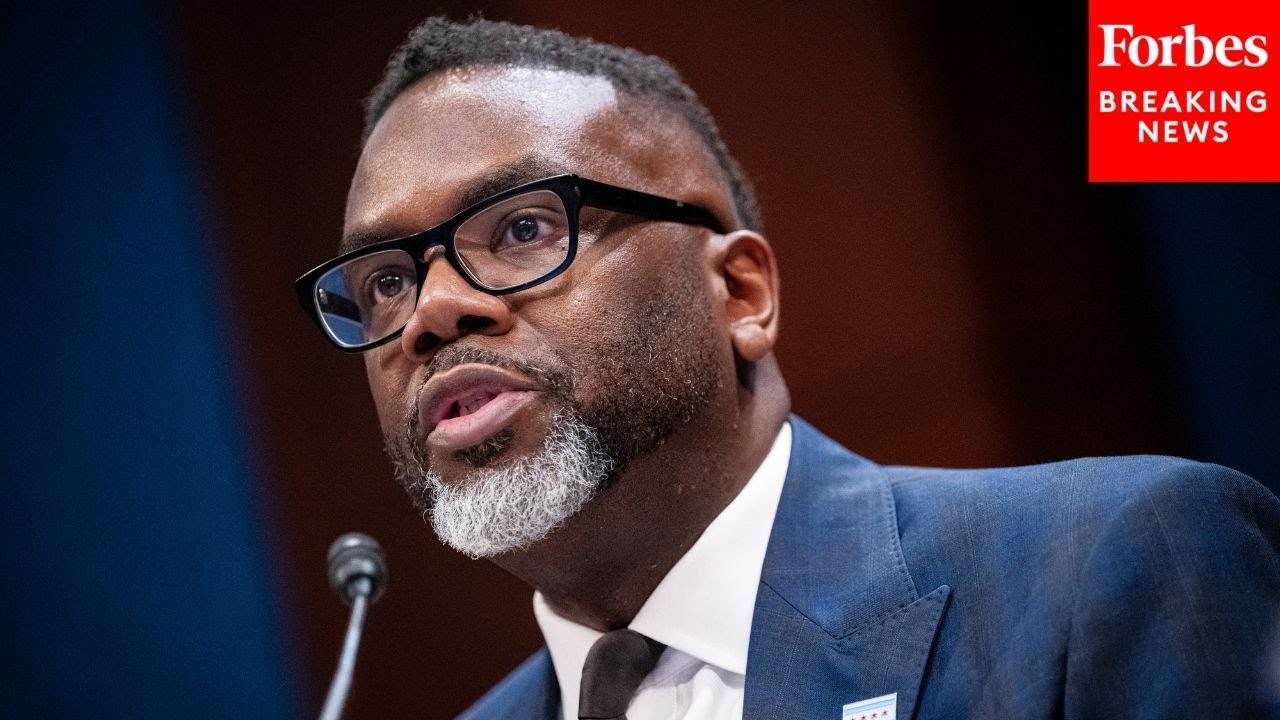
In a heated discussion on Chicago’s Morning Answer with Dan Proft, 15th Ward Alderman Ray Lopez didn’t hold back his criticism of Governor J.B. Pritzker and Mayor Brandon Johnson’s handling of immigration enforcement and public safety. The alderman joined Proft to dissect Pritzker’s recent claims that federal immigration enforcement—specifically the presence of ICE and border patrol agents—was part of a Trump-backed plan to “militarize” cities like Chicago ahead of the 2026 elections.
Pritzker’s theory, which likened federal immigration actions to authoritarian crackdowns, drew ridicule from Proft and Lopez alike. “It’s all boogeyman politics,” Proft said, framing the governor’s comments as a fear tactic meant to galvanize his base. Lopez agreed, arguing that both Pritzker and Johnson have stoked unnecessary tension between local communities and federal agents for political gain.
According to Lopez, the city’s leadership has created a “self-fulfilling prophecy” by simultaneously condemning federal immigration enforcement while refusing to cooperate with it. “They claim they want peaceful protest but yet are antagonizing protesters to resist, to fight back, to prepare for the second coming of the civil war,” Lopez said. He pointed to incidents of violence against ICE agents in Chicago—including reports of agents being rammed off the road or targeted in caravans—as evidence of escalating hostility fueled by political rhetoric.
Lopez accused both Pritzker and Johnson of “performative politics,” suggesting their refusal to coordinate with federal agencies has endangered law enforcement and immigrant communities alike. “All of these things we’ve put in motion ourselves because of the performative politics that goes on at both levels—one wants to be president, the other wants to get reelected,” Lopez said.
The alderman also highlighted what he sees as hypocrisy in Chicago’s “sanctuary city” policies, noting that federal dollars make up a substantial portion of the city’s budget. “The city of Chicago gets $3.5 billion of its $17 billion budget from our federal partners,” Lopez said, warning that Pritzker’s confrontational stance toward federal enforcement could jeopardize that funding.
In Lopez’s southwest-side ward—which includes neighborhoods like Brighton Park and Back of the Yards—residents are growing increasingly uneasy about the political tug-of-war between City Hall and Washington. “People are concerned that if you just let loose the National Guard for law enforcement purposes, where is it going to end?” he said. Lopez argued that local and federal officials should have found a way to collaborate, particularly on addressing criminal activity tied to cartels and human trafficking.
The conversation also turned to the recent controversy over a “stand down” order reportedly issued to Chicago police during protests involving ICE. Lopez said he doubts the claim that no order was given, suggesting instead that the directive came from “the fifth floor”—a reference to the mayor’s office. “Someone directed the chief of patrols to take that action,” Lopez said, calling for accountability inside the city’s chain of command.
As for Mayor Johnson’s mixed messages on law enforcement, Lopez said the contradictions speak for themselves. “For a mayor who says law enforcement is a sickness, he’s now saying he’ll fully prosecute ICE if they violate crimes here in the city of Chicago. He needs to pick a side,” Lopez said.
Proft closed the interview with a dose of irony, quipping that Johnson might “have CPD arrest ICE right before he defunds CPD—just to cover his bases.”
While Pritzker continues to frame Trump’s immigration policies as a threat to democracy, Lopez insists the real danger lies in the political theater coming from Illinois’ top leaders. In his view, Chicago’s leadership has traded governance for grandstanding—and it’s the city’s neighborhoods that are paying the price.