




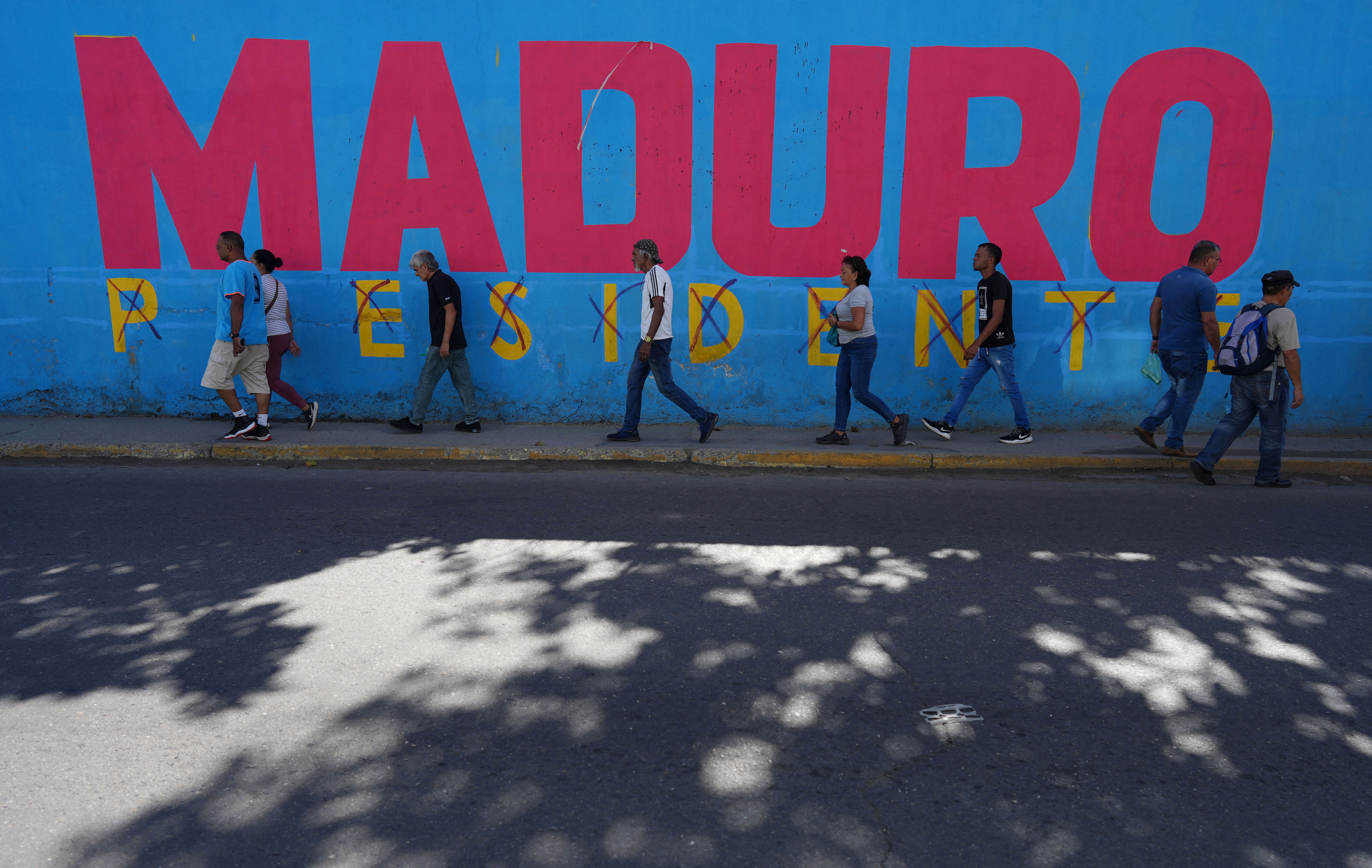
The arrest and transfer of Venezuelan leader Nicolás Maduro to face narcotics trafficking charges in New York has ignited a new wave of commentary in Washington and the media, much of it marked by sharp reversals from critics who once accused the United States of being insufficiently aggressive toward the Caracas regime. In recent days, those same voices have warned that the move threatens international order or could provoke violent retaliation from criminal gangs.
Foreign affairs analyst Daniel DePetris rejected those claims during a wide-ranging discussion on the implications of Maduro’s removal, calling the most dire predictions disconnected from reality. DePetris said fears that the United States has invited reprisals from Venezuelan gangs or destabilized global norms are overstated and often based on misunderstandings about the country’s internal dynamics.
DePetris addressed speculation that criminal groups such as Tren de Aragua could act as proxies for the former regime, noting that there is no credible evidence of a command relationship between Maduro’s government and the gang. While such groups engage in extortion, drug trafficking, and violence, he said they do not operate as state-directed actors and are unlikely to mount any meaningful response against the United States.
The conversation also turned to Venezuela’s uncertain political future. DePetris said the administration appears to be prioritizing stability over an immediate democratic transition, a choice that has frustrated some Venezuelan opposition figures. Rather than rapidly installing opposition leader María Corina Machado, the United States is working through existing power structures, a strategy DePetris said reflects lessons learned from past interventions in Iraq and Afghanistan. Without buy-in from Venezuela’s security services, he argued, any sudden transfer of power would be unsustainable.
That approach has resulted in an interim arrangement that leaves elements of the old regime in place under heavy pressure. DePetris described the strategy as one of coercion, using sanctions, indictments, and control over oil revenues to extract concessions while keeping future options open. He said this phased process could eventually set the conditions for elections, but only after the military and political apparatus are brought into alignment with a transition.
Oil policy has been a central point of controversy. Critics have accused Washington of seeking to seize Venezuelan oil, a claim DePetris said oversimplifies a highly unusual arrangement. Under the plan outlined by U.S. officials, Venezuelan oil would be sold at market rates, with proceeds held in U.S. accounts and earmarked for the benefit of the Venezuelan people. While details remain vague, DePetris said the framework reflects the extraordinary circumstances created by years of kleptocracy and economic collapse.
The discussion also touched on broader questions of American power and credibility, including renewed attention on Greenland following comments from President Trump about its strategic importance. DePetris said the administration’s primary objective is not military confrontation but negotiation, either through a purchase or expanded access agreements. He noted that the United States already maintains a military presence on the island and has multiple avenues to advance its interests without resorting to force.
As debate continues over Venezuela and other flashpoints, DePetris cautioned against treating every U.S. action as a precursor to global chaos. He said the removal of Maduro marks a significant shift but one that must be judged by results rather than speculative fears, particularly as the United States navigates the balance between pressure, pragmatism, and long-term regional stability.