




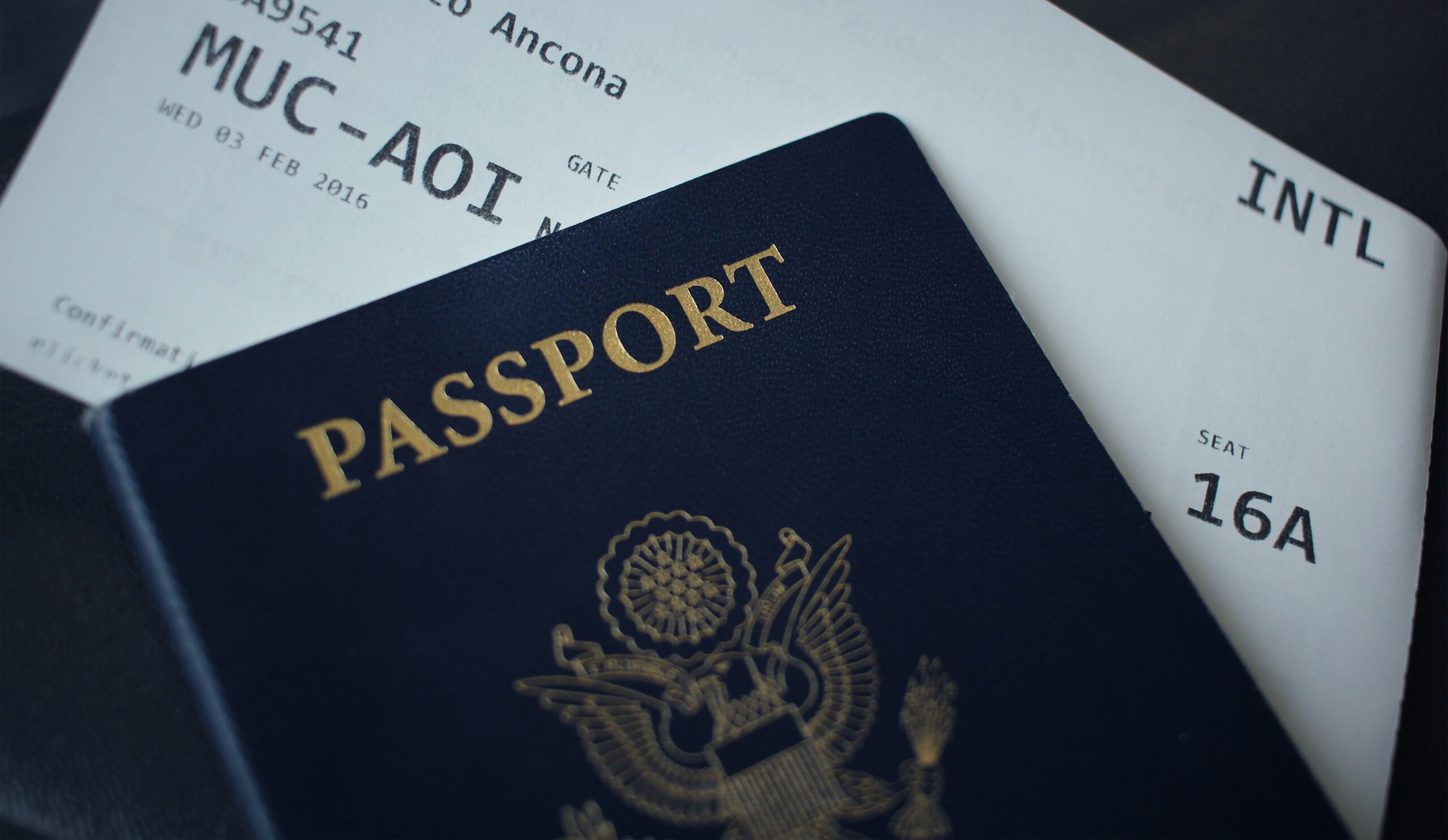
Renewed concerns about terrorism and immigration policy took center stage on Chicago’s Morning Answer as President Trump’s administration announced a sweeping travel ban and paused several immigration programs in response to recent violent attacks and intelligence warnings. The measures include a full suspension of entry from roughly a dozen countries, partial restrictions on several others, renewed vetting of Afghan arrivals, and a halt to the diversity visa lottery after it was revealed that a suspect in the Brown University and MIT killings had obtained permanent residency through the program.
The policy moves come as federal officials acknowledge a growing national security challenge. Director of National Intelligence Tulsi Gabbard recently testified that approximately 18,000 individuals currently in the United States have ties or past behaviors that raise national security concerns, including about 2,000 Afghans who entered the country during the chaotic withdrawal from Kabul. The administration argues that the scope of the problem reflects years of inadequate screening and border enforcement.
Dr. Zuhdi Jasser, president of the American Islamic Forum for Democracy and a former U.S. Navy lieutenant commander, warned that recent attacks in Australia, the United States, and Europe should not be viewed as isolated acts. He described them as manifestations of a broader global ideological movement hostile to liberal democracy, Israel, and the West. Jasser argued that defeating such movements requires naming and confronting the ideology itself rather than excusing violence as the product of marginalization or identity politics.
Jasser sharply criticized political and law enforcement leaders in so-called sanctuary jurisdictions who, in his view, prioritize symbolic gestures over public safety. He pointed to statements by Minneapolis officials emphasizing fear within immigrant communities while downplaying rising violence and fraud as emblematic of what he called the “bigotry of low expectations,” arguing that holding communities to different standards undermines both equality and trust in government.
At the core of the debate is vetting. Jasser said immigration decisions must be individualized, merit-based, and grounded in a clear expectation of assimilation to American civic values. He contended that mass admissions driven by quotas or political pressure, rather than careful screening, create vulnerabilities that extremists exploit. He also warned that failures in oversight extend beyond the border, citing audits revealing fraud, deceased sponsors, and even fictitious identities tied to parole and sponsorship programs under the previous administration.
The discussion also touched on accountability within the system. Jasser said legal status and citizenship are privileges that depend on honesty and adherence to the law, not entitlements immune from review. He argued that individuals who obtained status through fraud or who later demonstrate allegiance to hostile ideologies should face revocation, emphasizing that enforcing such standards protects both national security and the credibility of legal immigration.
As the administration moves forward with expanded travel restrictions and reexamination of immigration pathways, the conversation reflects a larger national reckoning. Supporters see the policies as a necessary reset after years of lax enforcement, while critics warn of overreach and stigmatization. For Jasser, the stakes are clear: without rigorous vetting, accountability, and a forthright confrontation with extremist ideology, he said, the United States risks eroding the very freedoms and cohesion that have defined it as a nation of laws and opportunity.