




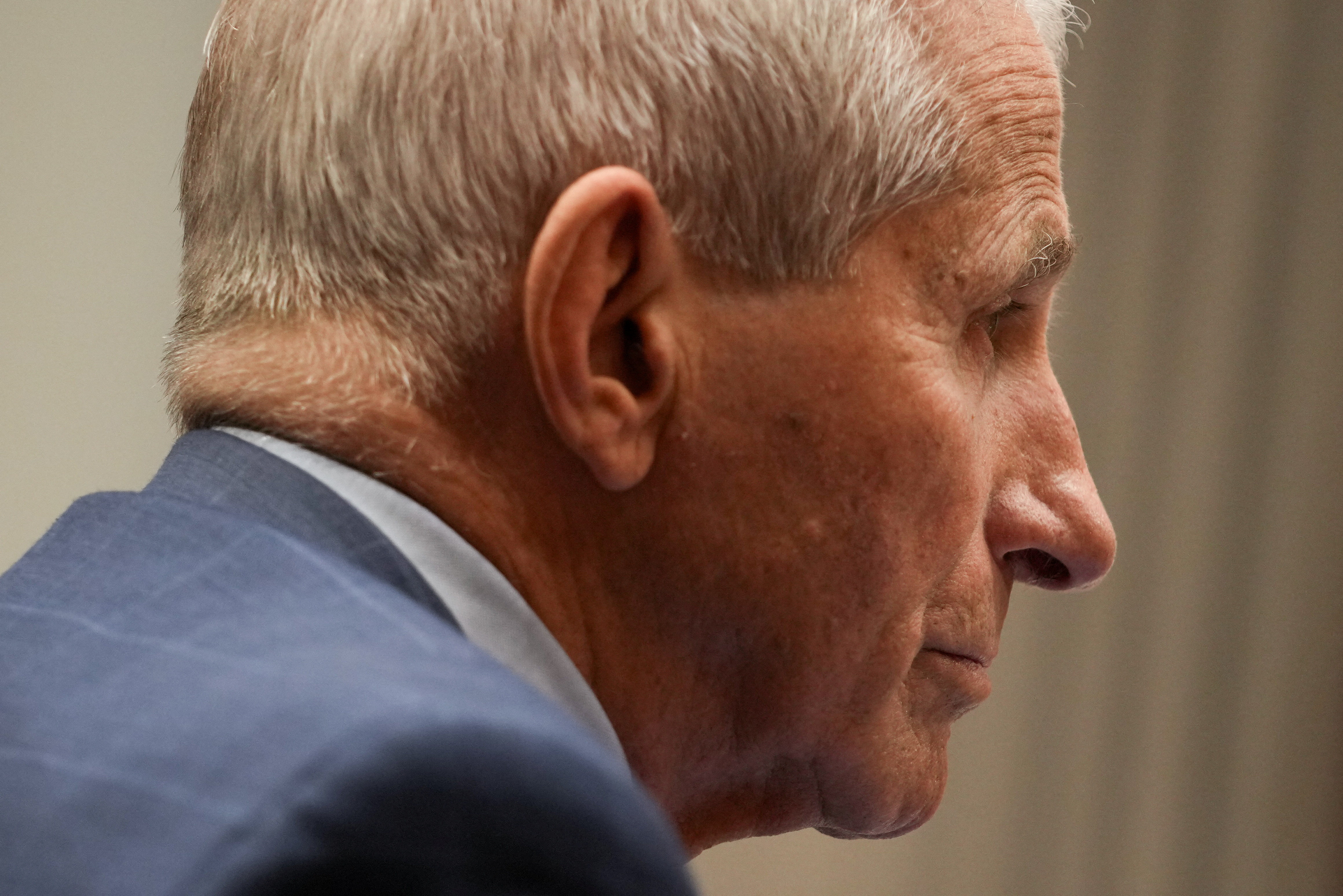
Senator Josh Hawley’s questioning of Dr. Anthony Fauci during the Senate Homeland Security and Governmental Affairs Committee hearing, caused Fauci invoked his Fifth Amendment right against self-incrimination in response to nearly every question posed to him. Dan Proft played extended audio of Hawley’s closing remarks, in which the Missouri senator argued Fauci’s motivations throughout the pandemic were driven less by public health considerations than by a pursuit of fame, financial reward, and personal validation, citing Fauci’s willingness to sit for a lifestyle magazine photo feature while declining to answer basic questions before Congress. Hawley characterized Fauci as having become, in his words, a narcissist and a megalomaniac who lied both to the American people and to the legislative body itself.
Proft welcomed Drew Holden, who writes the Substack newsletter Holden Court, to assess the significance of the hearing. Holden said he found Fauci’s decision to plead the Fifth somewhat surprising given his historically voluble public persona, and argued that Fauci’s visible smirk throughout the proceedings underscored a continued sense of self-assurance despite the scrutiny. Holden emphasized that the underlying substance of the allegations, that a senior federal health official may have helped direct taxpayer funding toward gain-of-function research tied to a laboratory in China potentially connected to the pandemic’s origin, remains a strikingly significant story regardless of any individual hearing’s outcome.
Holden and Proft discussed the broader reputational damage inflicted on Fauci, arguing that contrasting images from the pandemic, including a widely circulated InStyle magazine feature depicting Fauci relaxing poolside, alongside restrictions that prevented many Americans from visiting dying relatives or gathering for holidays, will likely remain a defining part of his public legacy. Holden argued the episode’s consequences extend beyond Fauci personally, suggesting the erosion of public trust in scientific and medical institutions resulting from his conduct may prove one of the pandemic’s most lasting effects, particularly among younger Americans now skeptical of government and scientific authority more broadly.
Discussing the prospects for further legal consequences, Proft noted that both Senator Hawley and Committee Chairman Rand Paul have argued Fauci cannot legitimately invoke Fifth Amendment protections given his blanket pardon covering the relevant period, with Paul indicating plans to pursue a contempt of Congress resolution referral to the Department of Justice. Holden said he sees a realistic possibility of legal consequences at the state level, given ongoing discussion from officials including Senator Tommy Tuberville and Florida’s attorney general regarding potential state-based investigations, and noted that questions remain about the legal durability of Fauci’s pardon given its untested scope.
Holden closed by criticizing sustained media coverage that he said uncritically amplified Fauci’s public statements throughout the pandemic, citing specific past headlines from major outlets that he argued reflected a broader, historically significant failure of journalistic scrutiny. He argued that legacy media credibility on the subject remains severely damaged, and expressed hope that continued public attention to the underlying allegations against Fauci will prevent the story from fading from public memory.