




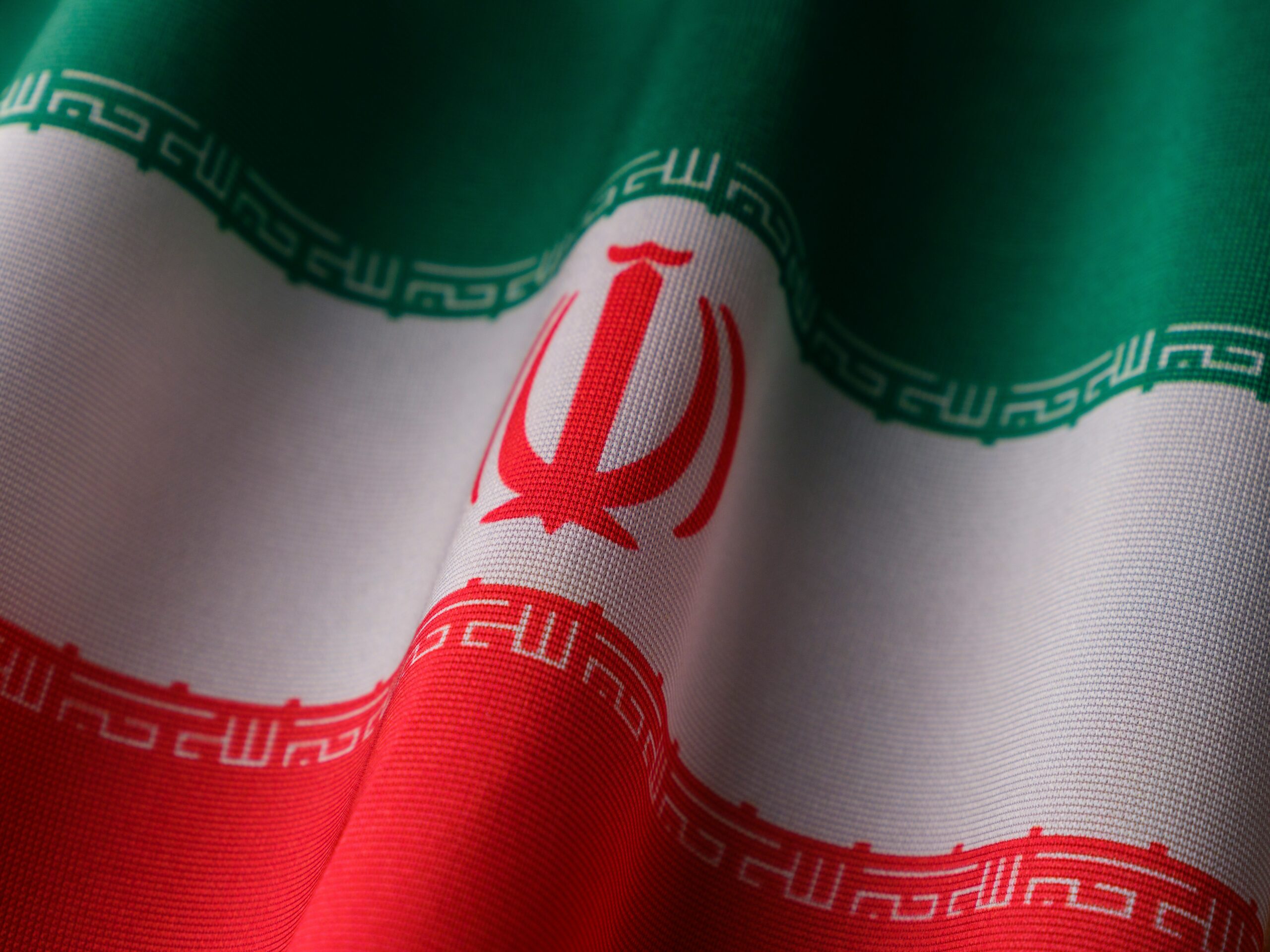
On Chicago’s Morning Answer, Ed Morrissey, managing editor of HotAir.com, joined Amy Jacobson and Jim Iuorio to discuss the fallout from recent U.S. military action targeting Iran’s nuclear infrastructure, potential retaliation risks, and the broader implications for American national security and political discourse.
Morrissey emphasized that concerns about cyberattacks and lone-wolf terrorist incidents are valid—but not new. Iran has a long history of attempting cyber intrusions and targeting American interests globally. While a recent State Department shelter-in-place advisory for U.S. personnel in Qatar raised eyebrows, Morrissey said the warning reflects intelligence indicating specific threats, rather than an entirely new escalation.
With Iran promising to respond to the strikes, Morrissey pointed to the Iranian Navy as a likely focus in the near term. He argued that despite the regime’s threats to shut down the Strait of Hormuz—a key global oil chokepoint—Iran’s naval forces are no match for the three U.S. carrier groups currently positioned in the region. Though Iran could theoretically mine or blockade the strait, Morrissey said their capacity to do so is limited and unlikely to last long.
“Iran’s military leadership is more loyal than competent,” Morrissey said, referencing recent blunders that have exposed Iran’s diminished war-fighting capabilities. He characterized the Islamic Republic as better at sponsoring terrorism than executing conventional warfare, noting that its surface fleet, mini-subs, and missile programs have shown glaring vulnerabilities in recent weeks.
Morrissey praised what he called the precision and timing of the Trump administration’s strike on Iranian nuclear sites, dubbing it a “well-calculated move” that followed Iran’s refusal to return to the negotiating table. He said the operation—nicknamed “Midnight Hammer” by some—was a clear message to Tehran and also a significant moment of military posturing intended to demonstrate U.S. resolve without resorting to long-term occupation or full-scale war.
Turning to domestic politics, Morrissey addressed calls from progressives, including Rep. Sean Casten and Rep. Alexandria Ocasio-Cortez, to impeach Trump over his overseas military interventions. He pointed out the inconsistency of that argument by citing precedent set during the Obama administration. Morrissey reminded listeners that in 2011, Obama’s legal team told Congress that sustained bombing in Libya didn’t require congressional authorization—a position largely unchallenged by Democrats at the time. He questioned why similar actions by Trump are now drawing impeachment threats.
“There’s no shame, and without shame, hypocrisy has no cost,” Morrissey said, lamenting what he sees as a growing disregard for consistency in political standards.
Morrissey also provided insight into the current status of the bombed Iranian nuclear site at Fordow. According to early assessments, while the site’s infrastructure has been heavily damaged—particularly its fragile centrifuge systems—there are still unanswered questions about the fate of any enriched uranium stored there. Israel has reportedly continued targeting access routes to prevent recovery or relocation of materials.
He concluded by previewing upcoming pieces at HotAir.com, including analysis of Iranian Foreign Minister Hossein Amir-Abdollahian’s underwhelming meeting with Russian President Vladimir Putin and a deeper dive into the International Atomic Energy Agency’s preliminary assessment of the Fordow strike.
As Iran weighs its next move and the world watches for signs of escalation, Morrissey made it clear: American resolve, military strength, and strategic clarity remain critical for deterring further aggression—and for keeping international shipping lanes open and secure.