




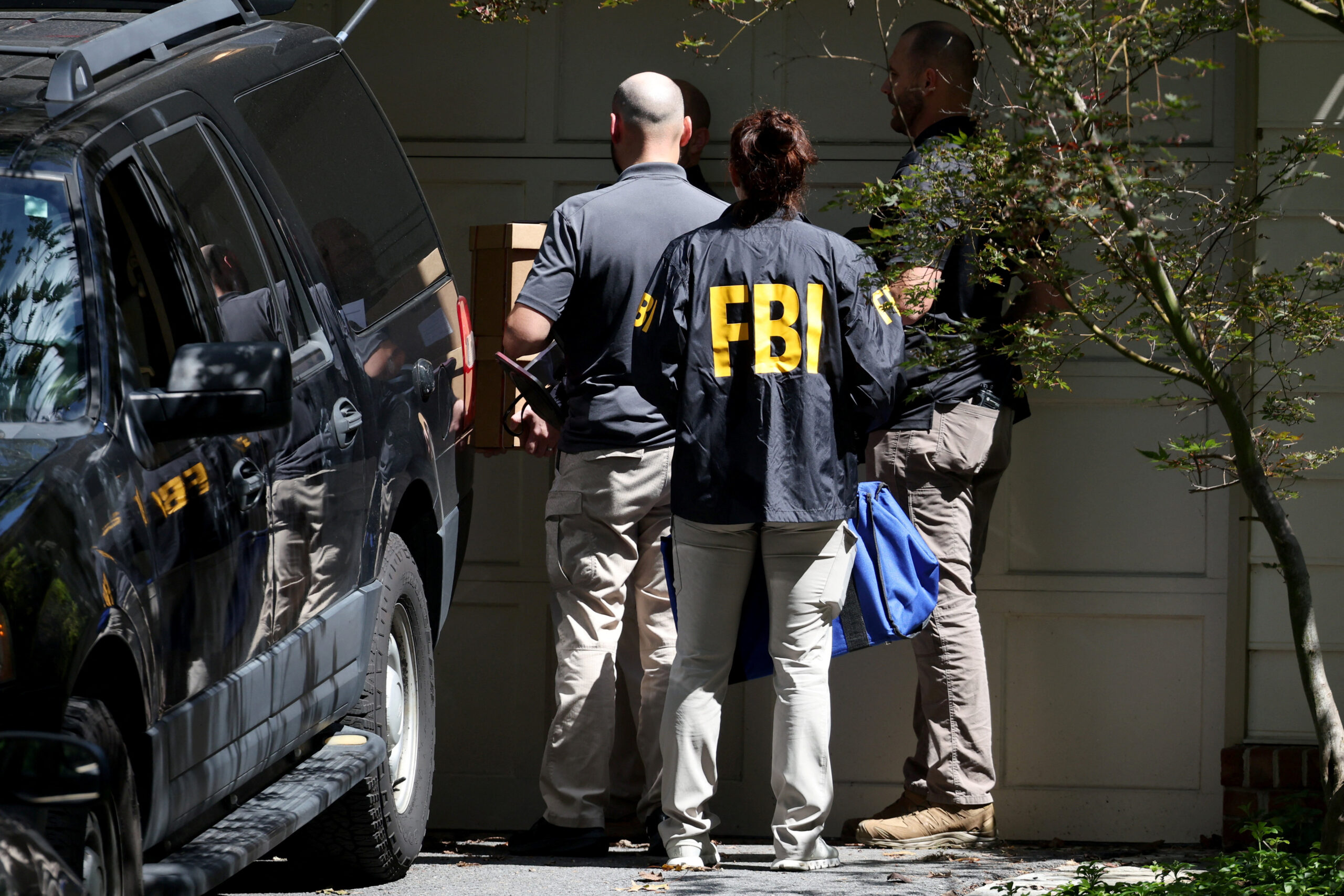
The Justice Department’s raid on the home of former National Security Adviser John Bolton has sparked sharp debate over motives, legality, and precedent. On Chicago’s Morning Answer, retired FBI supervisory special agent James Gagliano joined Dan Proft to analyze the situation and its broader implications.
The raid reportedly stems from concerns over classified information connected to Bolton’s 2020 book The Room Where It Happened or other disclosures. Gagliano pointed out that the warrant was signed by a federal judge, meaning prosecutors established probable cause under federal statutes covering unauthorized possession and disclosure of classified materials. “There had to be a solid predicate,” he said, though he acknowledged that timing and optics suggest a layer of political retribution.
Critics, including the Wall Street Journal editorial board, view the move as vindictive, while supporters argue it demonstrates a commitment to treating all officials equally under the law. Gagliano said both perspectives hold weight: “Yes, it could be seen as payback. But if the evidence supported it, then the FBI was right to act.”
Bolton is not expected to face prison time, but the episode highlights a troubling cycle: the weaponization of law enforcement for political ends. Proft and Gagliano agreed that such tactics, once normalized, tend to be repeated by whichever party holds power. “In the past, this kind of matter might not have been pursued,” Gagliano noted. “Now it may become standard.”
The conversation also touched on recently released documents tied to Jeffrey Epstein. Gagliano, citing his Justice Department contacts, said the deposition testimony of Ghislaine Maxwell added little substance, describing it as self-serving and unreliable. He warned that efforts to unseal additional grand jury material could inadvertently expose victims’ identities.
In his view, the real risk is that sensationalized expectations surrounding “Epstein files” fuel conspiracy theories while overshadowing the importance of prosecuting those directly responsible. “If something tied Trump or Clinton to crimes, it would have surfaced years ago,” he said.
The Bolton case and the Epstein documents, though different in substance, both underscore a theme: public trust in institutions is strained when investigations appear selective, opaque, or politically motivated.