




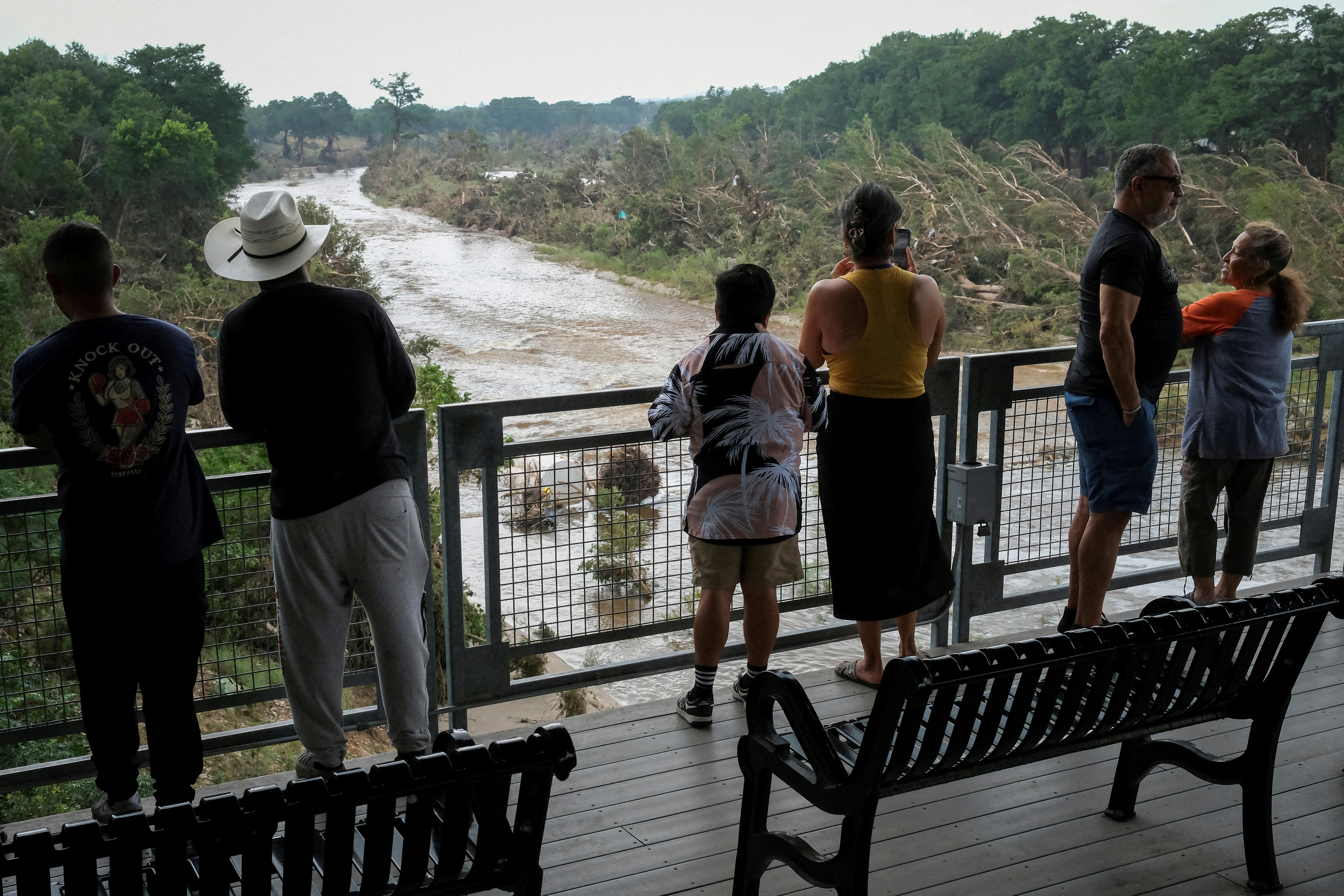
Dan Proft spoke with Phil Ambrose, a Southern California battalion chief and founder of the emergency responder training tool HazSim, to unpack the recent tragic flooding along the Guadalupe River in Texas that devastated several long-standing summer camps. The floods claimed multiple lives, including children and counselors, and left communities grappling with the aftermath.
The most harrowing stories have emerged from camps like Mystic and La Junta, where young campers were forced to swim for their lives as water rose rapidly through the night. Survivors described waking up to find floodwaters reaching the top bunks in their cabins, leaving them with no choice but to swim out through collapsing structures. Reports suggest that some of the most impacted cabins housed the youngest children, ages seven and eight.
Ambrose, drawing on his own experiences with similar incidents, emphasized how flash floods can occur with little warning—especially when rain falls upstream, leaving skies deceptively clear in the immediate area. This delay in visual cues, combined with the sudden escalation, can catch both residents and campers off guard.
One issue raised by critics in the aftermath is whether the National Weather Service responded adequately. Ambrose noted that, according to official statements, the service had increased staffing at its New Braunfels office, which oversees forecasts for the region. In fact, five forecasters were reportedly on duty during the storm—more than double the normal number during clear conditions.
Another question has been whether more could have been done to alert sleeping campers and staff. Suggestions included implementing flood sirens or other alert systems. Ambrose acknowledged the potential value of such tools but cautioned against oversimplifying their deployment. He pointed out that warning systems require precise knowledge of which areas are at risk and where to direct people—something that’s often difficult in fast-moving and unpredictable natural disasters. He also noted that many of the camps affected are located in small towns with limited resources, and even seasoned emergency teams may be overwhelmed.
Highlighting the complex nature of emergency planning, Ambrose added that early warning systems, like those used in wildfire and earthquake-prone areas, depend on local implementation and community preparedness. He praised the response from Texas Task Force One, an elite emergency response team that had pre-positioned assets in anticipation of severe weather.
The interview also touched on the long recovery road ahead—not only for the families of the victims but for the communities and camps themselves. Proft noted that many of these camps have been run by the same families for generations and are deeply woven into the fabric of the region. Ambrose echoed that history adds both emotional weight and logistical complexity to the response.
Drawing a parallel to the slow recovery from wildfires in Southern California earlier this year, Ambrose described a recent visit his son made to Malibu, where burned-out cars and homes still litter the landscape months later. The pace of recovery, he said, has been disappointingly slow.
As rescue operations continue in Texas, the focus will eventually shift from emergency response to lessons learned. For now, families and communities are left to mourn the loss, support survivors, and begin the difficult process of rebuilding—both physically and emotionally.