




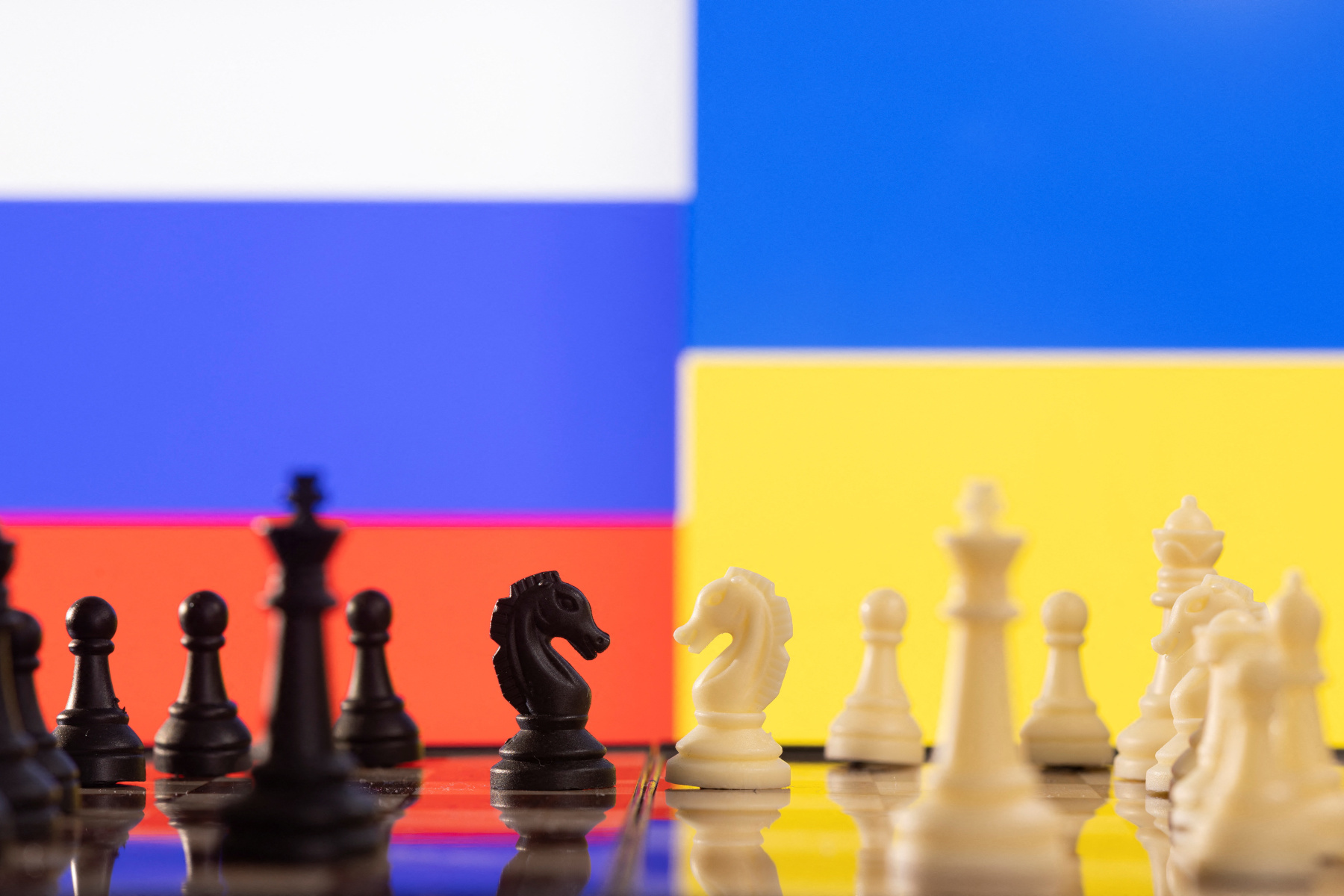
As Secretary of State Marco Rubio leads a high-profile summit in Istanbul aimed at securing peace between Russia and Ukraine, former CIA Russia analyst George Beebe warned that real progress is unlikely unless the United States pushes both parties beyond their current impasse.
Speaking on Chicago’s Morning Answer, Beebe, now Director of Grand Strategy at the Quincy Institute, laid out the fundamental disconnect: Ukraine wants a ceasefire to regroup amid mounting losses, while Russia is pressing for a broader political agreement that cements battlefield gains.
Ukraine Seeks Ceasefire; Russia Wants a Deal
“Ukraine doesn’t have enough men or equipment and can’t get enough,” Beebe explained. “They need a breather.” But Russia, with the upper hand militarily, has no incentive to stop fighting without securing long-term strategic concessions. The Kremlin wants a resumption of the 2022 Istanbul peace framework, which included significant restrictions on Ukraine’s military and a formal rejection of NATO membership.
Beebe emphasized that only the United States can bridge this divide by compelling Ukraine to negotiate beyond a short-term ceasefire. “That’s something that probably won’t be resolved unless the United States weighs in,” he said.
Putin’s Absence Not a Snub, Says Beebe
Despite the optics, Russian President Vladimir Putin’s absence from the Istanbul talks isn’t a diplomatic slight, Beebe argued. “Presidents don’t usually start negotiations,” he said, noting that Putin would likely get involved later if lower-level talks show promise. Trump, for his part, claimed Putin’s no-show was due to his own absence, an assertion Beebe did not address directly.
Same Demands, New Urgency
Russia’s demands haven’t changed much from three years ago: no NATO membership for Ukraine, no foreign military aid, and downsizing Ukraine’s armed forces. But Moscow is willing to allow Ukraine into the European Union—an olive branch that Beebe considers significant.
Securing a fair and independent Ukrainian military force remains a major sticking point. Beebe suggested the U.S. should leverage its NATO footprint to pressure Russia into accepting a Ukrainian self-defense capability, while maintaining restrictions on foreign troops within Ukraine’s borders.
North Korean Troops Gone, But Ukraine’s Forces Aging
Beebe confirmed that Russia is no longer deploying North Korean troops and that Ukrainian soldiers’ average age continues to rise, likely now above 45. “There’s a real difficulty building coherent, capable units,” he said, warning that Ukraine is running out of options short of direct NATO intervention—something he strongly opposes.
Could China and Iran Play a Role?
Beebe sees a potential indirect role for other geopolitical players. Russia may cooperate with the U.S. on containing Iran’s nuclear program as a gesture of goodwill. China, while hesitant to pressure Moscow, could become vital in Ukraine’s post-war reconstruction. Beijing’s economic presence, Beebe suggested, could deter Russia from reigniting the war if Chinese workers and investments are at stake.
U.S.-Ukraine Mineral Deal Sends Strong Signal
Beebe also pointed to the recent U.S.-Ukraine mineral rights agreement as a declaration of long-term American economic involvement. “Russia is going to have to accept that Ukraine won’t be their satellite,” he said. While Russia may prevent NATO expansion into Ukraine, it cannot prevent Western political and economic influence.
Timeline for Ceasefire? Possibly Weeks
While a full political settlement could take years, Beebe said a ceasefire might be achievable in the next one to two months if the U.S. exerts serious diplomatic pressure. “You can realistically anticipate a cessation of hostilities,” he said, though more complex issues will require long-term negotiations.
As Ukraine’s forces face exhaustion and Russia seeks to lock in its gains, Beebe believes only robust American diplomacy can convert military stalemate into political progress. The window for halting the bloodshed, he cautions, won’t stay open forever.