




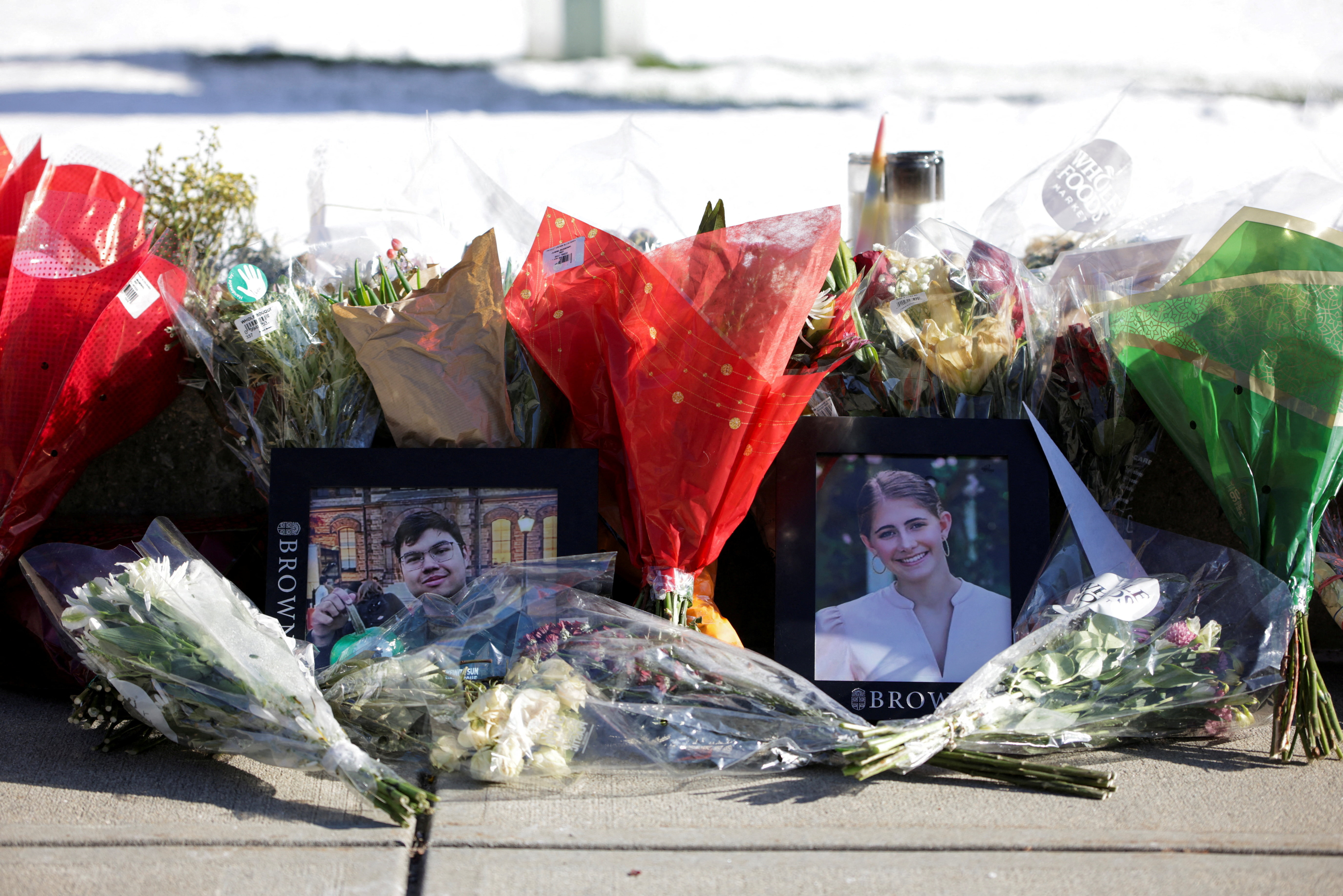
A retired FBI special agent sharply criticized the response by university officials and law enforcement following the mass shooting at Brown University, calling the public handling of the case confused, politicized, and emblematic of broader failures in modern policing leadership.
Thomas Baker, a former FBI special agent and author of The Fall of the FBI: How a Once Great Agency Became a Threat to Democracy, joined Chicago’s Morning Answer to assess the aftermath of the shooting that left two Brown students dead and nine others injured. Baker said the press conference held by Brown University leadership, Providence police, and state officials projected disorganization and a lack of transparency at a moment when clarity and credibility were essential.
The press conference drew widespread criticism after officials appeared uncertain about basic facts, including what surveillance video had been released and whether footage existed from inside the building. Brown University President Christina Paxson was unable to answer questions about missing student web pages or explain what actions the university had taken in the critical hours immediately after the shooting. Baker said such uncertainty undermines public confidence and reflects a breakdown in crisis communication protocols that law enforcement agencies once treated as fundamental.
Baker also pointed to what he described as an unhealthy number of political figures inserting themselves into an active criminal investigation. He argued that mayors, governors, attorneys general, and even U.S. senators have little operational role in an unfolding manhunt, yet increasingly dominate press briefings. According to Baker, this blurs responsibility, confuses messaging, and suggests that optics are taking precedence over investigative discipline.
Particular concern was raised over the refusal by authorities to confirm reports from eyewitnesses that the shooter shouted a religious phrase before opening fire. Baker said that multiple survivor accounts reported hearing such a statement, yet officials declined to acknowledge it publicly. He argued that withholding that information, if accurate, prevents the public from understanding whether the attack may have been ideologically motivated and reflects a broader reluctance to confront the possibility of Islamist terrorism.
Baker said this pattern of information management mirrors similar responses to recent attacks in other Western countries, where authorities appeared hesitant to disclose details that could inflame political or cultural controversy. He warned that such reticence does not protect communities, but instead fuels mistrust and speculation.
The discussion also turned to tensions between federal and state authorities, particularly remarks by Rhode Island’s attorney general criticizing the FBI’s handling of an earlier person of interest who was detained and released. Baker said disagreements between agencies are common in major cases, but public finger-pointing during an active investigation suggests institutional dysfunction rather than accountability.
Beyond the Brown case, Baker addressed newly released documents showing internal FBI resistance to the Justice Department’s push for a search warrant and raid at former President Donald Trump’s Mar-a-Lago residence. According to Baker, the documents reveal a striking reversal of traditional roles, with FBI agents urging caution and DOJ attorneys pressing for aggressive action. He said this departure from long-standing norms raises serious questions about politicization at the highest levels of federal law enforcement.
Baker concluded that both the Brown University shooting response and the Mar-a-Lago documents point to a deeper erosion of professional standards within institutions once trusted to act with restraint, precision, and independence. He argued that restoring public confidence will require less political theater, greater transparency, and a renewed commitment to basic investigative discipline.