




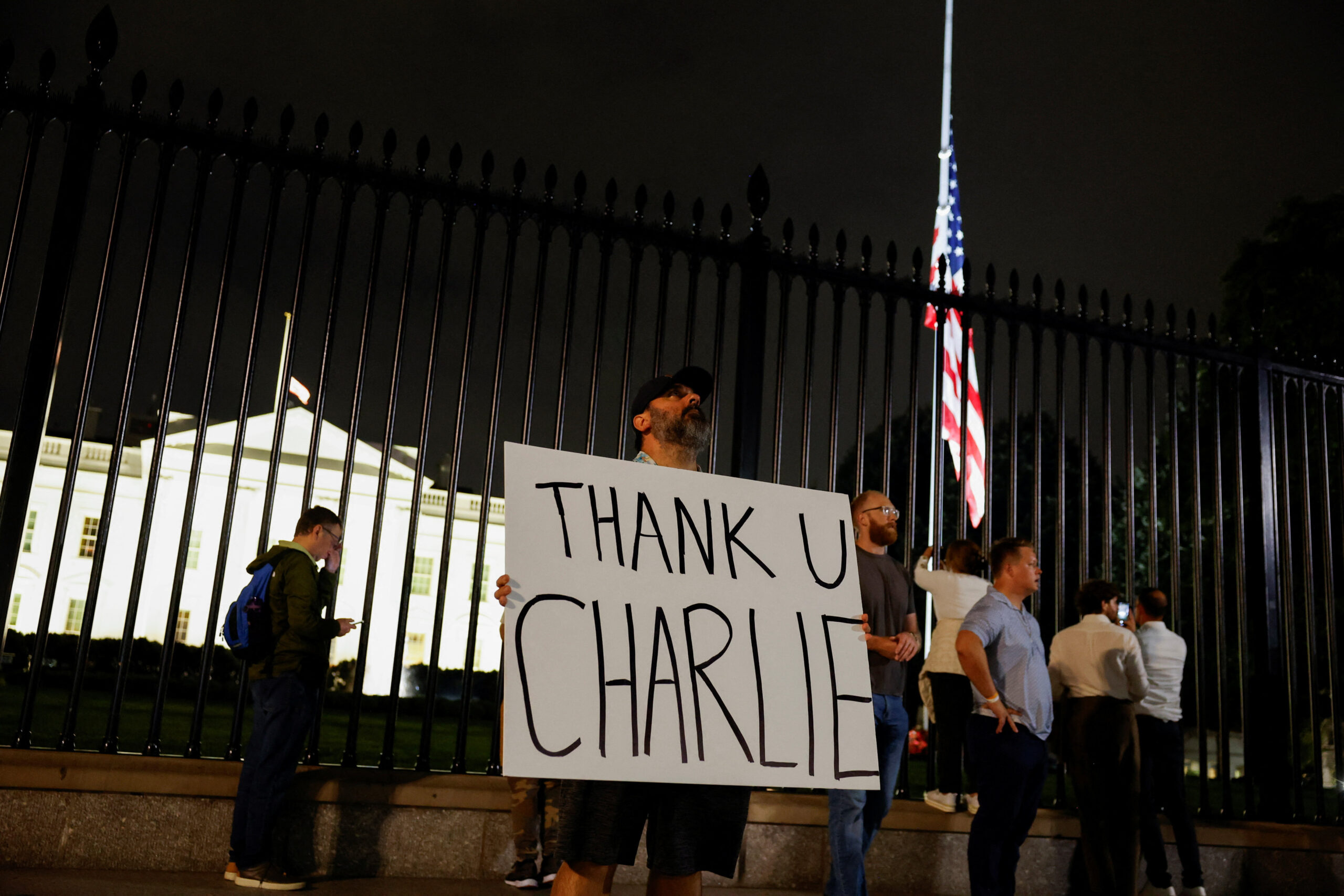
Retired FBI special agent and criminal profiler James Fitzgerald, best known for his role in the Unabomber case, joined Chicago’s Morning Answer to discuss the investigation into the assassination of Charlie Kirk and the broader rise of political violence in America.
Fitzgerald said the FBI’s progress so far—recovery of the suspected murder weapon in woods near Utah Valley University and surveillance video of the shooter—mirrors the challenges investigators faced in the Boston Marathon bombing case. Agents are now working through surveillance footage, license plate recognition, and cell phone data to track down the suspect. While the gun may not be easily traceable, Fitzgerald expressed confidence that the shooter will ultimately be identified.
Beyond the manhunt, Fitzgerald emphasized the cultural climate that fuels such attacks. He pointed to survey data showing nearly half of left-leaning respondents believed there was some justification to kill political figures like Elon Musk or the President, and FIRE studies that revealed one in six college students condone violence against campus speakers. “This is a sickness law enforcement can’t cure,” Fitzgerald said, stressing that politicians, media, and educators must also take responsibility for tempering rhetoric and teaching respect for civil discourse.
The former profiler drew parallels to earlier eras of political violence—from the assassinations of John F. Kennedy and Martin Luther King Jr. to threats against Rush Limbaugh and Ann Coulter during his years with the FBI. What has changed, he warned, is the normalization of celebrating political violence on social media and college campuses. “The evils among us have decided that by any means necessary, dissenting voices must be silenced,” he said.
Looking forward, Fitzgerald predicted security protocols at conservative events will likely change. Indoor venues, rooftop surveillance, and even drone monitoring may become standard. He also expects investigators to uncover a manifesto or online trail from the shooter, whom he described as likely young, physically fit, and radicalized in an ideological echo chamber.
While law enforcement continues its search, Fitzgerald underscored the need for cultural renewal. “We don’t want a police state,” he said. “But if we continue down this road, more people will think bullets are the answer to political disagreements—and that’s a future none of us can afford.”