




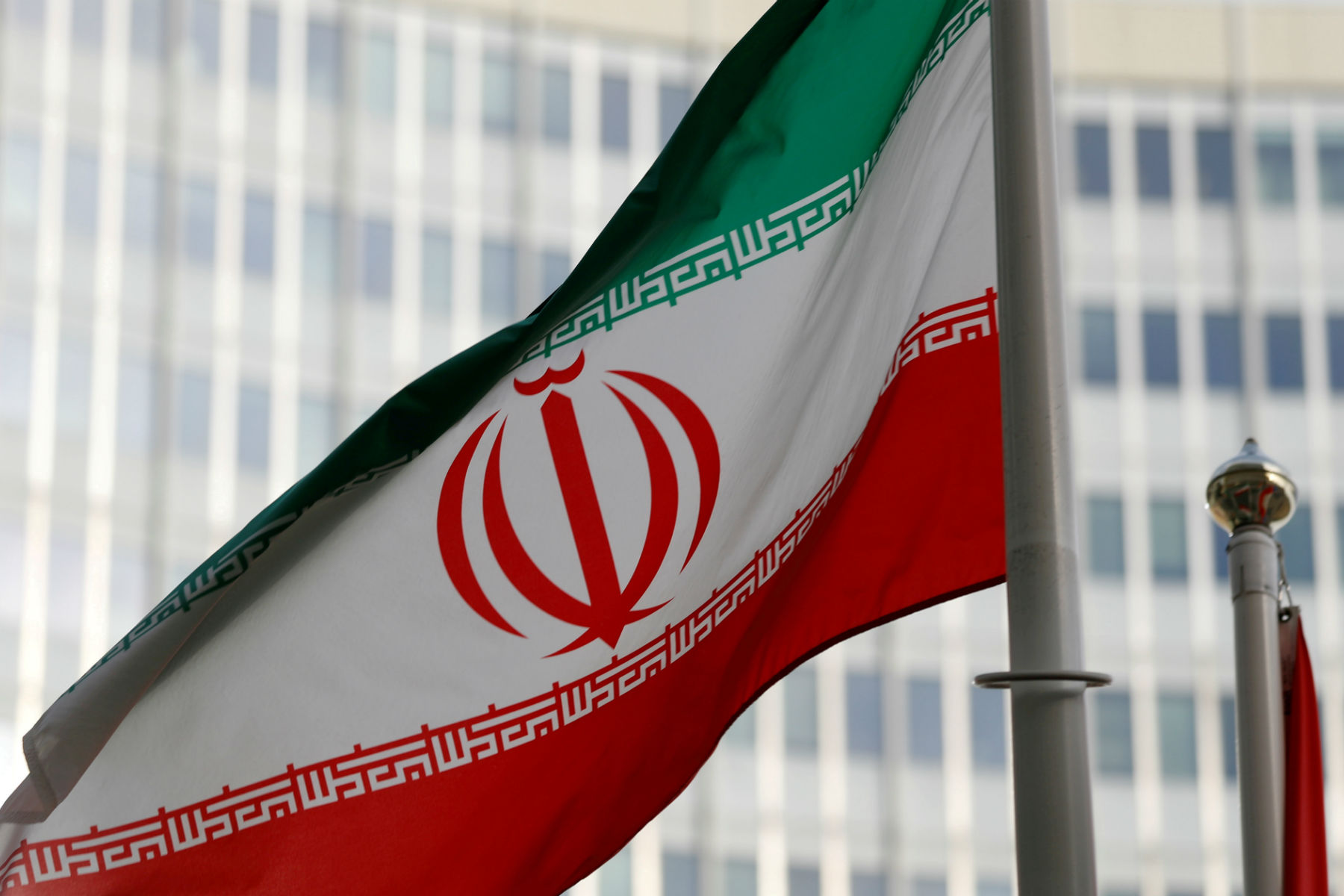
On Chicago’s Morning Answer, co-hosts Amy Jacobson and John Anthony were joined by Steven Bucci, former Army Special Forces officer and top Pentagon official, to analyze the aftermath of the recent U.S. airstrikes on Iranian nuclear sites. Bucci, a visiting fellow at The Heritage Foundation, pushed back on media narratives that have downplayed the scope and impact of the strikes, calling the operations a major strategic success.
The strikes, which were ordered after intelligence reports indicated Iran’s nuclear program had advanced dangerously close to weapons capability, targeted key enrichment facilities. President Trump later said the sites were “totally obliterated,” while military leaders emphasized precision targeting and deep-penetration bombs that destroyed critical infrastructure underground.
Bucci noted that, while he has not seen the classified bomb damage assessments, public briefings and visual analysis strongly support the claim that Iran’s ability to enrich uranium has been significantly disrupted. He criticized statements from international nuclear monitors suggesting otherwise, calling them “ludicrous” and noting that such agencies lack the expertise to evaluate bomb damage.
“What was hit took years to build, and it was crushed,” Bucci said. “Rebuilding that is not going to happen in a matter of weeks.”
The discussion included recent comments from Vice Presidential candidate J.D. Vance, who emphasized that the primary mission was to eliminate Iran’s capacity to further enrich uranium and convert it to weapons-grade material. Bucci agreed with the assessment and added that, while some enriched uranium might remain, it is useless without the infrastructure to process it.
The hosts also pressed Bucci on Iran’s response, including boasts from Supreme Leader Ali Khamenei claiming a “victory” over the U.S. and Israel. Bucci dismissed such rhetoric as “Baghdad Bob-level propaganda,” asserting that the Iranian regime is losing legitimacy not only globally but among its own people.
“They can put on a brave face, but they know what happened,” Bucci said. “And more importantly, so do their citizens.”
Bucci warned that if Iran attempts to rebuild its nuclear capabilities, the U.S. and its allies—particularly Israel—will likely strike again. He also suggested the strikes served as a message to adversaries like China, Russia, and North Korea, demonstrating that the U.S. retains both the will and capability to act decisively in defense of its interests.
The interview also touched on the recent sniper attack in Coeur d’Alene, Idaho, where a gunman opened fire on first responders after luring them to the scene with a brush fire. Bucci, drawing on his military and intelligence background, said it appeared to be a lone-wolf act of domestic terrorism, possibly with mental health and ideological motivations. He expressed confidence that authorities would track down anyone who may have assisted the gunman.
Finally, Bucci condemned the media for “running cover” for Iran and for attempting to undermine Trump’s actions for political reasons.
“They don’t care what the facts are,” he said. “They just want to discredit the president at any cost.”
Bucci concluded by calling for accountability over the leak of low-confidence intelligence reports that reached news outlets, stating that if intelligence professionals were behind it, prosecution would be warranted under federal law.
As tensions with Iran remain fluid, Bucci stressed the importance of ongoing vigilance, noting that the strike was a necessary message—not just for Iran, but for all adversaries watching America’s next move.