




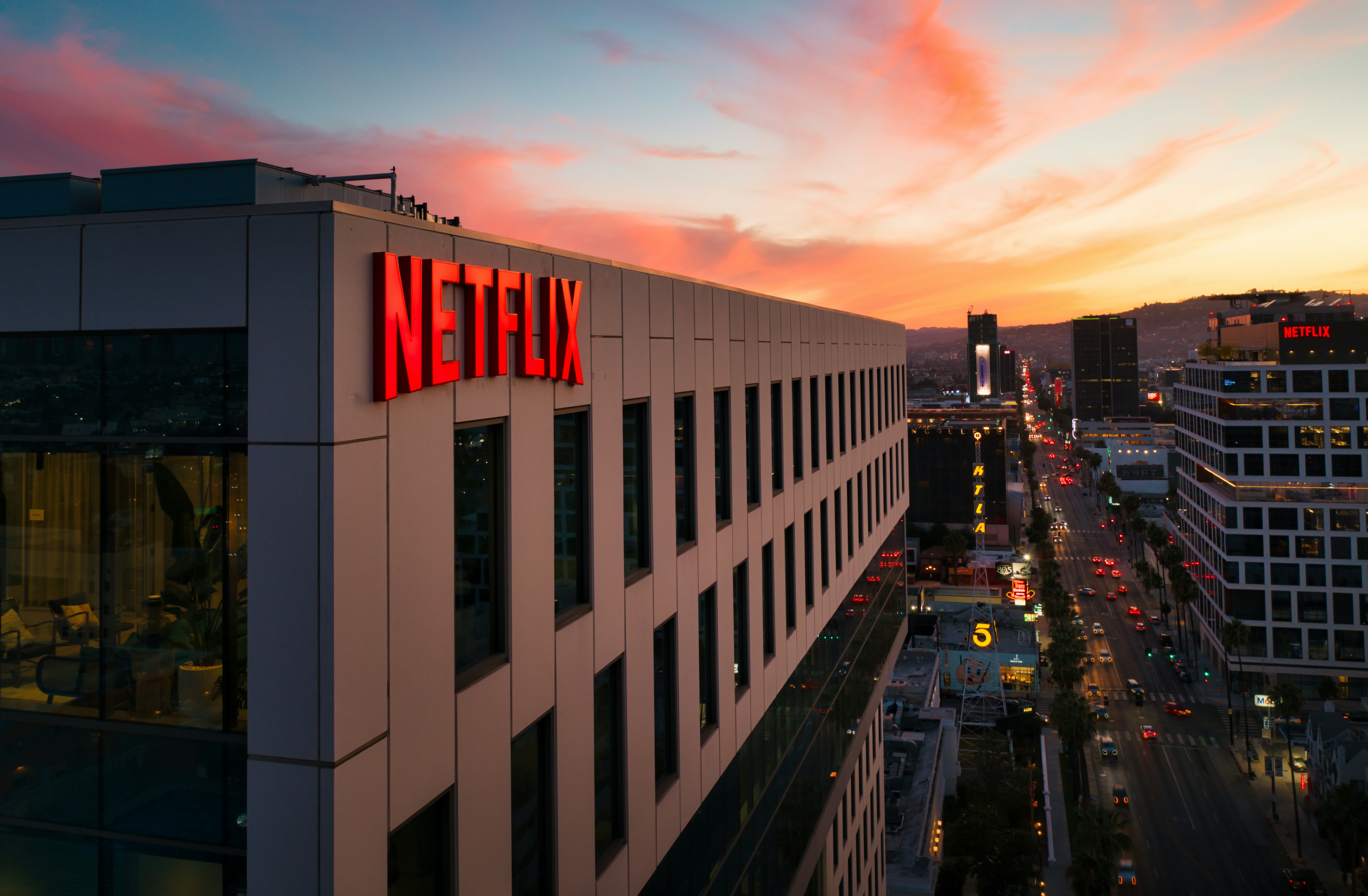
Netflix’s reported pursuit of Warner Bros., whether through a direct acquisition or a broader corporate restructuring, has sparked sharp debate about what it would mean for Hollywood’s future. On Chicago’s Morning Answer, Dan Proft unpacked the implications with Christian Toto, editor of Hollywood in Toto and longtime critic of the industry’s political and creative trends.
As Proft noted, opinions about the potential deal fall along starkly different lines. Some industry observers, like writer Sasha Stone, frame the merger as yet another nail in Hollywood’s coffin—part of a long trend of consolidation that has hollowed out the movie business, collapsed theatrical revenue, and concentrated power in the hands of a few corporate giants. Others argue the opposite: that Netflix’s reach and Warner Bros.’ creative resources could rejuvenate a struggling industry and give legacy studios the technological backbone they currently lack.
Toto sees truth in both assessments. The streaming giant’s cultural footprint is enormous and its political leanings unmistakable, he said, pointing to Netflix’s announcement of Queen of Coal, a drama about a transgender coal miner striving to overcome a patriarchal Appalachian town. For Toto, the project highlights the company’s ongoing commitment to ideological messaging—something that has alienated large swaths of its potential audience.
Yet he also believes Netflix has quietly begun course-correcting. He noted that the streamer refused to cave to activist pressure over the Dave Chappelle specials and has increasingly welcomed comedians and creators who diverge from progressive orthodoxy. Whether financial motives or cultural fatigue drove that shift, Toto said it suggests Netflix understands the market consequences of continually ignoring half the country.
But if Netflix becomes large enough to dominate theatrical and streaming markets, he warned, the incentives for ideological recalibration could disappear entirely. “If there is no elsewhere,” Toto said, “they can do whatever they want.”
The conversation then turned to the broader creative stagnation facing Hollywood. Toto cited recent remarks by A Bronx Tale creator Chazz Palminteri, who said classic films like The Godfather or Midnight Cowboy could never be made today. While Toto believes the examples may not be perfect, he agrees with the underlying point: storytellers now operate under political and cultural constraints that make it nearly impossible to produce the kind of morally complex, character-driven narratives that once defined the industry. Mandatory messaging, identity checkboxes, and fear of social-media mobs all shape the writing and casting process before a camera ever rolls.
This narrowed creative bandwidth has coincided with a deep decline in theatrical attendance. Proft mentioned that only a handful of films from 2025 have stood out—such as the charmingly modest Nonas. Toto added his own recommendations, including Sinners, director Ryan Coogler’s genre-bending horror-drama, and Weapons, which he described as one of the year’s best-crafted thrillers. He also praised Paul Thomas Anderson’s One Battle After Another—a film he predicts will sweep awards despite its overt political messaging—and highlighted J. Kelly, a Netflix feature with standout performances from George Clooney and Adam Sandler. His final pick was Marty Supreme, a kinetic drama starring Timothée Chalamet as a disgraced ping-pong prodigy, which Toto believes has the inside track for Best Actor.
Proft also asked about the future of late-night television in light of ABC’s decision to give Jimmy Kimmel only a one-year contract extension. Toto believes the format is nearing extinction. Ratings have cratered, competition from podcasts is relentless, and the monologue-as-political-sermon approach alienates millions. Toto argued that Kimmel might already be off the air were it not for internal Hollywood pressure following controversy over his mischaracterization of comments by Charlie Kirk and Donald Trump. ABC, he suggested, feared backlash from the entertainment community if it appeared to discipline Kimmel over political content. Still, the economics are unsustainable. “If Colbert’s show was losing $40 million a year,” Toto said, “you’re going to tell me Kimmel’s show makes money? It seems improbable.”
The discussion closed with a brief look at the Kennedy Center Honors, which drew headlines for tensions between Trump’s cultural appointments and the arts establishment. Toto dismissed the outrage, saying the focus should be on honoring deserving performers—not the politics of who appoints the advisory board.
Taken together, the hour painted a picture of an entertainment world at an inflection point. Consolidation is accelerating, creative risk-taking is shrinking, traditional formats are collapsing, and cultural battles increasingly shape the stories Hollywood is willing—or unwilling—to tell. Whether Netflix’s pursuit of Warner Bros. becomes a catalyst for rebirth or further decline remains uncertain. But as Toto emphasized, the decisions made now will reverberate far beyond Hollywood, reshaping American culture—and its audiences—for years to come.
Photo by Venti Views on Unsplash