




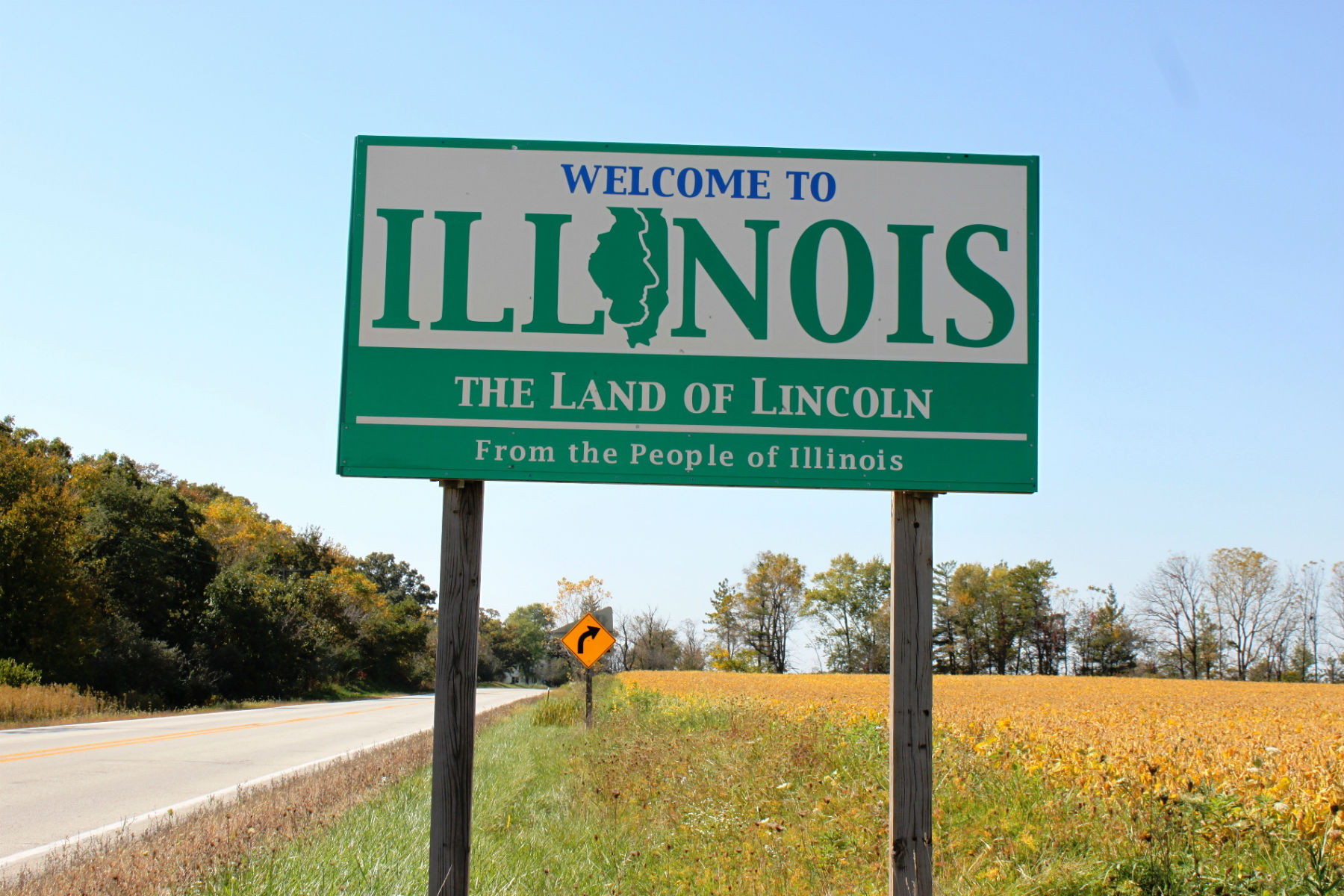
With just weeks remaining before Illinois voters head to the polls for the Republican gubernatorial primary, the contest has evolved into a broader referendum on the state’s entrenched political culture and whether the GOP intends to challenge it or adapt to it.
The race, which includes businessman Rick Heidner and former state representative Ted Dabrowski, has exposed sharp divisions not only over electability but over the very mechanics of doing business in Illinois.
At the center of the dispute are Heidner’s past political donations, including contributions to high-profile Democrats such as Cook County State’s Attorney Kim Foxx and Chicago Mayor Brandon Johnson. Heidner’s defenders argue that bipartisan giving is a practical necessity in a deep-blue state where government relationships often determine business outcomes. Critics counter that such a strategy reinforces what they describe as Illinois’ long-standing “combine” system, where political insiders thrive through access and influence while taxpayers bear the cost.
Chase Heidner, the candidate’s daughter, has publicly defended her father’s record, arguing that business leaders in Illinois must work with both parties to operate effectively. She has also questioned Dabrowski’s fundraising, citing donations from individuals who have participated in Democratic primaries.
Opponents dismiss that comparison, noting that several of the named donors are longtime conservative contributors who may pull Democratic ballots in certain elections for strategic reasons but consistently support pro-life and conservative causes. They argue that equating ideological donors with routine contributions to Democratic power brokers misses the distinction between tactical voting and sustained financial support of the state’s ruling apparatus.
Mark Glennon, founder of the policy organization Wirepoints, says the dispute reflects a fundamental philosophical divide about economic development and governance in Illinois.
Glennon notes that Heidner has publicly described tax incentives and state-backed development tools as legitimate engines of growth, a position that aligns with the current model of targeted subsidies and government intervention. Wirepoints has long opposed that approach, arguing that government is ill-suited to pick winners and losers and that Illinois’ fiscal instability stems in part from politically directed economic favoritism.
The broader question, Glennon suggests, is whether business leaders who participate in the existing system are victims of political shakedowns or active participants in a framework that rewards insiders. While acknowledging that Illinois politics can be coercive, he argues that institutionalizing pay-to-play relationships only perpetuates the cycle.
The debate unfolds against the backdrop of continued concerns about Illinois’ election administration. Reports of ballot inconsistencies, including a misspelling of Dabrowski’s name in Champaign County and the presence of a withdrawn candidate on ballots in multiple counties, have raised questions about oversight and transparency.
In some jurisdictions, early voting has already begun with ballots that include candidates who are no longer eligible, potentially invalidating votes cast in good faith. Glennon attributes part of the confusion to compressed timelines and procedural changes tied to expanded early voting and mail-in balloting, which he says have made corrections more difficult once ballots are printed and distributed.
Critics warn that such administrative errors risk undermining voter confidence, particularly in a state already burdened by fiscal strain, population loss, and a reputation for political dysfunction.
For Republican primary voters, the contest now extends beyond personality or campaign rhetoric. It asks whether reform requires operating within the existing structure to win or dismantling that structure altogether.
As early voting continues and the primary approaches, the outcome may offer insight into which vision resonates more strongly with a party seeking to reverse decades of Democratic dominance in Springfield.