




Brian Lonergan, director of strategic communications and content at the Federation for American Immigration Reform, said recent rhetoric from officials in places like Minnesota and Illinois does not align with their actions. While some leaders claim to support the removal of violent criminals who are in the country illegally, Lonergan argued that sanctuary policies make that outcome far less likely by preventing cooperation between local law enforcement and federal authorities.
Lonergan pointed to programs such as 287(g), which allow local jails to work with Immigration and Customs Enforcement to transfer custody of criminal offenders, as a safer and more effective approach that many sanctuary jurisdictions refuse to adopt. He said this forces ICE officers to conduct enforcement operations in the community rather than in controlled jail settings, increasing the risk of confrontation and public disorder.
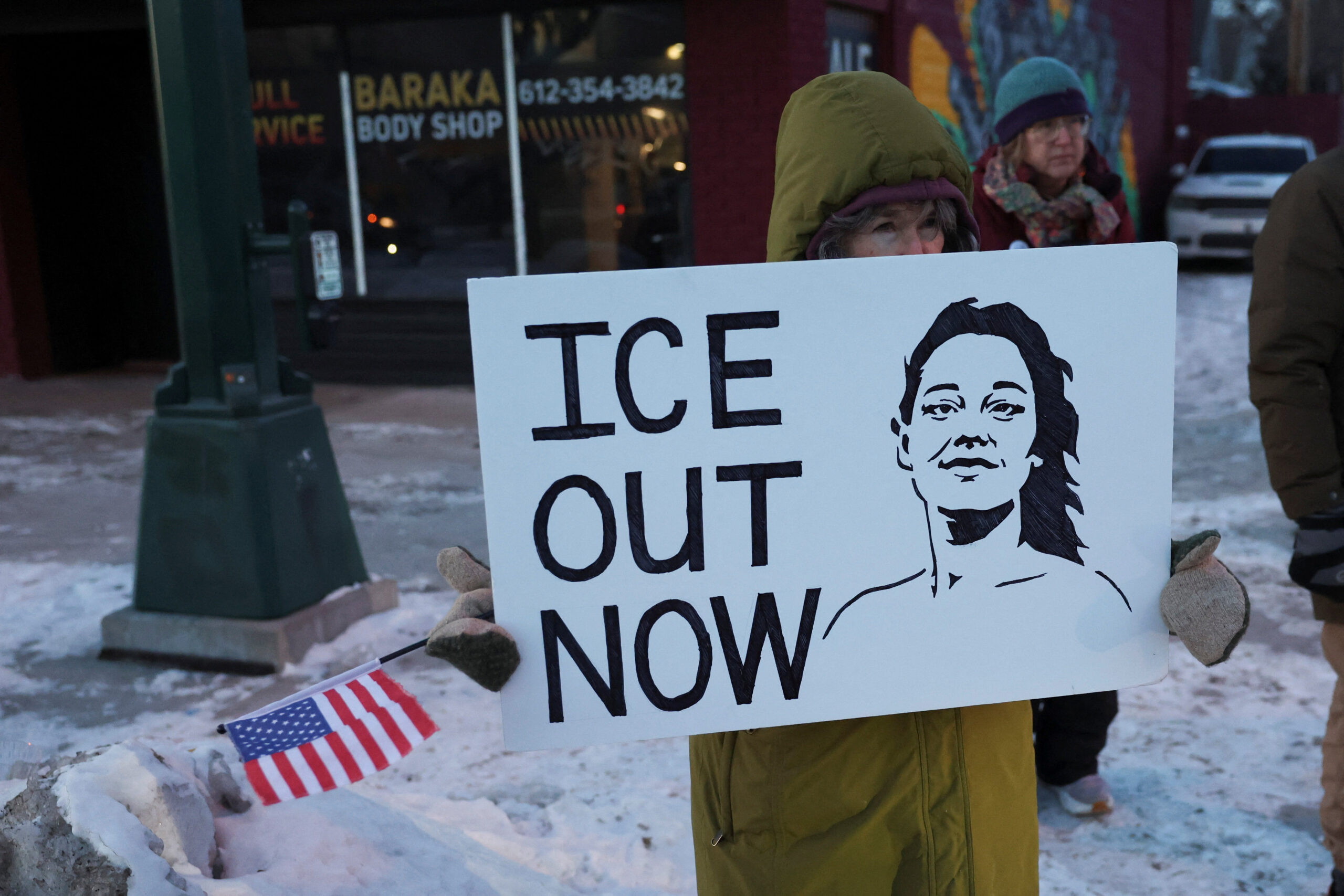
The interview also addressed the broader political environment surrounding enforcement efforts in Minneapolis and other cities, where protests and public pressure have followed recent high-profile incidents. Lonergan said local leaders have failed to call on activists to stand down or stop interfering with federal officers, instead portraying those confrontations as acts of resistance. That posture, he argued, has contributed to a climate that undermines public safety and emboldens further obstruction.
President Donald Trump has previously raised the possibility of invoking the Insurrection Act in response to unrest tied to immigration enforcement, though administration officials have since struck a more measured tone. Lonergan said the option should remain on the table if state and local leaders continue to encourage defiance of federal law rather than cooperation.
The discussion also touched on the administration’s enforcement priorities, including a focus on individuals with serious criminal records. Lonergan acknowledged the importance of removing violent offenders but questioned the logic of selectively enforcing immigration laws. He argued that allowing nonviolent violations to go unaddressed erodes the rule of law and invites broader disregard for legal boundaries.
Beyond public safety concerns, Lonergan emphasized the financial impact of illegal immigration, citing studies estimating annual costs to taxpayers in the hundreds of billions of dollars through healthcare, education, and other public services. He said those costs directly affect city and state budgets already under strain, particularly in jurisdictions that have embraced sanctuary policies while facing fiscal shortfalls.
As immigration enforcement continues to be a defining issue for the administration, Lonergan said the president is likely to balance firm adherence to campaign promises with tactical adjustments based on public reaction. He predicted that while messaging may shift, the underlying commitment to enforcing existing immigration laws will remain unchanged, even in the face of sustained political and media pressure.