




A Hammond, Indiana high school teacher was placed on administrative leave following a classroom discussion about federal immigration enforcement, raising new questions about political expression, viewpoint neutrality, and disciplinary standards in public schools.
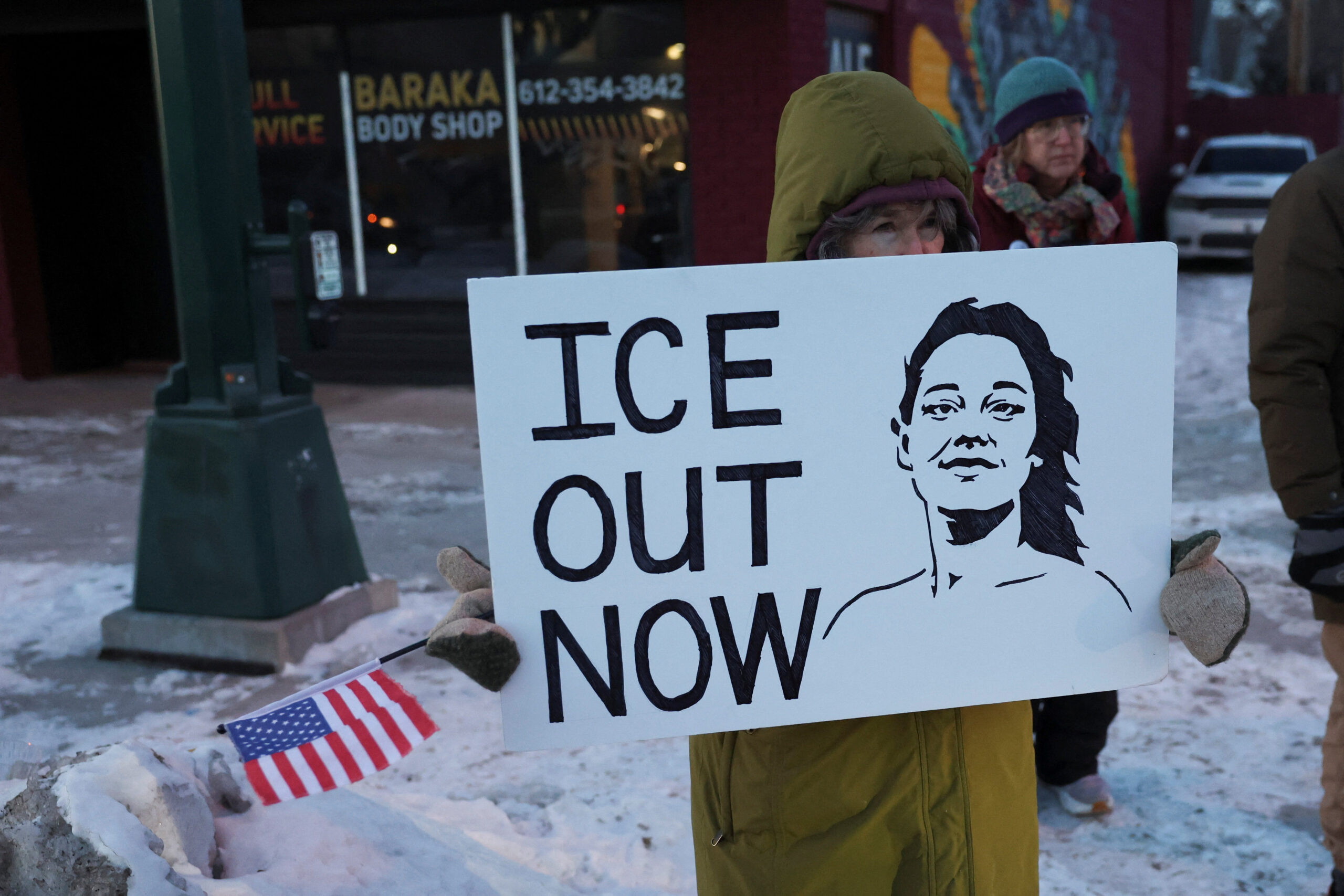
The incident unfolded at Hammond Central High School as students participated in a coordinated walkout protesting U.S. Immigration and Customs Enforcement. The demonstration, which took place during the school day, included students leaving campus with signs and national flags and gathering outside the building while classes were still in session. School administrators had circulated advance notice to staff that a walkout might occur and provided guidance on how students would be directed during the event.
During a discussion on Chicago’s Morning Answer, guest hosts Jeanne Ives and Jim Iuorio spoke with Hammond Central social studies teacher Stephen Armet, who said he was removed from the classroom after answering a student’s question about the purpose of the walkout.
Armet said he asked a student why classmates were planning to leave school and was told the protest was aimed at ICE. When the student pressed him for his personal stance, Armet explained that ICE enforces federal immigration law and referenced the term “illegal alien” as it appears in federal statute. He said he showed the student a publicly available article explaining the legal origin of the term under federal law signed during the Reagan administration.
According to Armet, the exchange escalated quickly. Several students left the classroom shortly before the bell, and later that day school administrators escorted him out of the building. He was subsequently notified by the district’s human resources department that he had been placed on paid administrative leave pending an investigation into alleged inappropriate statements made toward students.
Armet said he was not accused of directing derogatory language at any individual student and believes the allegation relies on secondhand accounts from students involved in the protest. He expressed concern that the disciplinary language used by the district was vague and left open broad interpretation of what occurred in the classroom.
The discussion also highlighted what the hosts described as an apparent disparity in how political activity is handled in schools. While the student walkout opposing ICE proceeded with administrative awareness and logistical planning, Armet was disciplined for responding to a student’s question about immigration enforcement during class. Ives and Iuorio questioned whether a similar response would occur if a teacher or students expressed support for immigration enforcement or other politically unfashionable positions.
Armet said he is consulting with attorneys experienced in labor and education law and is prepared to challenge any disciplinary action that goes beyond the current leave status. He added that he has generally avoided expressing personal political views in class and has previously deflected attempts by students to draw him into partisan discussions.
The Hammond case comes amid broader debates across the Midwest over political activism in schools, the boundaries of classroom discussion, and the rights of teachers to explain legal concepts without fear of professional retaliation. District officials have not publicly commented on the investigation or provided a timeline for its conclusion.