




A former FBI criminal profiler says a series of recent Islamist-inspired attacks in the United States highlights ongoing vulnerabilities in the country’s counterterrorism and immigration enforcement systems, particularly when individuals with known extremist ties remain in the country after criminal convictions.
James Fitzgerald, a retired FBI special agent who helped profile the Unabomber and now co-hosts the podcast Cold Red, discussed the incidents following two attacks that left multiple victims and renewed concerns about domestic terror threats. One of the most tragic events occurred at Old Dominion University in Virginia, where Lieutenant Colonel Brandon Shaw, a decorated Army officer and professor of military science leading the school’s ROTC program, was killed.
Shaw, a veteran of Operation Iraqi Freedom, Operation Enduring Freedom, and Atlantic Resolve, had received two Bronze Stars along with several other military decorations. According to Fitzgerald, the circumstances surrounding the attack raise troubling questions about how the perpetrator was allowed to remain in the United States after previously serving prison time for aiding ISIS.
Fitzgerald said the suspect had already been convicted for supporting the terrorist group and yet was later released from prison and allowed to return to civilian life. He argued that prison often fails to rehabilitate individuals driven by ideological extremism and instead may reinforce their beliefs.
“In cases like this, prison is not likely to erase extremist ideology,” Fitzgerald said, noting that individuals incarcerated for ideological crimes often interact with others who share similar beliefs.
The attacker ultimately carried out the fatal shooting on campus before being subdued by ROTC students in Shaw’s class. Fitzgerald praised the quick response from the students, saying their actions likely prevented further casualties.
He said their willingness to intervene reflects the type of preparedness that authorities have encouraged for years in response to active shooter threats. Instead of freezing in place, the students confronted the attacker and helped bring the situation under control.
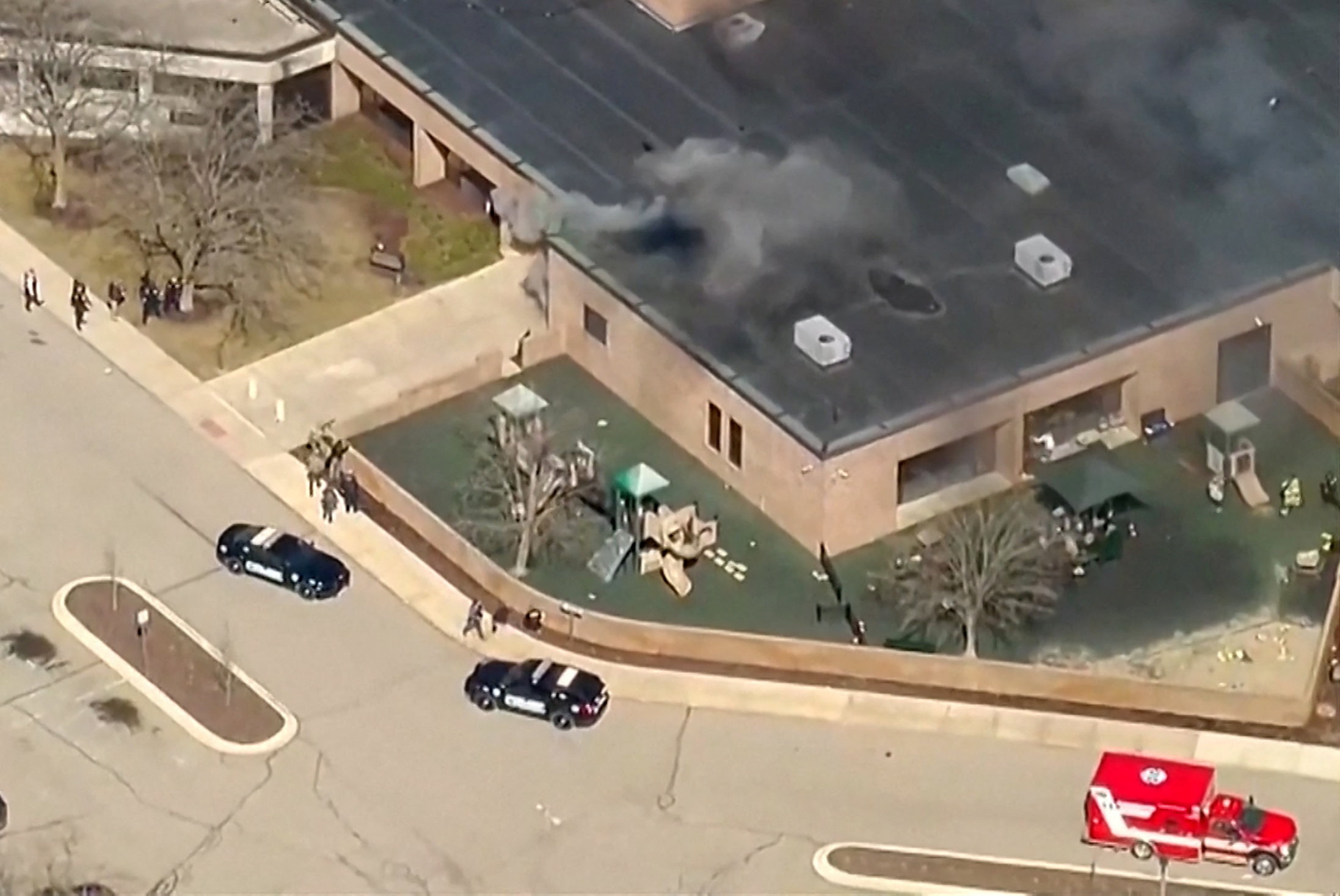
A second incident occurred in Bloomfield, Michigan, where a man drove a vehicle into a synagogue. Authorities later revealed that the suspect was a naturalized U.S. citizen originally from Lebanon who had family members connected to Hezbollah. The attacker had reportedly been on the FBI’s radar prior to the incident, raising additional questions about monitoring potential threats.
Fitzgerald said family ties to extremist organizations and known associations should prompt careful review by investigators, though he acknowledged that tracking potential lone attackers remains one of the most difficult challenges facing law enforcement.
“These attacks are often carried out by individuals acting alone,” he said, explaining that such cases can be harder to detect in advance compared to organized terror cells.
The former FBI agent also pointed to additional warning signs that had emerged in the Michigan case, including reported contacts with Hezbollah members and past statements praising the group.
Despite those indicators, Fitzgerald emphasized that authorities must operate within legal constraints when conducting surveillance or investigations. Even when someone is suspected of extremist sympathies, law enforcement must meet specific evidentiary thresholds before taking action.
Fitzgerald said another troubling aspect of the Virginia attack was how the perpetrator obtained a firearm despite being a convicted felon. According to reports, the weapon was purchased through a straw buyer who had previously been caught engaging in similar illegal purchases but was not prosecuted.
He argued that individuals who knowingly facilitate illegal gun transfers should face serious consequences when those weapons are later used in violent crimes.
“These people have to be held accountable as well,” Fitzgerald said, adding that illegal gun transactions can create dangerous pathways for individuals who should never have access to firearms.
The attacks come amid broader concerns about potential extremist violence in the United States as geopolitical tensions rise overseas. Fitzgerald said that when such incidents occur, the FBI typically increases coordination across its field offices and works closely with agencies such as the Department of Homeland Security, Immigration and Customs Enforcement, and Customs and Border Protection.
Although he no longer works inside the bureau, Fitzgerald said conversations with former colleagues suggest that coordination among federal agencies has intensified as authorities attempt to identify individuals who may pose security risks.
He noted that intelligence gathering often focuses on individuals already known to investigators, including those with prior extremist affiliations or past criminal convictions related to terrorism.
At the same time, Fitzgerald acknowledged that lone attackers who radicalize independently online or through small social networks remain the most difficult to prevent.
“Those individuals who operate on their own are often the hardest to stop,” he said.
Even so, he believes recent attacks will prompt law enforcement agencies to take a closer look at individuals who may fall into similar risk categories.
The goal, Fitzgerald said, is to identify threats early through surveillance, intelligence sharing, and proactive investigation before violence occurs.
“We have to stay ahead of them,” he said. “That means paying attention to the warning signs and making sure agencies are working together to prevent the next attack.”