




Renewed calls for gun control following recent mass shootings in Australia and the United States drew sharp criticism on Chicago’s Morning Answer, where retired FBI supervisory special agent James Gagliano argued that political responses are once again focusing on symbolism rather than substance.
The discussion unfolded against the backdrop of the Bondi Beach massacre in Australia, the deadly shooting at Brown University, and the murder of an MIT professor, crimes that authorities have since confirmed are connected. In response, Australian Prime Minister Anthony Albanese announced a new mandatory gun buyback program, echoing measures enacted after the 1996 Port Arthur massacre. Similar proposals have resurfaced in the United States, particularly from Democratic leaders following the Brown University attack.
Gagliano rejected the idea that gun buybacks meaningfully reduce violent crime, drawing on his experience leading an FBI Safe Streets Task Force in New York. He said such programs typically collect broken, obsolete, or inoperable firearms while criminals simply avoid participation. According to Gagliano, buybacks create the appearance of action without addressing those who actually commit violence.
The conversation also highlighted recent research from the Crime Prevention Research Center comparing civilian concealed-carry permit holders with police officers in active shooter situations. The data showed armed civilians intervened successfully in a significant share of attacks over the past decade, with far fewer accidental bystander shootings than those involving police. Gagliano said the findings reinforce what many in law enforcement already understand: responsibly armed citizens can and do save lives, particularly when police are minutes away.
Gagliano emphasized that the United States’ constitutional framework fundamentally distinguishes it from countries like Australia. With hundreds of millions of firearms already in circulation and the Second Amendment recognized by the Supreme Court as an individual right, he argued that mass confiscation proposals are both impractical and unconstitutional.
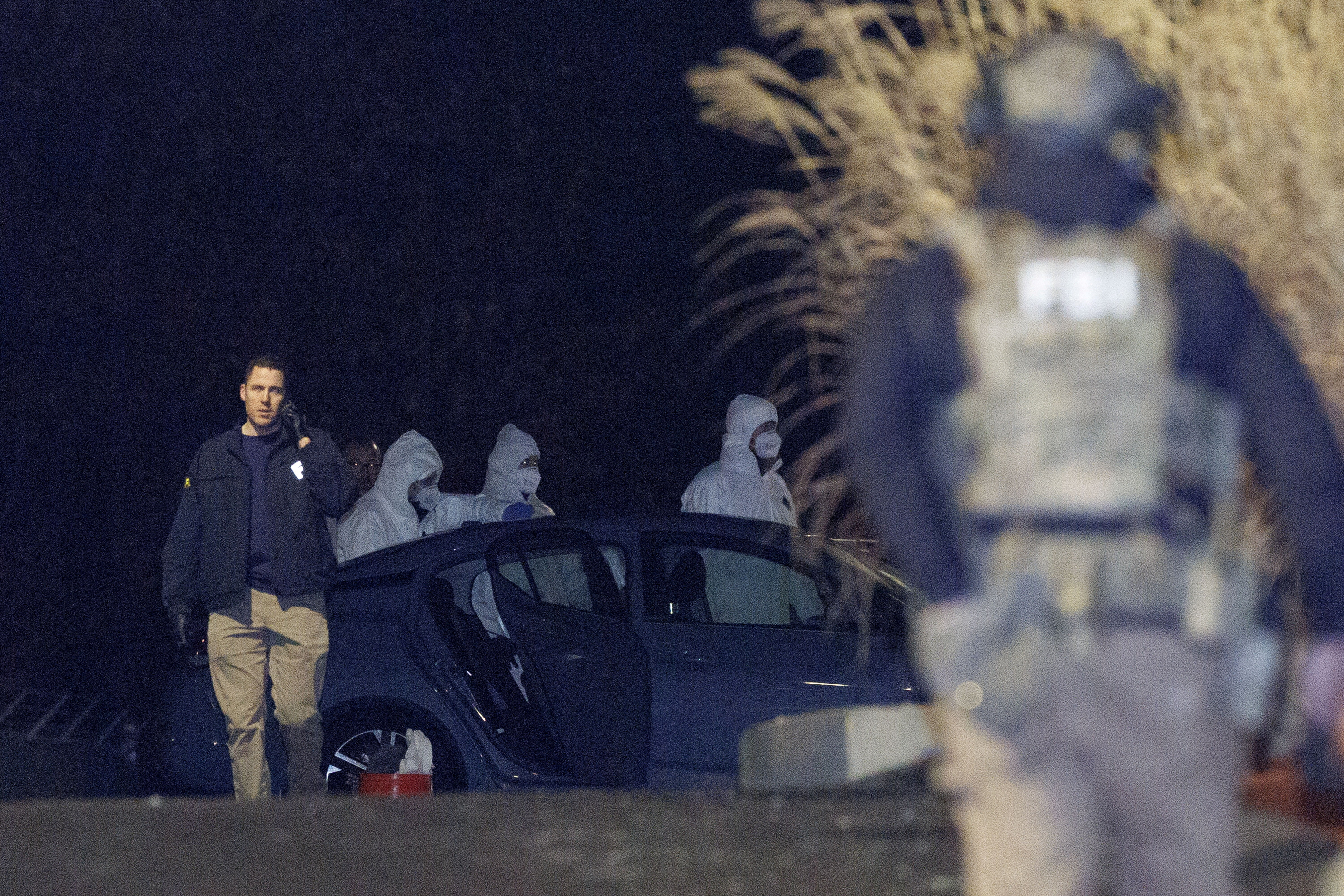
Turning to the Brown University case, Gagliano delivered his strongest criticism not of frontline officers, but of institutional leadership and messaging failures. He described the press conferences held by city, state, and university officials as confusing, inaccurate, and at times misleading. While acknowledging that investigators must chase early leads that do not pan out, he said public officials repeatedly misstated key facts and appeared more focused on optics than clarity.
Gagliano took particular issue with how authorities described the detention of a person of interest in Wisconsin, noting that the individual was effectively arrested despite officials avoiding that term. He explained that holding someone for hours while conducting ballistic tests exceeds the scope of a brief investigative detention under Supreme Court precedent.
He also sharply criticized Brown University for what he described as a catastrophic failure of campus security infrastructure. Despite reports that hundreds, and possibly more than a thousand, surveillance cameras exist on Brown’s compact campus, investigators apparently lacked usable footage of the suspect entering or leaving the scene. Gagliano cited past campus activism against surveillance as a likely reason the cameras were inactive or inaccessible, arguing that ideological opposition to monitoring directly impeded the investigation.
According to Gagliano, the absence of timely video evidence may have delayed the identification of the suspect long enough for him to commit the subsequent murder of the MIT professor two days later. He dismissed university leadership’s claims that camera footage would not have changed the outcome, calling that assertion indefensible given the timeline.
Gagliano also pointed to unresolved questions about witness accounts, the suspect’s movements, and interactions near the crime scene, arguing that clearer information should have emerged far sooner. He praised the civilian who voluntarily came forward after being identified in footage, calling it an example of how public cooperation remains essential to solving violent crimes.
While condemning the shooter as a coward who avoided justice by taking his own life, Gagliano stressed that each mass casualty event presents lessons that institutions routinely fail to apply. From delayed police responses to disabled security systems, he said patterns repeat because accountability rarely follows.
In closing, Gagliano warned that politicized debates over guns often obscure the more uncomfortable realities of prevention, preparedness, and institutional responsibility. He argued that meaningful public safety improvements depend less on sweeping gun policies and more on competent leadership, functional security systems, and an honest reckoning with past failures.