




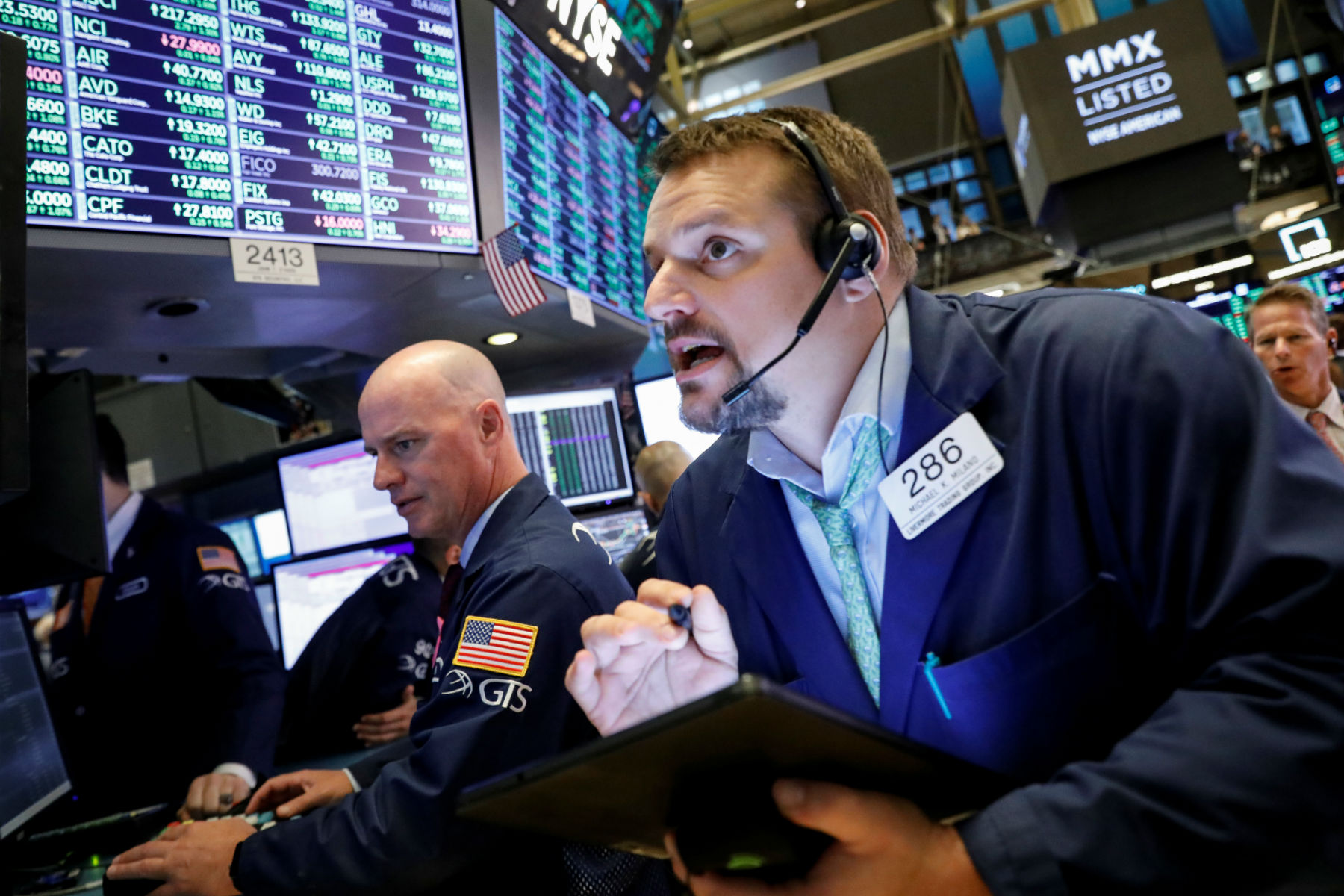
May jobs numbers came in at 172,000 new positions created, more than double Wall Street estimates, with the prior month revised upward to 179,000 and two-month revisions totaling 93,000 additional jobs. Unemployment held steady at 4.3%, essentially full employment by most measures.
James Perry, founder and CIO of Perry International Capital Partners, joined Dan Proft on Chicago’s Morning Answer to put the jobs number in the context of a broader economic picture that he said most media outlets, including financial press, are dramatically underreporting.
Perry said the apparent contradiction between strong headline numbers and persistent economic anxiety among ordinary Americans is real but not mysterious. The people doing well are those who own assets, primarily the top quarter of households holding stocks and real estate. The people experiencing genuine financial stress are those living paycheck to paycheck, for whom inflation on gasoline, healthcare, and services is a monthly compounding problem. A gallon of gasoline nationally is currently $4.22, down from higher levels in March but still dramatically above where it was a decade ago. That bifurcation explains much of the sentiment data without requiring any contradiction with the actual economic numbers.
On oil prices and the Iran situation, Perry said the price of gasoline at wholesale has dropped from approximately $3.90 to $3.05 since March, a roughly twenty-five percent decline, and that oil futures markets are pricing next summer’s contracts below seventy dollars per barrel. He said oil traders operating in the Middle East know what the floating supply looks like and are not pricing in the catastrophic supply shock scenarios that Exxon and Chevron executives described publicly last week. His assessment is that those executives talk their book, that the dislocations hurting Europe and Asia are real but that America is better positioned than any region on earth because it is essentially energy independent. He said the strait closure hurts other countries more than the United States, and that the bearish oil price predictions from major company executives are not matched by what those same companies are doing with their capital, since none of them are launching aggressive new drilling campaigns that would only make sense if they genuinely believed prices were going to one hundred and fifty dollars and staying there.
On the corporate earnings picture, the numbers Perry cited are striking. S&P 500 earnings in the first quarter were up 27.7 percent year over year, roughly twice the growth rate of the prior quarter. The Magnificent Seven technology companies were up 63 percent. The other 493 S&P companies, the broad market excluding the megacap technology leaders, were up 17.4 percent. Nvidia’s first quarter earnings were up 300 percent from the same period the prior year. Profit margins at the S&P 500 level are running at sixteen to seventeen percent, which Perry said may be unprecedented. He said these numbers are in front of everyone’s faces every day and receive almost no coverage from any news network or major financial publication.
He placed these results in a broader context of what he called an AI capital expenditure supercycle, the largest concentrated wave of industrial investment since World War II, the railroads, or the original industrial revolution. Data centers are being funded by insurance companies, pension funds, and private credit providers all competing with each other to get into deals because the revenue streams are reliable and the returns are strong. Google announced $85 billion in new stock issuance to fund its AI buildout. SpaceX is preparing an IPO at a valuation approaching two trillion dollars. The scale of capital being deployed into AI infrastructure is, in his view, the primary engine of American economic growth and the primary reason the United States is lapping the rest of the world economically.
He also cited the private wealth figure as the most underappreciated number in discussions of American economic health. Total private wealth in the United States, meaning household and institutional assets, reached approximately $200 trillion recently, up roughly $30 trillion in the past six months alone. He said that accumulated wealth is why consumer spending continues to drive GDP growth despite the inflation anxiety that dominates economic sentiment surveys, and why private credit markets are oversubscribed rather than stressed despite the alarming headlines the financial press generates about them.
On the University of Michigan consumer confidence survey that Bloomberg reported at 35 percent and described as the lowest in a generation, Perry noted the number is almost meaninglessly bifurcated. Democratic voters in the survey reported optimism at approximately 35 percent. Republican voters in the same survey reported optimism at approximately 87 percent. He said the consumer confidence number is essentially a referendum on Trump mediated by which cable news channel respondents watch, and that the European institutional investors who declared they would never buy another American asset during the April tariff disruption have spent the intervening period watching the S&P climb roughly 100 percent and the NASDAQ climb more than that, missing the entire rally by letting political sentiment drive investment decisions.