




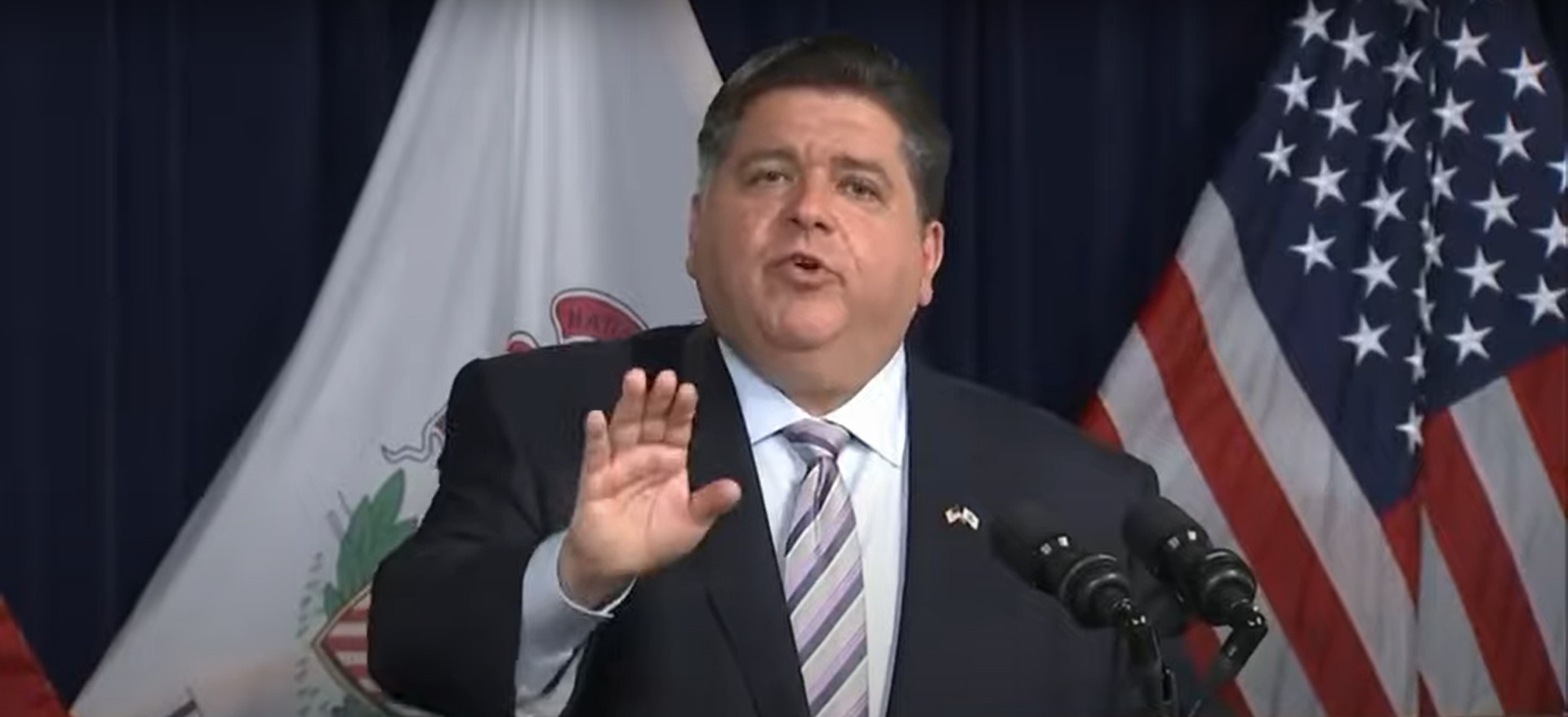
Guest host Chris Krok spoke with television writer and producer John Roberts about his recent column in The Spectator warning of the dangers posed by incendiary political rhetoric, particularly comments made by Illinois Governor JB Pritzker. Roberts, who once served on a diplomatic mission to Argentina alongside a young Pritzker during a real-life coup attempt in 1988, expressed concern that the governor’s current language could encourage mass unrest in the United States.
Roberts recounted that Pritzker, then just 23 years old, was part of a U.S. delegation that witnessed Argentina’s fledgling democracy being threatened by a military revolt. At the time, Roberts said Pritzker stood shoulder-to-shoulder with others defending democratic institutions. But today, Roberts sees a disturbing contrast in the governor’s recent comments calling for widespread disruption and protest.
The column that prompted the interview criticizes remarks Pritzker made during a speech to New Hampshire Democrats, in which he called for mobilization and mass protest, warning that Republicans “cannot know a moment of peace.” Roberts argued that such statements are deeply irresponsible, regardless of political affiliation, especially given recent incidents of politically motivated violence across the country.
Roberts pointed to a Fourth of July attack on an ICE detention center in Texas by a group of armed assailants wearing tactical gear as an example of the kind of violence this rhetoric could incite. He also cited recent protests that have blocked major transportation infrastructure in cities like Cincinnati and Los Angeles, some of which turned confrontational or destructive.
He warned of a “social contagion” effect, referencing 1960s-era research into how riots begin. In Roberts’ view, the most extreme individuals often initiate unrest, which can then escalate as others join in. Without a moderating tone from leaders, Roberts fears the U.S. could slip further into dangerous polarization and civil conflict.
Roberts also touched on a broader trend he called “left-wing authoritarianism,” which he said is growing in academic and political circles and often targets dissent through social and cultural pressure. He expressed alarm at what he described as a growing justification for political violence among some on the far left, citing a Rutgers University study suggesting that significant numbers of left-leaning respondents found violence against figures like Donald Trump or Elon Musk at least somewhat justifiable.
The conversation closed on a sobering note. Drawing on his firsthand experience in Latin America, Roberts warned that polarization, unchecked, can lead democracies toward chaos, even authoritarianism. He argued that more responsible leadership is needed—particularly among progressive Democrats—to avoid pushing the country further into conflict.
Roberts’ latest book, Reagan’s Cowboys: Inside the 1984 Re-election Campaign’s Secret Operation Against Geraldine Ferraro, is available now.