




Economist and author John Tamny joined Chicago’s Morning Answer to share histake on Federal Reserve policy, the latest tax proposals in Congress, and the broader implications of America’s fiscal direction. Tamny, editor of RealClearMarkets and author of The Money Confusion, pulled no punches in a wide-ranging discussion with Dan Proft and Amy Jacobson.
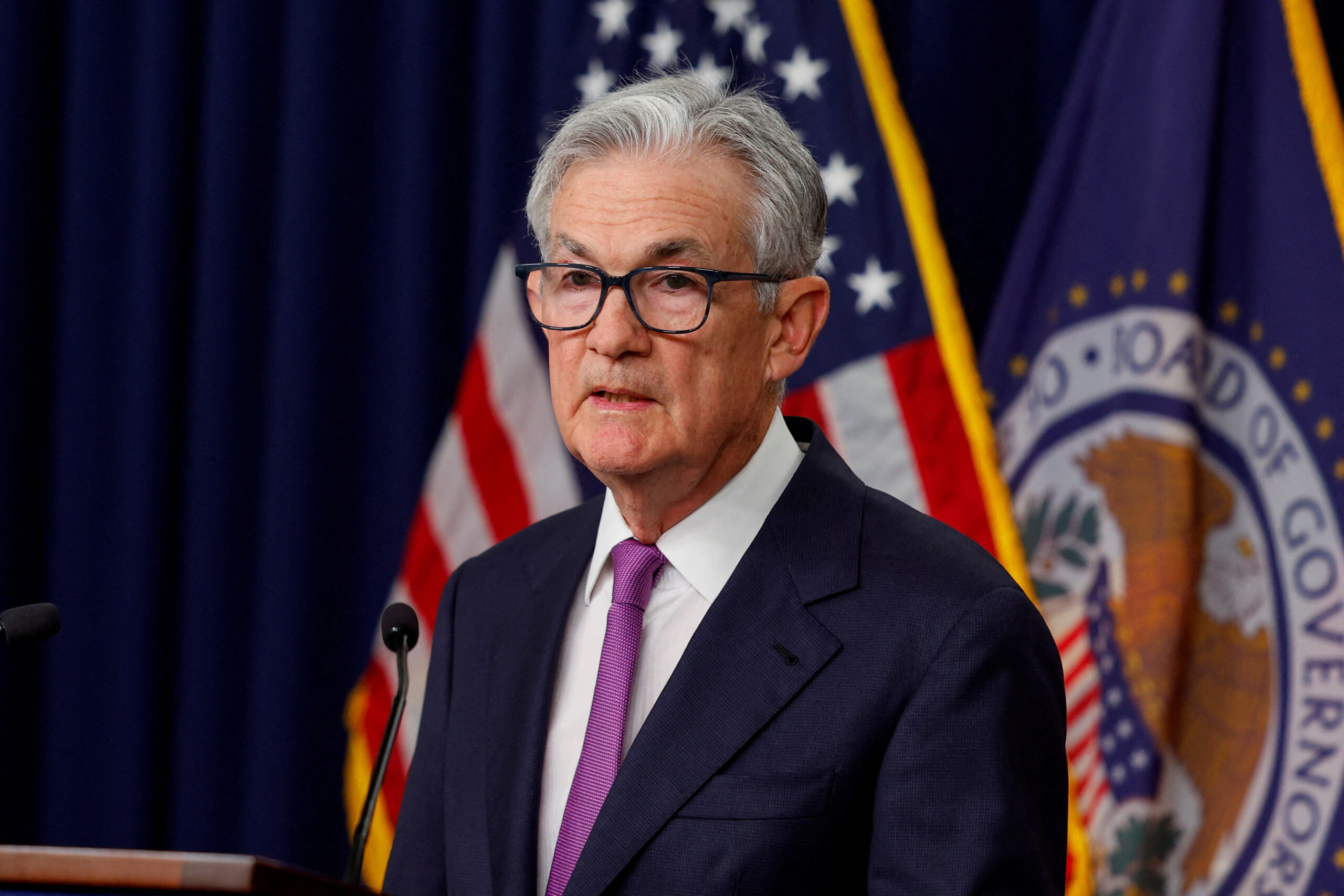
The conversation began with Tamny reacting to Fed Chairman Jerome Powell’s recent comments on interest rates and inflation forecasting. Powell said the Fed would hold rates steady and acknowledged the difficulty of predicting economic trends, suggesting the need for “humility” in policymaking. Tamny dismissed the notion that the Federal Reserve can meaningfully influence prices through interest rate adjustments, calling it “not serious.” He argued that prices are determined by global cooperation and production, not by central planning.
Tamny was equally critical of the broader premise of the Federal Reserve itself. He emphasized that monetary policy, specifically the value of the dollar, does matter—but noted that the dollar’s value has historically been set by political decisions, not the Fed. He pointed to the devaluations under Presidents Franklin Roosevelt and Richard Nixon as prime examples of the White House overriding the central bank. In his view, the Fed’s true influence has always been overstated, and efforts like auditing the Fed amount to little more than symbolic gestures.
On fiscal policy, Tamny was skeptical of the much-discussed tax legislation making its way through Congress, dubbed by some Republicans as the “Big Beautiful Bill.” While many in the media characterize it as a giveaway to the rich, Tamny argued it’s largely a tax cut for the middle and lower classes—something he views as politically popular but economically misguided. He explained that middle-class tax cuts are more likely to fund consumption rather than investment, which limits long-term economic growth. In contrast, Tamny believes that real growth comes from capital investment, which is more likely to come from high-income earners.
Tamny also took aim at bipartisan support for limiting state and local tax (SALT) deductions. He argued that restricting SALT deductions leads to more money flowing to Washington, D.C., centralizing power and spending at the federal level. Instead, he said, taxation should be concentrated at the state and local levels, where voters can better hold politicians accountable and contain the damage of poor policies. According to Tamny, punishing high-tax states like Illinois or California by restricting deductions might feel satisfying, but it ultimately fuels federal overreach.
While some provisions in the tax bill—like exempting tips or overtime pay from taxation—might offer relief to working Americans, Tamny cautioned against viewing them as growth engines. He supported the idea of lowering taxes in any form but reiterated that meaningful economic expansion comes from incentivizing investment, not consumption.
When asked which version of the bill he preferred, Tamny leaned slightly toward the House version for its attempt to lift SALT deduction caps. However, he said both versions fall short of promoting real growth and fiscal responsibility. He emphasized that more tax revenue doesn’t reduce the national debt—it fuels it. According to Tamny, the ever-expanding federal budget is a symptom of too much revenue, not too little.
Throughout the interview, Tamny returned to his core belief: government should be smaller, closer to the people, and less involved in manipulating markets. He argued that politicians of all stripes tend to grow government when given the opportunity and that lasting reform requires a fundamental shift in where and how taxes are collected.
With his usual mix of economic insight and biting humor, Tamny closed by reminding listeners that while tax cuts are good, real prosperity depends on policy that favors growth—not just redistribution.Tools