




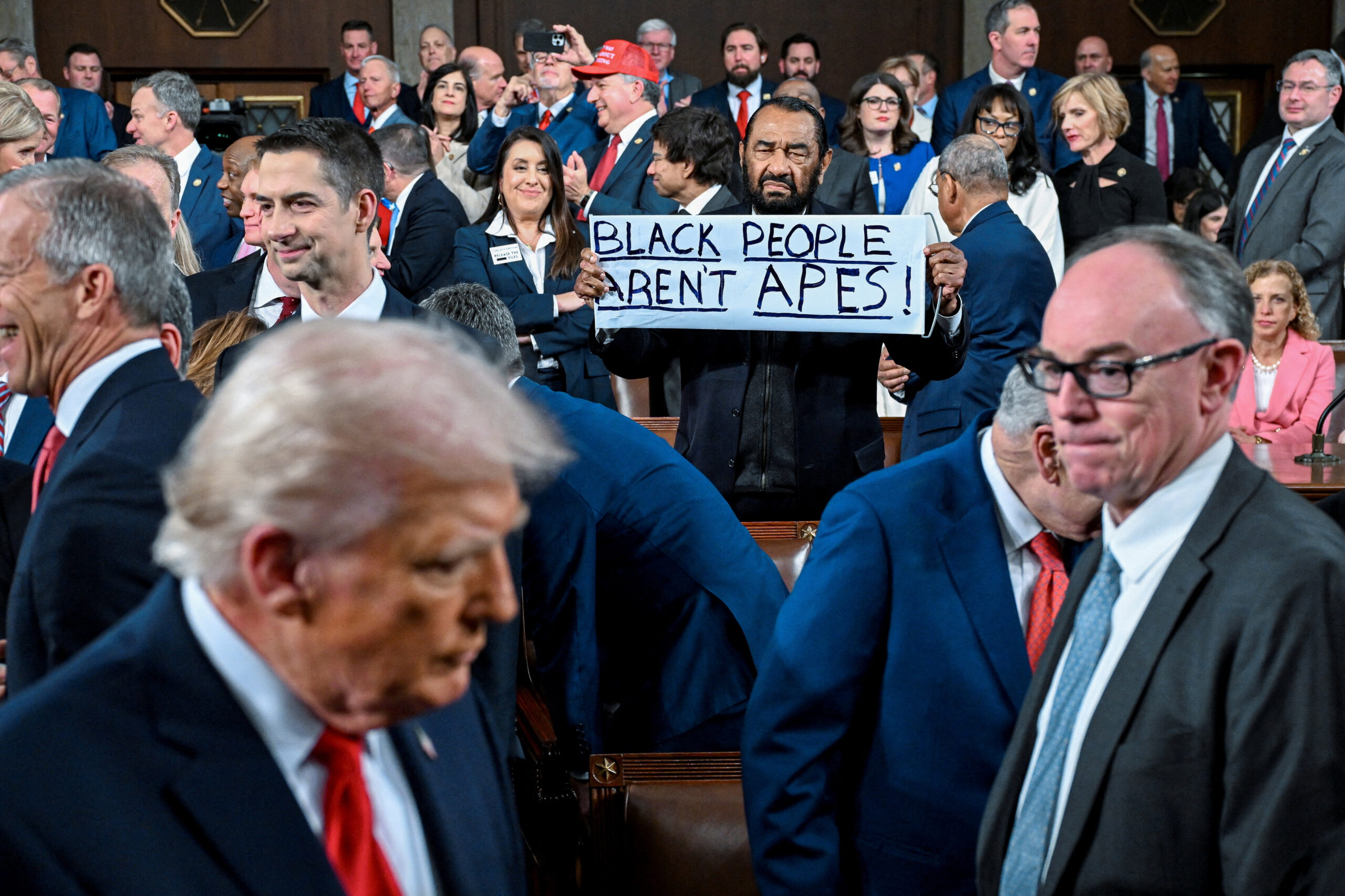
President Trump’s State of the Union address covered trade, immigration, economic growth, and national security, but one topic that received less attention was school choice — an issue that has increasingly drawn bipartisan interest in some states. That omission set the stage for a broader discussion about race, politics, and coalition-building during a recent segment of Chicago’s Morning Answer.
Dan Proft was joined by Fox News senior political analyst Juan Williams, whose new book, New Prize for These Eyes: The Rise of America’s Second Civil Rights Movement, explores shifting racial dynamics in American politics.
Williams argued that despite record levels of Black representation in public office, the nation remains deeply polarized along racial lines. He noted that since the passage of the Civil Rights Act and Voting Rights Act in the mid-1960s, a majority of white voters have not supported a Democratic presidential candidate. That political realignment, he said, remains central to understanding contemporary divisions.
Proft challenged Williams’ framing, pointing to school choice initiatives and other policy efforts — including federal support for historically Black colleges and universities and criminal justice reforms — as evidence that some Republican policies aim to expand opportunity across racial lines. He questioned whether racial polarization can be attributed primarily to one party and argued that political identities increasingly align with values and economic interests rather than race alone.
Williams countered that racial politics have long shaped party coalitions and that rhetoric matters as much as policy. He cited past controversies involving President Trump’s statements and social media activity as factors that reinforce racial divisions and harden partisan alignments. In his view, such messaging makes it difficult to build durable cross-racial alliances, even when policy overlap exists.
The exchange turned to education reform, where both men expressed support for expanding school choice options. Williams acknowledged that many low-income minority students remain in underperforming, heavily segregated public schools and said innovation is needed. Proft agreed but argued that teachers unions and Democratic political structures often resist voucher and scholarship programs, even when minority families express support.
Williams suggested that mistrust between racial and partisan groups complicates efforts to build broader coalitions around shared priorities such as education and economic mobility. He argued that if voters across racial lines focused more on economic opportunity and less on identity-based political appeals, it could transform the national political landscape.
Proft contended that moving beyond race requires shifting the conversation toward universal opportunity and policy outcomes rather than historical grievance narratives. He maintained that school choice and economic growth initiatives could serve as unifying issues if political leaders emphasized common interests.
Despite their disagreements, both men expressed interest in finding areas of common ground. Williams said he believes a coalition centered on economic advancement and educational reform could potentially bridge racial divides if political rhetoric becomes less inflammatory.
The conversation underscored a persistent tension in American politics: whether racial polarization is primarily driven by policy differences, historical realignment, or political messaging. As debates over education, economic growth, and trade policy continue, the question of whether a cross-racial governing coalition is achievable remains unsettled.
Williams’ new book argues that the next phase of civil rights politics will hinge less on representation alone and more on whether Americans can move beyond entrenched partisan and racial categories to build broader alliances around shared goals. Whether that shift materializes may depend on both policy choices and the tone of national leadership in the years ahead.