




A lesser-known but potentially significant dimension of the U.S. campaign against Iran may lie not only in military strikes but in the global insurance markets that underpin international trade, according to former Deputy National Security Adviser K.T. McFarland.
Speaking on Chicago’s Morning Answer, McFarland said the Trump administration’s response to concerns about maritime insurance coverage in the Persian Gulf reflects a broader strategic effort to secure global shipping lanes while reshaping the economic balance of power in international trade.
The issue emerged after analysts noted that the London insurance market, particularly Lloyd’s of London, underwrites a large portion of global marine cargo coverage. Because nearly 90 percent of world trade travels by sea, insurers play a critical role in determining whether shipping routes remain viable during times of conflict.
If underwriters withdraw coverage or deem a region too risky to insure, global shipping can effectively halt regardless of military conditions. That risk prompted discussion among industry observers that uncertainty in the Gulf could ripple through the global insurance system.
President Donald Trump responded by announcing that the United States Development Finance Corporation would offer political risk insurance and financial guarantees for maritime trade passing through the region, particularly energy shipments moving through the Strait of Hormuz. The administration also signaled that the U.S. Navy could escort commercial tankers if necessary to ensure uninterrupted transit.
McFarland said the move echoes actions taken during the Reagan administration when the United States reflagged and escorted tankers during the Iran–Iraq war to maintain freedom of navigation in the Gulf.
“The insurance industry drives global shipping, and global shipping drives energy and manufacturing,” McFarland said, describing the decision as strategically important for stabilizing markets.
She also argued that the policy could challenge Britain’s longstanding dominance in global insurance markets by shifting portions of that business to U.S.-backed institutions. If American guarantees become the preferred coverage for shipping through conflict zones, she said, it could reshape financial power within international trade.
Beyond the economic implications, McFarland said the military campaign itself reflects a methodical strategy that dates back to Trump’s first administration. She pointed to early decisions to strengthen ties with younger leaders in Gulf states, an approach that helped lead to the Abraham Accords and closer regional cooperation with Israel.
That groundwork, she said, has left Iran increasingly isolated as the current conflict unfolds. Countries that once maintained cautious relations with Tehran now find their interests aligned with the United States and Israel in countering Iranian influence.
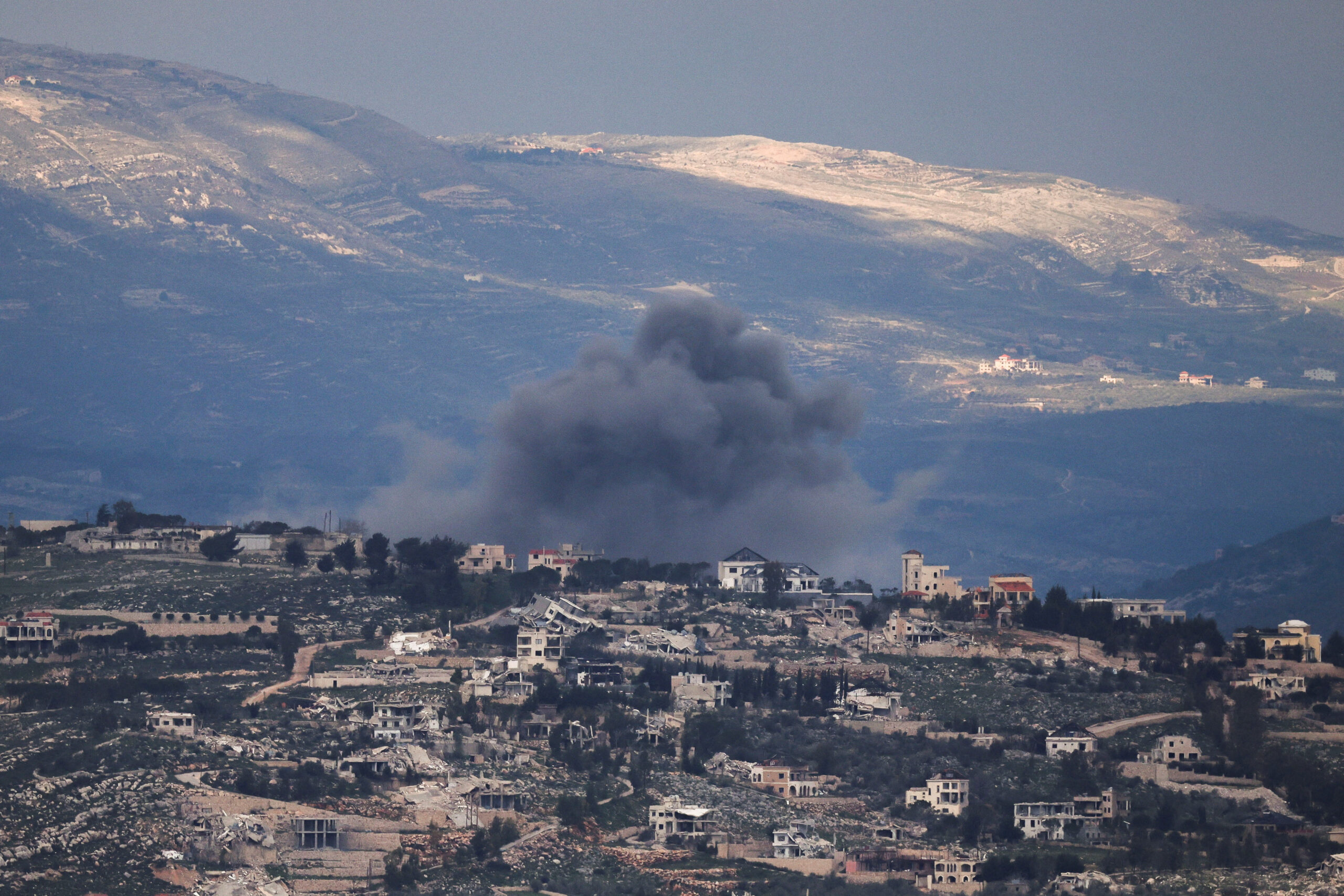
Militarily, McFarland said the strikes have left Iran with limited defensive capabilities. According to her assessment, Iranian air defenses have been largely neutralized, allowing U.S. and Israeli forces to operate with air superiority while systematically targeting missile production facilities, command centers, and military infrastructure.
Iran retains a significant stockpile of missiles, she noted, which it has used for retaliatory attacks, including strikes on civilian areas. However, she said the country’s ability to sustain long-term offensive operations has been diminished by the destruction of key launch and manufacturing facilities.
McFarland acknowledged that the campaign carries risks. One potential concern is the finite supply of anti-missile defenses used to intercept Iranian launches. Another uncertainty is whether the Iranian Revolutionary Guard Corps will fracture under pressure or continue fighting despite leadership losses.
She suggested that President Trump’s offer of amnesty to Iranian military personnel who lay down their arms could encourage defections within the regime’s security apparatus.
“If you’re in the IRGC and you see your leadership being destroyed, you have to decide whether you want martyrdom or survival,” she said.
Another factor shaping the global consequences of the conflict is energy supply. China has relied heavily on discounted oil imports from Iran, Venezuela, and Russia to fuel its manufacturing economy. McFarland argued that U.S. actions targeting those energy flows could disrupt Beijing’s access to cheap fuel.
By contrast, she said the United States is positioning itself to expand influence over global energy markets, particularly as demand for electricity rises with the expansion of artificial intelligence and advanced computing technologies.
“This is about energy dominance,” McFarland said, referencing Trump’s long-standing emphasis on controlling global energy supply rather than simply achieving domestic independence.
Responding to critics who argue the conflict does not directly serve American interests, McFarland said preventing Iran from acquiring nuclear weapons remains the central objective.
A nuclear-armed Iran, she argued, would pose an existential threat by combining atomic weapons with long-range missile technology capable of striking the United States or coercing American allies.
“The goal is to stop Iran’s nuclear program and the leadership that is determined to build it,” she said.
Whether the current campaign succeeds in eliminating that capability will depend on developments in the coming weeks. For now, the administration appears focused on continuing its strikes while maintaining global trade flows and reinforcing alliances that have gradually isolated Tehran on the world stage.