




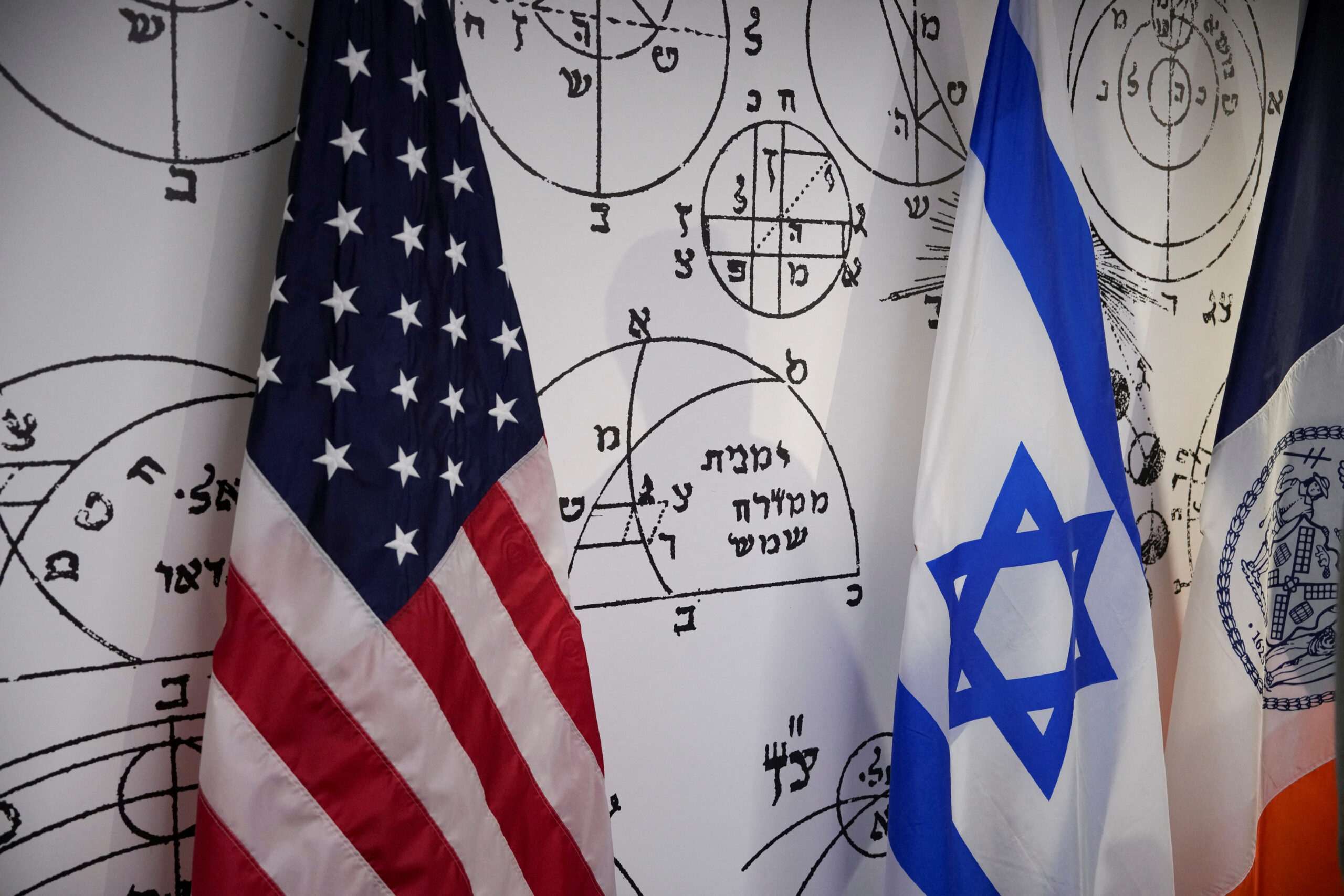
Dan Proft and guest Liel Leibovitz, editor-at-large for Tablet and host of the Rootless podcast, tackled the humanitarian crisis in Gaza, growing antisemitism in American political discourse, and what Leibovitz described as a dangerous realignment of both the left and right against Jewish people and Israel.
The conversation began with criticism of humanitarian aid delivery to Gaza amid the ongoing conflict with Israel. Leibovitz questioned the logic of demanding Israel provide large-scale aid to a territory controlled by a group—Hamas—actively engaged in a war to eliminate the Israeli state. Drawing comparisons to World War II, he asked whether the United States would have been expected to airdrop supplies to Nazi-controlled Dresden in the middle of the war.
While major humanitarian organizations, such as Doctors Without Borders, have accused Israel of causing mass starvation and creating unsafe conditions for aid delivery, Leibovitz contended that many of these same groups have been compromised by political agendas and, in some cases, tacit coordination with Hamas. He noted that a significant portion of aid entering Gaza is either unused, stolen, or used for propaganda purposes—pointing to an example of a neurologically ill child whose photo was misrepresented by Hamas as evidence of Israeli war crimes.
Leibovitz argued that a permanent ceasefire and unrestricted aid would do nothing to change Hamas’s goal of destroying Israel. Instead, he asserted that the only path to peace would be the full surrender of Hamas and the release of the hostages still held in Gaza.
The discussion then pivoted to a broader critique of antisemitism on both ends of the political spectrum. Leibovitz referenced his recent article in First Things, where he claimed that growing factions on both the left and right have united in their scapegoating of Jews. He pointed to progressive movements in major cities and rising voices on the populist right as examples, naming figures like Tucker Carlson and Steve Bannon as particularly troubling.
Leibovitz warned that while much of the left’s antisemitism is open and institutionalized—such as the embrace of BDS policies and pro-Hamas protest movements—segments of the right have begun to adopt conspiratorial views, including the idea that Jeffrey Epstein was an agent of the Israeli intelligence service Mossad. He labeled such claims modern variations of classic antisemitic tropes.
Referencing a Tablet piece by journalist Lee Smith, Proft highlighted allegations that Steve Bannon had recorded hours of interviews with Epstein but never released them—suggesting Bannon may have fabricated the spy theory for political reasons. Leibovitz agreed, calling the theory “preposterous” and drawing parallels to the infamous Protocols of the Elders of Zion, a 19th-century Russian forgery that spread antisemitic conspiracy theories across Europe.
Throughout the interview, Leibovitz stressed that what many portray as anti-Israel sentiment is often just a front for deeper anti-Americanism. He argued that groups aligned with Hamas aren’t just protesting Israeli policies—they are targeting American institutions, holidays, and cultural symbols, as evidenced by attempts to disrupt events like the Thanksgiving Day Parade and Christmas tree lightings.
He closed with a warning: while internal ideological battles continue, the real threat comes from actors—foreign and domestic—who seek to dismantle Western civilization by turning Americans against each other, using Israel as a wedge. He praised Donald Trump for understanding this broader conflict and urged future Republican leaders to recognize and resist these efforts.
Leibovitz’s appearance offered a stark reminder of how Israel-related debates have become deeply entangled in America’s own political and cultural divides, with consequences far beyond the Middle East.