




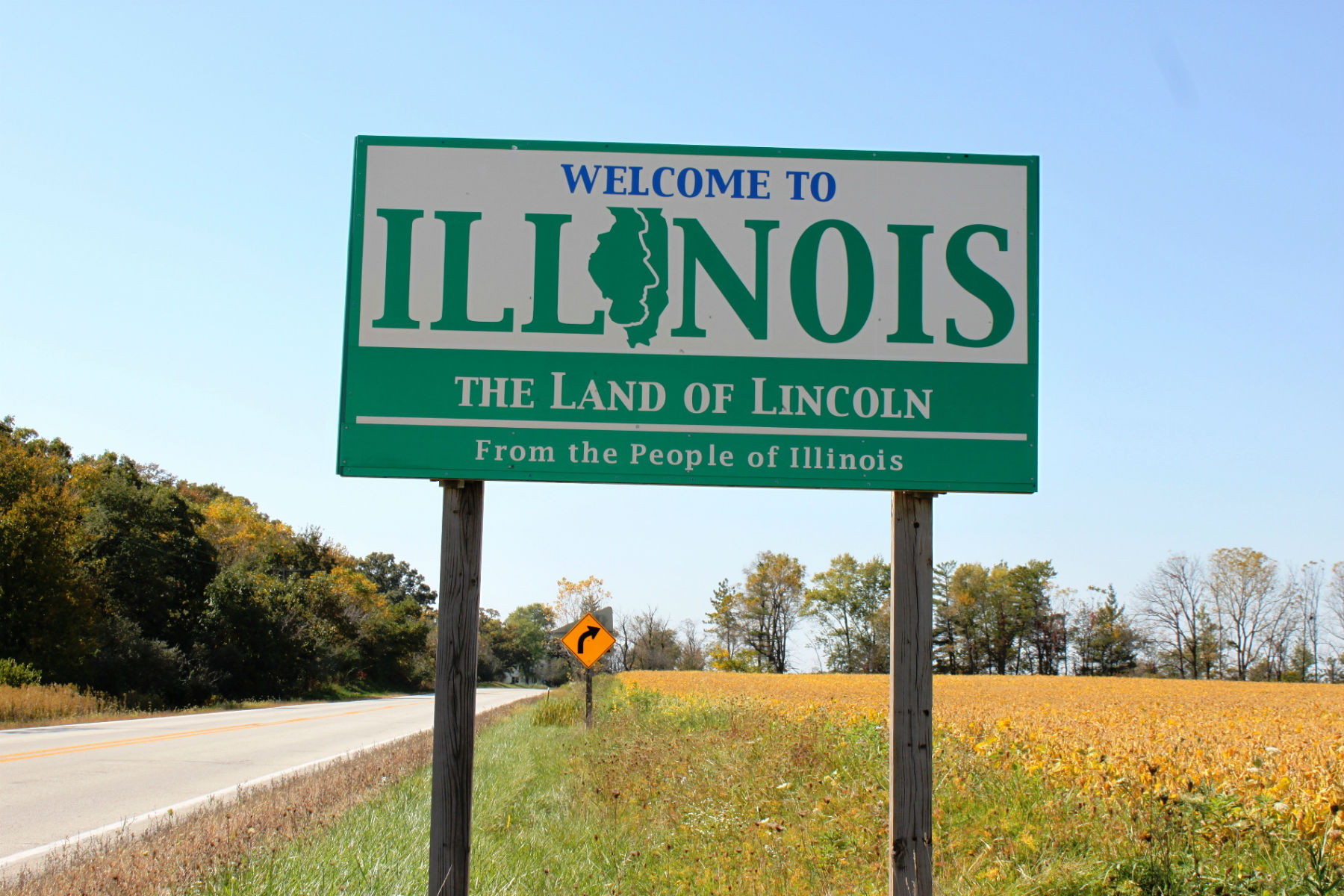
Illinois policy analyst Mark Glennon, founder of Wirepoints, joined Chicago’s Morning Answer with Dan Proft to discuss the state’s growing disconnect between political rhetoric and reality—particularly on immigration enforcement, governance, and economic confidence.
Proft opened the conversation by addressing the controversy surrounding a recent ICE operation at a suburban daycare, where political leaders, including Congressman Mike Quigley, accused federal agents of targeting immigrants “in front of children.” DHS later clarified that the suspect—a Colombian national—fled into the facility while evading arrest. Glennon said the local media’s coverage of such incidents reflects a deeper pattern of ideological spin. “When you have so-called ‘legal observers’ suggesting that ICE created a dangerous environment by enforcing the law, you see how inverted the narrative has become,” he said. “It’s astonishing that violence or obstruction gets excused when it fits the progressive script.”
Glennon connected the episode to what he described as a broader erosion of civic norms and a growing hostility toward Western values. “We are playing for all the marbles now,” he said. “This is a full-on ideological revolution—call it Marxist, call it whatever you want—and it’s turning increasingly aggressive. It’s an attack on the foundational principles of a democratic republic.”
The Wirepoints founder recalled covering a Marxist educators’ convention in Chicago more than a decade ago, saying it revealed the early stages of what has now become mainstream. “Back then, it was mostly Chicago teachers openly talking up communism, and no one batted an eye,” he said. “Now that mindset has metastasized through institutions and government. It’s not fringe anymore.”
Glennon also agreed with Proft’s assessment that the state’s economic malaise feeds ideological polarization. Referencing investor Peter Thiel’s recent interview with The Free Press, Glennon said young people’s growing disillusionment with capitalism stems from legitimate economic grievances. “Thiel’s right that if people can’t afford housing, can’t build wealth, and are buried in student debt, they’re going to turn against the system,” he said. “We’re living through a new gilded age—and if policymakers keep ignoring that frustration, they’ll drive more people into the arms of socialism.”
The discussion turned to billionaire Ken Griffin’s recent remarks contrasting Chicago’s pessimism with Miami’s optimism. Glennon said Griffin’s observations about the difference in civic culture mirror what Wirepoints hears from readers who have left Illinois. “A third to half of our readers live out of state, and they all say the same thing,” he said. “In South Carolina or Florida, people talk about opportunity and progress. In Chicago, every lunch conversation is about corruption, crime, and failure. It’s draining.”
Glennon said this cultural decline is as damaging as the fiscal one. “There’s no sense of civic hope left here,” he said. “You can’t build a thriving community when all the energy goes into lamenting what’s broken. Illinois has become a cautionary tale of what happens when corruption, ideology, and apathy all reinforce each other.”
He closed by warning that while other states are building optimism and reform, Illinois remains stuck in a spiral of denial. “We’re not just losing taxpayers—we’re losing morale,” he said. “Until that changes, the state will keep hollowing out from within.”