




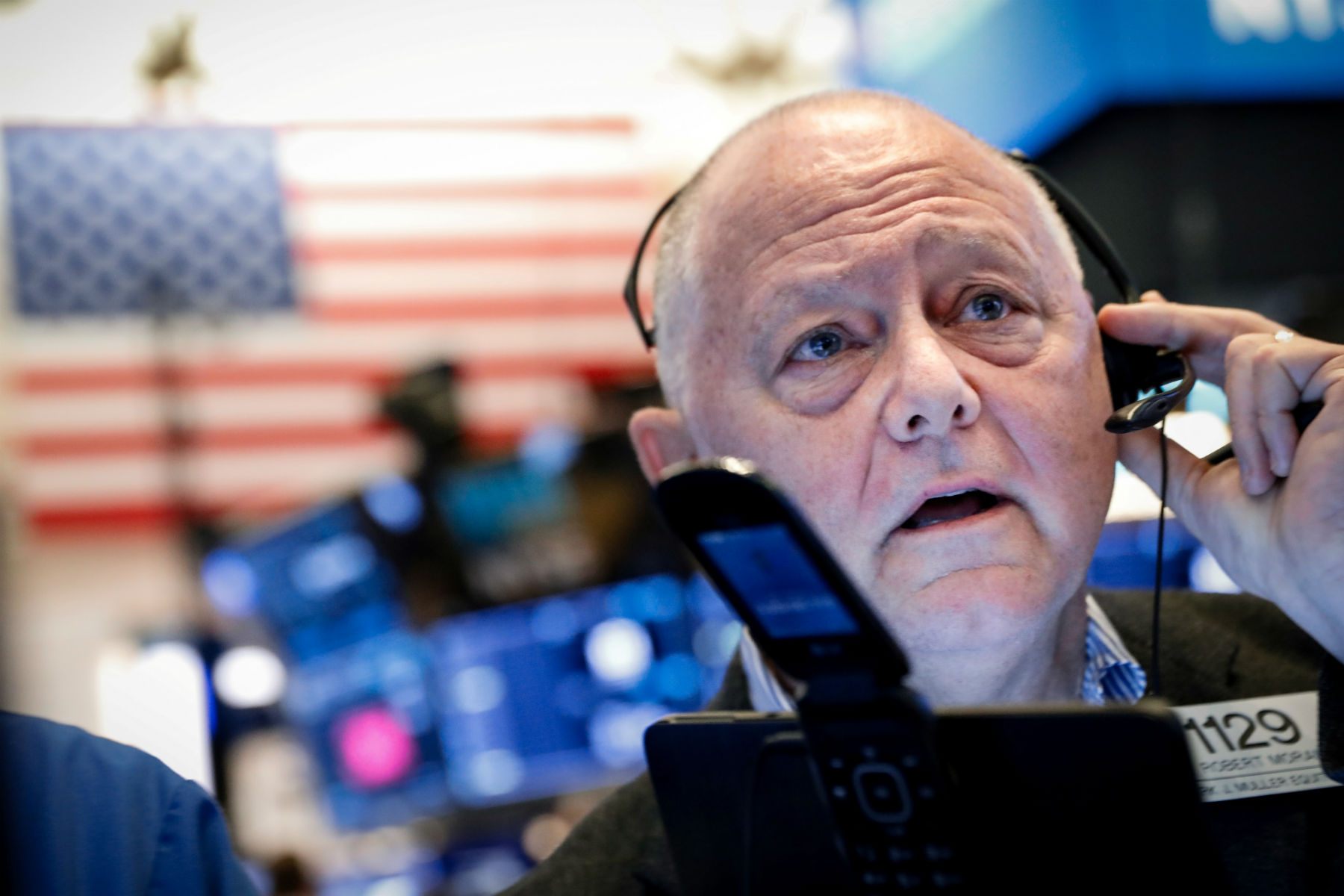
Discussion around global markets and domestic economic policy intensified following remarks at the World Economic Forum in World Economic Forum and a broader reassessment of U.S. growth under President Donald Trump. During a wide-ranging conversation, market analyst Jim Iuorio argued that a shift in regulatory tone and business confidence has played a significant role in recent economic performance, even as risks remain in housing, government spending, and financial markets.
Iuorio pointed to comments from Ken Griffin, founder of Citadel, who described a dramatic change in the business environment following the election. Griffin said the end of what he viewed as an aggressive regulatory push allowed executives to refocus on expansion rather than compliance. Iuorio said that sentiment is reflected in a sharp rise in small business optimism immediately after the election, a signal he views as economically meaningful because confidence often translates into hiring, investment, and risk-taking.
While welcoming the change in tone, Iuorio argued that the prior administration’s policies were not simply well-intended efforts that fell short, but instead consistently produced damaging second- and third-order effects. He cited examples such as wage mandates and regulatory burdens that raised costs and reduced employment opportunities, saying these outcomes were predictable rather than accidental. In his view, the most important economic improvement so far has been the cessation of regulatory expansion, though he said meaningful deregulation still needs to accelerate.
Housing policy emerged as a central concern, particularly the sharp rise in mortgage rates from historic lows to levels not seen in decades. Iuorio said that rapid increase effectively froze the housing market by discouraging existing homeowners from selling, locking up supply and pushing prices higher. He acknowledged the administration’s populist rhetoric aimed at large institutional buyers of single-family homes but argued that a better solution would be leveling the tax and financing advantages those firms enjoy, rather than outright bans that could distort the market.
Looking ahead to financial markets, Iuorio described what he sees as a rotation rather than an imminent collapse. He noted that while major technology and artificial intelligence stocks have faced corrections, the broader market has remained resilient, with gains spreading into industrials, energy, and commodities. He said that rising prices in metals such as copper and silver reflect both AI-related demand and broader concerns about inflation and infrastructure needs.
On digital assets, Iuorio said cryptocurrencies continue to trade largely as risk assets rather than true hedges against inflation or fiscal mismanagement. While acknowledging long-term interest in Bitcoin as a store of value, he said precious metals and real assets are currently serving that role more clearly as investors respond to persistent government deficits and debt accumulation.
Throughout the discussion, Iuorio returned to what he views as the central risk of the current era: unchecked government spending. He warned that international examples, including stress in sovereign bond markets abroad, should serve as cautionary signals for U.S. policymakers. While optimistic about near-term economic momentum driven by reshoring and investment, he said long-term stability will depend on whether fiscal discipline accompanies regulatory restraint.