




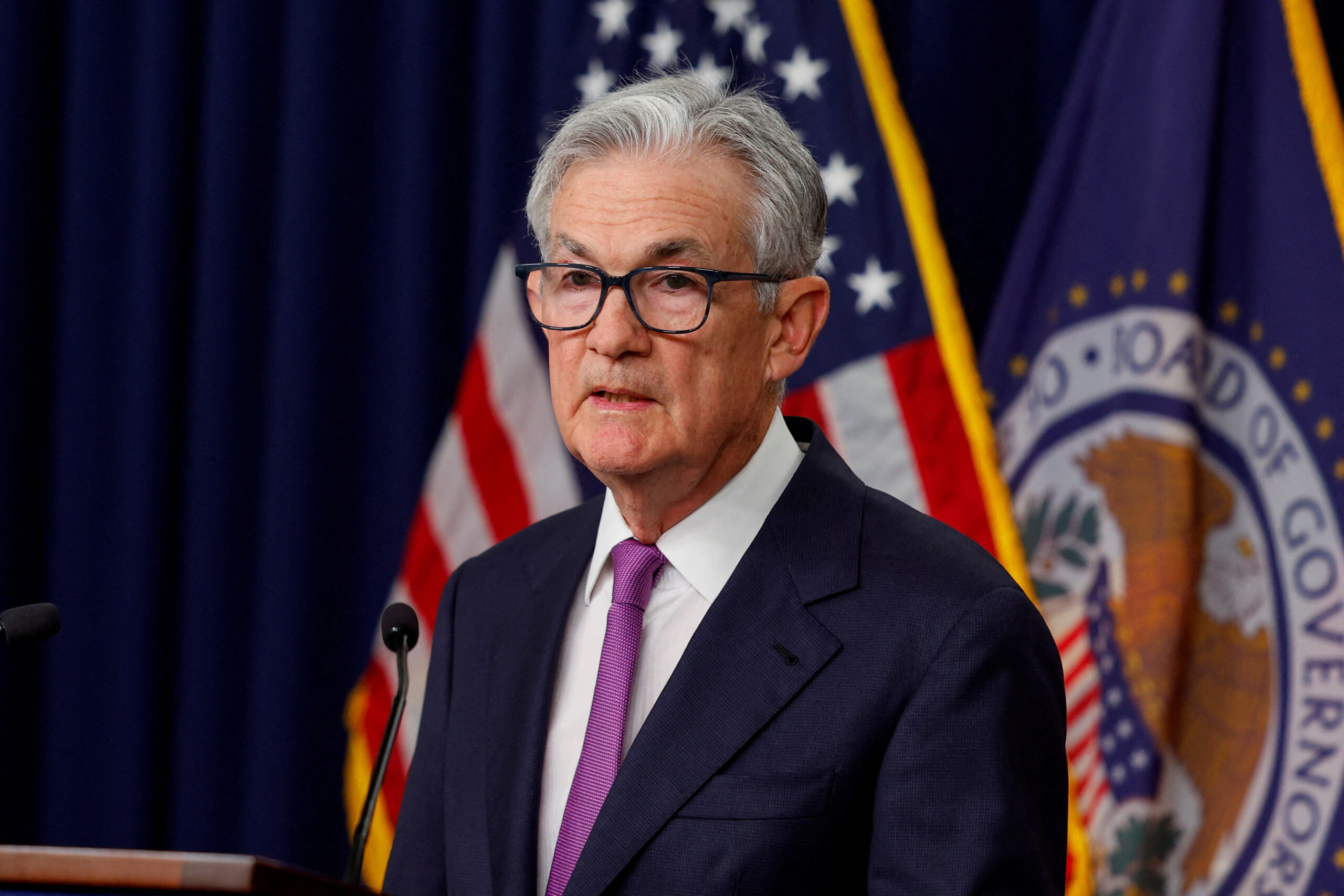
Financial markets showed renewed volatility following reports that the Department of Justice has issued subpoenas related to the Federal Reserve and its leadership, raising questions about the future of Chairman Jay Powell and the long-debated independence of the central bank. The inquiry reportedly centers on testimony to Congress concerning a multibillion-dollar renovation of Federal Reserve office buildings, a project that has drawn criticism amid persistent inflation pressures and public skepticism toward federal spending.
The development prompted immediate concern on Wall Street, where investors are sensitive to any signal that monetary policy could become more overtly politicized. Powell warned that pressure or intimidation aimed at the Fed risks undermining evidence-based decision-making, but critics counter that the institution has long operated as a political actor despite its formal independence. The controversy arrives as former President Donald Trump renews attacks on the Fed’s size, budget, and forecasting record.
Market strategist James Perry of Perry International Capital Partners said the clash makes for dramatic headlines but is unlikely to materially affect the economy or markets. He argued that the bond market, not the Federal Reserve, ultimately sets interest rates, and that the Fed’s predictive track record places it among the weaker economic forecasters globally. In Perry’s view, the renovation controversy underscores broader frustrations with what he described as excessive government scale rather than a genuine threat to financial stability.
Attention also turned to Trump’s call for a cap on credit card interest rates, a proposal that drew swift criticism from banks while resonating with households squeezed by higher prices. Perry said the move reflects mounting pressure on middle-class consumers whose cost of living has risen sharply since the pandemic, even as asset owners benefit from strong equity markets. He noted that while the president lacks authority to impose such caps unilaterally, the idea signals an election-year focus on visible relief for indebted voters.
Despite the political noise, Perry expressed optimism about the broader economy and markets heading into the year. He said corporate earnings remain strong, capital continues to flow into U.S. assets, and productivity gains are reaching levels not seen in decades. While some high-profile investors are betting against large technology stocks and artificial intelligence-driven growth, Perry said earnings and revenue trends among major firms continue to justify investor confidence.
He acknowledged risks around inflated expectations for AI and the potential for weaker players to fall away as the sector matures, but argued that the overall investment pie is still expanding. With global capital seeking stability and returns, Perry said the United States remains the primary destination, supporting equities even amid political uncertainty.
As investigations, campaign proposals, and market speculation converge, investors appear caught between short-term anxiety and longer-term fundamentals. For now, the clash between Washington politics and monetary policy has added drama to the headlines, but market participants continue to focus on earnings, growth, and capital flows as the ultimate drivers of performance.