




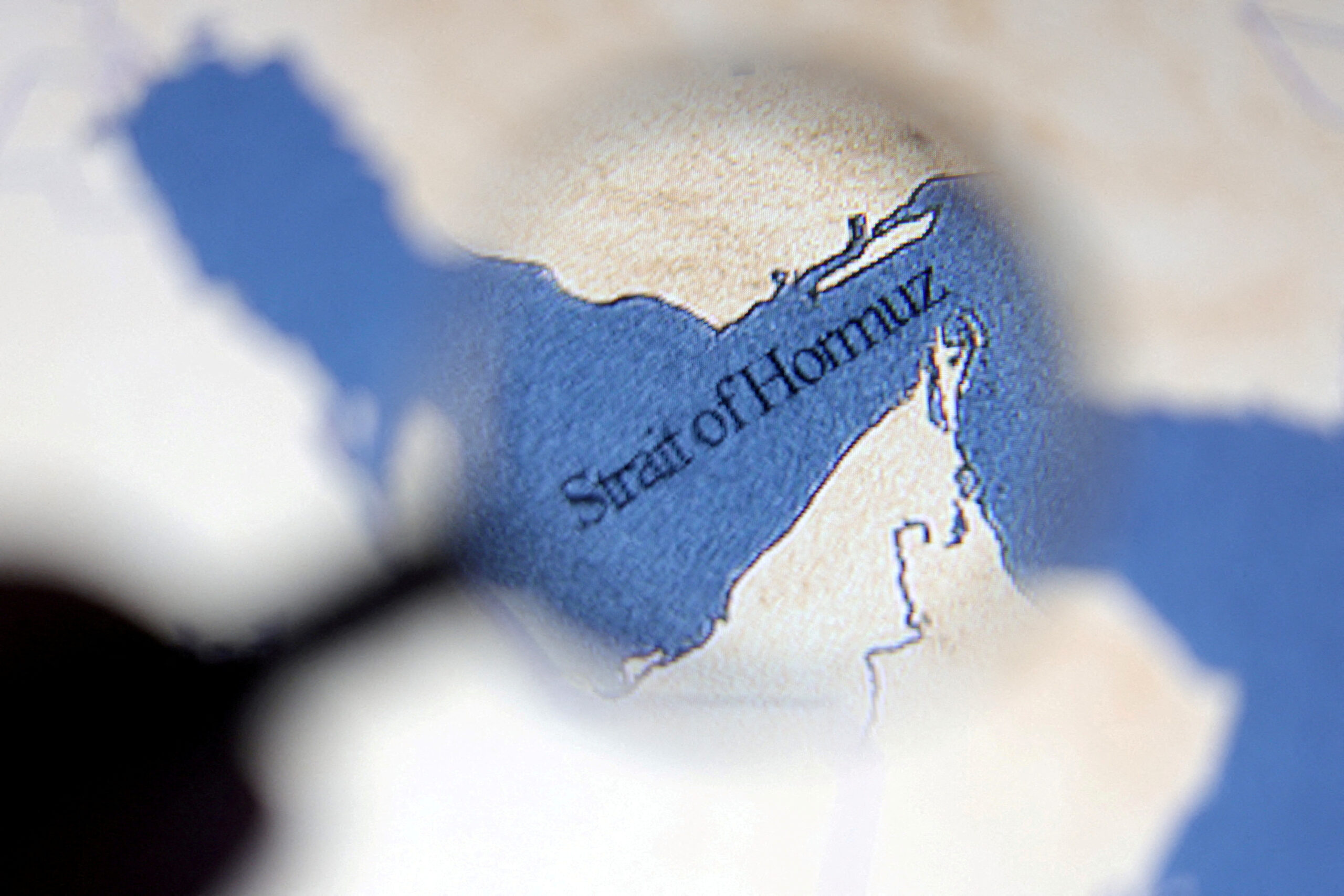
As the U.S. military campaign against Iran continues to show measurable battlefield success, questions are mounting in Washington about how the conflict should conclude and what strategic objectives the United States ultimately hopes to achieve.
Foreign policy analyst Daniel DePetris said recent operations have significantly degraded Iran’s military capabilities, noting that a large share of the country’s missile infrastructure and command systems have been destroyed. By traditional military metrics, he said, the campaign has been effective.
“Judged by military metrics, the war is obviously going pretty well,” DePetris said, pointing to extensive strikes on targets across Iran and a sharp reduction in the country’s ability to retaliate.
But despite those gains, DePetris emphasized that the central question remains unresolved: what constitutes victory. He said the administration has sent mixed signals, at times suggesting the objective is limited to weakening Iran’s military, while at other moments hinting at broader ambitions such as regime change.
“The question for me is how does this end,” he said. “What is the definition of success?”
The uncertainty has fueled debate among analysts and policymakers, with some arguing that the U.S. should press its advantage further while others caution against expanding the mission beyond achievable goals. DePetris expressed skepticism that a popular uprising inside Iran is imminent, citing the lack of a unified opposition and the continued, if weakened, presence of regime security forces.
“There’s no organized democratic opposition that can take advantage of the moment,” he said, adding that while internal dissent exists, it may not be sufficient to topple the government in the near term.
Instead, DePetris suggested that the administration could choose to declare victory based on the damage already inflicted and begin withdrawing forces, an approach he said would mirror past limited engagements.
The broader geopolitical implications of the conflict are also coming into focus, particularly in relation to NATO. President Donald Trump has renewed criticism of the alliance, arguing that European partners have not contributed enough to shared security efforts, including operations tied to the Middle East.
DePetris said Trump’s frustration reflects longstanding concerns about burden-sharing within NATO, though he also noted that European reluctance to engage in the current conflict stems in part from their opposition to the war itself and their limited military capacity.
“I can see it both ways,” he said, describing a divide between U.S. expectations and European strategic priorities.
The discussion of U.S. foreign policy has also extended beyond the Middle East, with renewed attention on Cuba and the broader Western Hemisphere. DePetris characterized the administration’s approach toward Cuba as more pragmatic than ideological, focusing on economic pressure and negotiation rather than direct confrontation.
He said ongoing talks between Washington and Havana are aimed at encouraging economic reforms, including greater openness to private enterprise, while stopping short of demanding immediate political transformation.
“The strategy seems to be changing the system from within rather than trying to force change from the outside,” DePetris said.
At the same time, he noted that expectations for political liberalization in Cuba remain low, given the country’s longstanding resistance to external pressure.
The administration’s actions in both regions appear to be part of a broader effort to counter the influence of adversarial powers, including China, Russia, and Iran, particularly in the Western Hemisphere. DePetris said recent developments suggest that strategy is being implemented at an accelerated pace, though outcomes remain uncertain.
As the conflict with Iran evolves and parallel diplomatic efforts continue elsewhere, policymakers face a series of interconnected decisions about how to balance military success with long-term strategic stability. The coming weeks are likely to determine whether the current campaign is remembered as a decisive turning point or another chapter in a prolonged and complex geopolitical struggle.