




Chris Krok spoke with Stephen Bucci, a retired Army Special Forces officer and former Pentagon official, about serious allegations stemming from the Obama administration and the evolving foreign policy approach of President Donald Trump. Bucci, now a visiting fellow at the Heritage Foundation’s Allison Center for Foreign Policy Studies, addressed topics from intelligence manipulation to military deterrence against adversarial nations.
The interview opened with discussion around recent claims by former Representative Tulsi Gabbard, who released a tranche of intelligence documents suggesting that President Obama and senior officials may have manipulated intelligence reports for political ends—specifically, to undercut then-candidate Donald Trump during the 2016 election. Bucci agreed that such actions, if substantiated, were not only improper but possibly criminal. He emphasized the importance of transparency and accountability, noting that the American public deserves both the truth and consequences for any officials who may have knowingly falsified intelligence.
Bucci drew parallels to Watergate, but argued that the scale and systematic nature of these alleged actions were even more troubling. He pointed to figures like former FBI Director James Comey and former CIA Director John Brennan, suggesting they knowingly misled the public and courts. According to Bucci, such conduct represented a breach of public trust and a distortion of the role national security institutions are meant to play.
The conversation then pivoted to current geopolitical challenges, focusing on Trump’s military posture, including recent airstrikes on Iran. Bucci praised what he described as a strategic show of force designed to deter aggression from Tehran without escalating into a wider conflict. He said the use of B-2 bombers and bunker-busting munitions sent a clear message not only to Iran, but to other global adversaries like China and Russia: the U.S. under Trump is willing to act decisively.
Despite some uncertainty over Russia’s response, Bucci highlighted that neither Moscow nor Beijing stepped in to defend Iran following the strikes. He interpreted this as evidence that even major powers are hesitant to directly confront the U.S. when it acts with determination. “It’s a good message for adversaries of America to keep in mind,” Bucci said, suggesting that such displays of strength serve as effective deterrents.
On Ukraine, Bucci noted Trump’s apparent shift from urging negotiations with Russia to a more robust policy of supplying Ukraine with weapons and imposing economic pressure on Moscow. He characterized this evolution as consistent with Trump’s past behavior—starting with diplomacy, but pivoting to harder measures when faced with bad faith or inaction. He cited Trump’s threat to impose severe sanctions on Russian oil exports and the possibility of using frozen Russian assets to support Ukraine’s defense efforts.
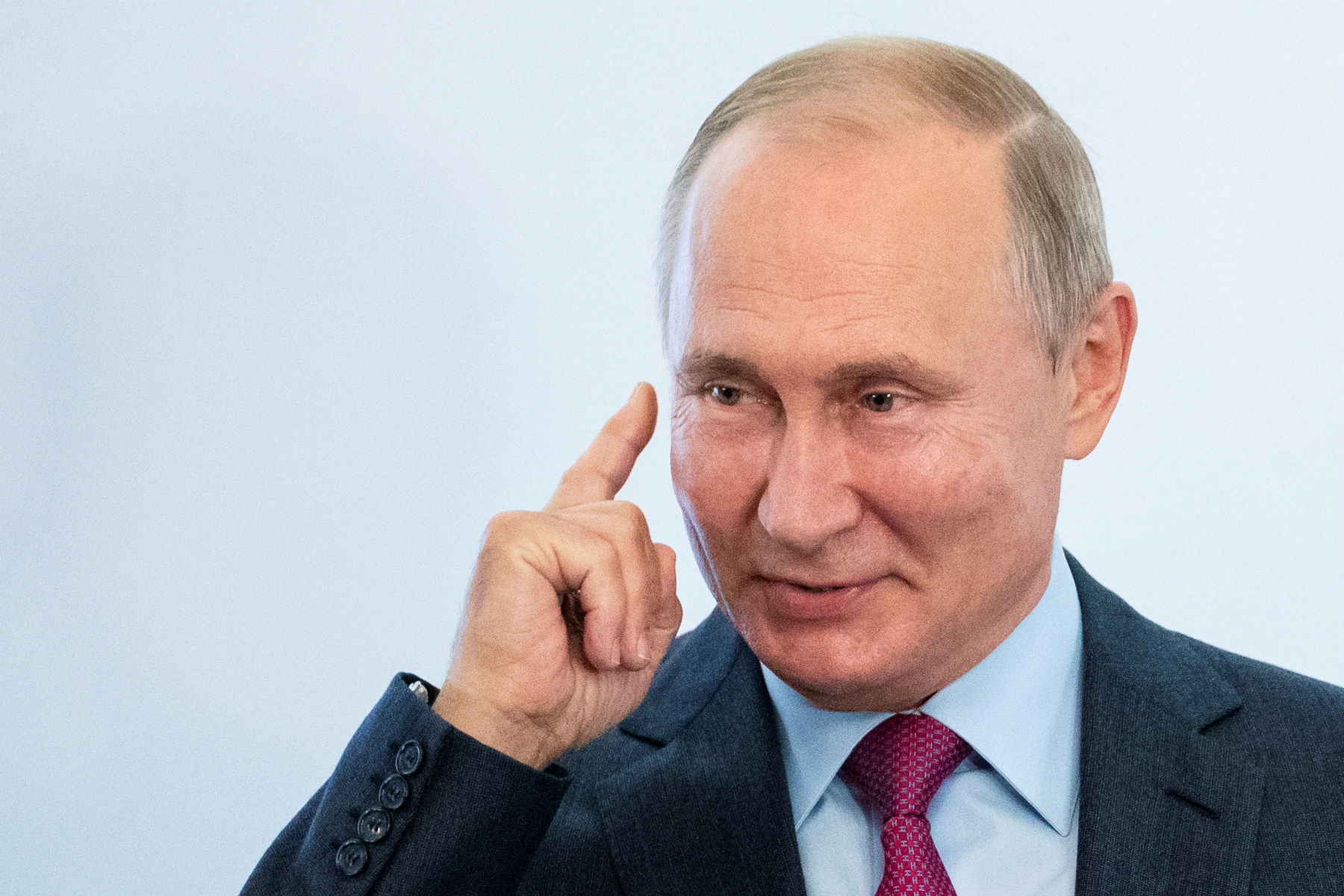
In closing, Bucci expressed skepticism that Russian President Vladimir Putin will change course voluntarily. He warned that further military action might be necessary to convince the Kremlin to negotiate in earnest.
Throughout the interview, Bucci reinforced his belief that integrity in intelligence and a credible deterrent posture are essential to both domestic trust and international stability. As political controversies from past and present administrations continue to unfold, he maintained that the path forward lies in truth, accountability, and a consistent willingness to stand firm against adversaries.