




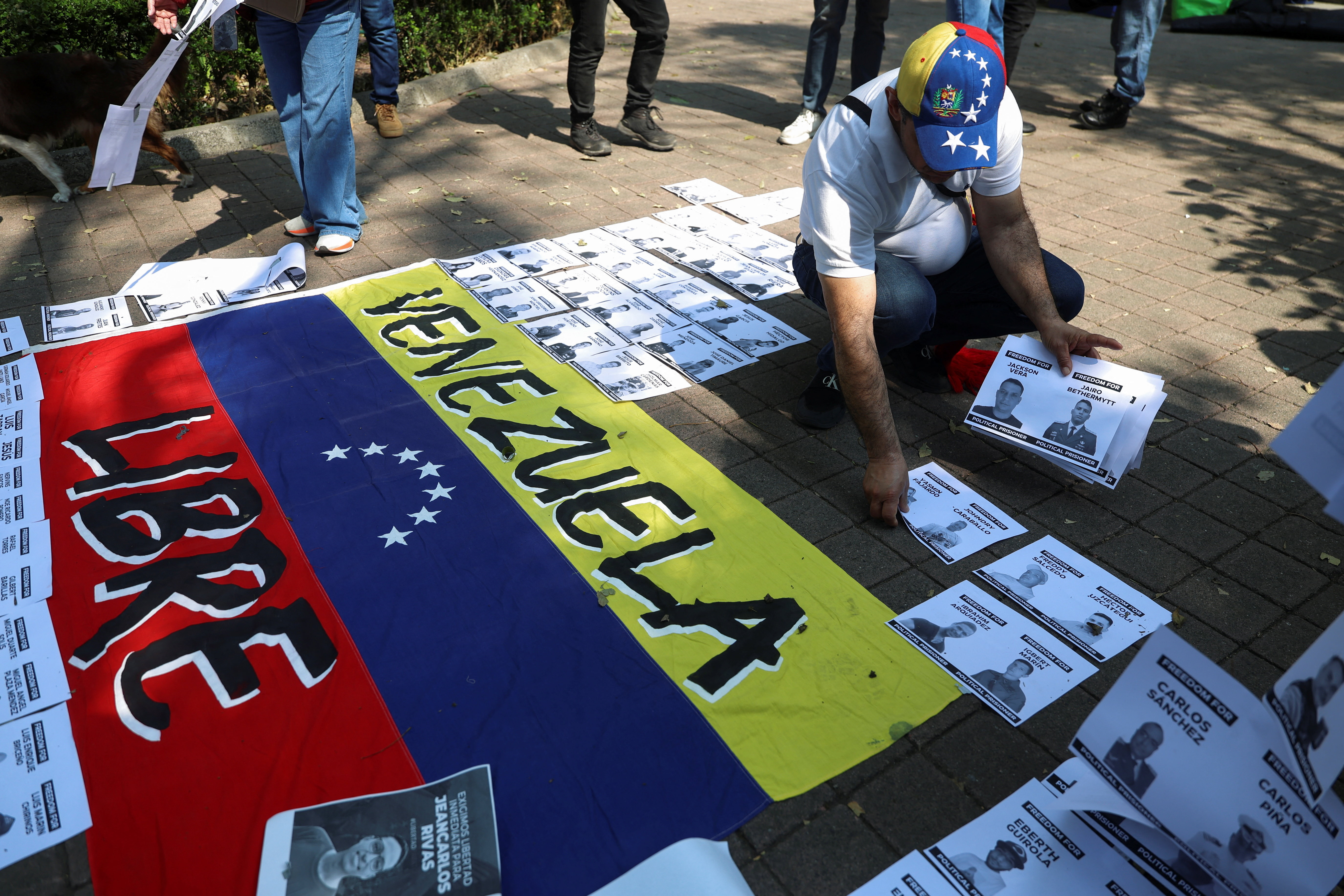
A tightening U.S. blockade on Venezuela has sharply reduced the country’s oil exports, allowing only tankers bound for the United States to leave Venezuelan ports following the extradition of Nicolás Maduro. The move has cut off crude supplies to longtime recipients such as Cuba and, more significantly, China and Iran, injecting new volatility into the geopolitics of global energy markets and prompting unexpected realignments, including Canada’s recent overtures toward Beijing as an alternative energy partner.
The unfolding situation highlights a recurring dilemma in international policy: whether control of natural resources can stabilize troubled nations or instead deepen their political and economic dysfunction. That question was central to a wide-ranging conversation with Amity Shlaes, chair of the Calvin Coolidge Presidential Foundation and a longtime scholar of economic history.
Shlaes argued that Venezuela’s experience illustrates what economists often call the “resource curse,” in which dependence on a single commodity corrodes institutions rather than strengthening them. For decades, Venezuelan leaders believed oil wealth would provide a shortcut to prosperity and stability. Instead, according to Shlaes, the country’s reliance on petroleum fostered centralization of power, erosion of property rights, and suppression of individual freedoms, leaving Venezuela vulnerable to authoritarian rule and economic collapse.
She noted that Venezuela was once widely expected to succeed, particularly during the mid-20th century when Caracas was viewed as a rising, cosmopolitan capital. Yet the concentration of wealth and power around oil revenues, combined with weak rule of law, ultimately proved destructive. Shlaes emphasized that oil itself is not inherently corrosive, pointing to countries such as the United States, Norway, and the United Kingdom, where strong legal institutions allowed energy discoveries to translate into broad-based growth. The difference, she said, lies in whether rule of law and property rights precede resource exploitation or are sacrificed to it.
The current U.S. approach, which places heavy emphasis on oil and sanctions, risks repeating past mistakes if it fails to send clear signals about governance and economic freedom, Shlaes warned. While short-term energy arrangements and regional security concerns may be unavoidable, she argued that long-term stability in Venezuela depends on restoring private property rights, ending nationalization, and allowing Venezuelans to shape their own political and economic future.
The discussion also touched on the broader implications for North America and global energy politics. Canada’s public embrace of closer energy ties with China, framed as a search for “reliable trading partners,” underscores how disruptions in one oil-producing nation can ripple outward, reshaping alliances in ways that may carry strategic risks.
Ultimately, Shlaes contended that Venezuela’s tragedy is not simply about oil, sanctions, or geopolitics, but about institutions. Without clear commitments to markets, rule of law, and individual liberty, she said, even the world’s richest natural endowments can become a source of decay rather than renewal.