




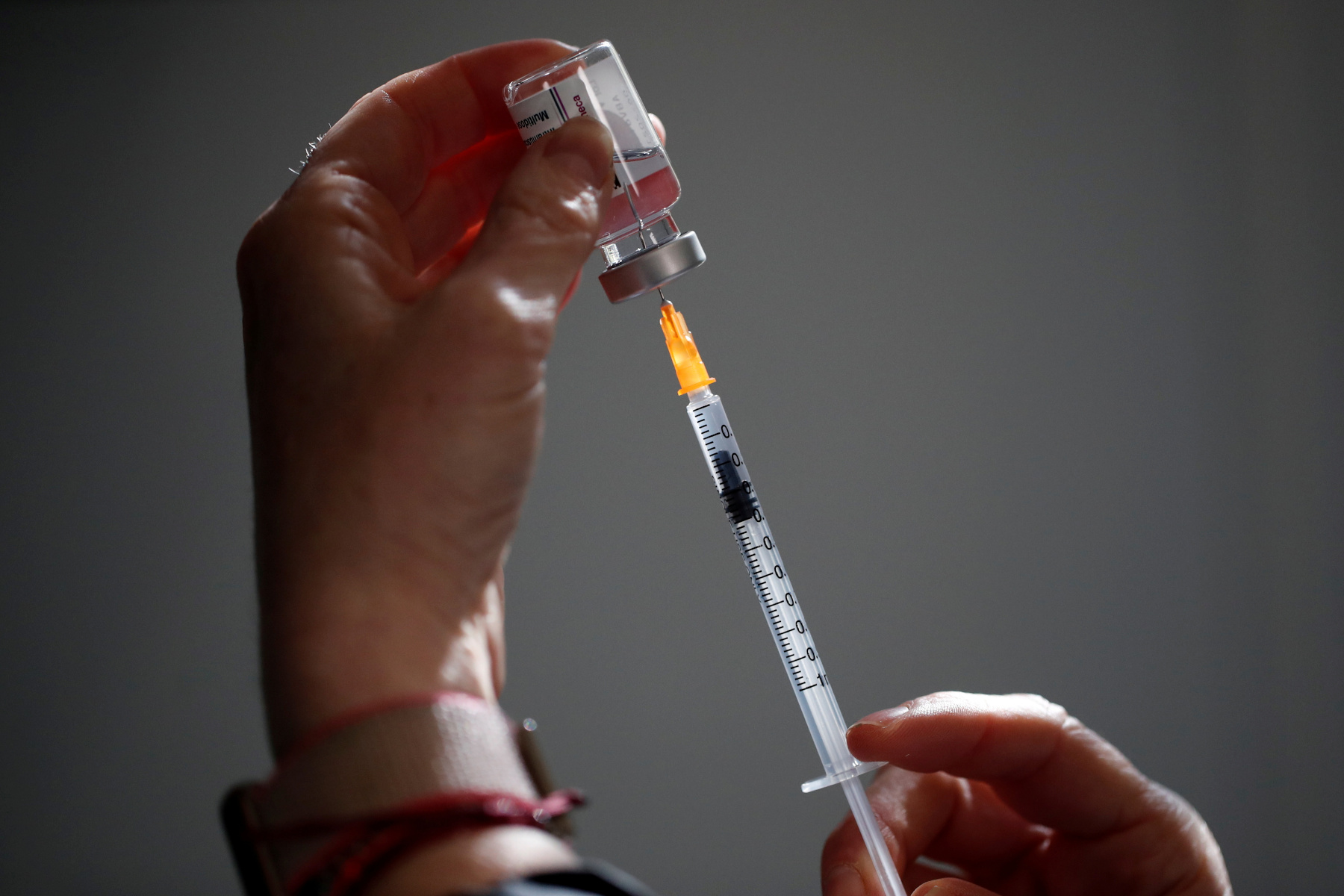
A rare admission in The Atlantic has reignited debate over vaccine safety, transparency, and the future of the U.S. childhood immunization schedule. The story, headlined “Yes, Some Children May Have Died from COVID Shots,” examined a leaked email from Dr. Vinit Prasad, the FDA’s top vaccine regulator, stating that the agency had identified at least ten children whose deaths were plausibly linked to COVID-19 vaccination.
On Chicago’s Morning Answer, host Dan Proft noted how unusual it was for a major legacy outlet to acknowledge such a possibility directly, without burying it under euphemisms or deflection. The leak prompted alarmed responses from prominent vaccine advocates, who accused Prasad of undermining “public health security”—phrasing Proft described as a political shield rather than a scientific argument.
Proft contrasted this with the Trump administration’s stated intention to overhaul the U.S. childhood vaccine schedule, reflecting concerns that the country administers more shots earlier and more frequently than most developed nations. The central premise of that review is not antivax ideology but a recognition that the United States has diverged sharply from countries with strong pediatric health outcomes like Japan, Sweden, and Norway.
Dr. Jonathan Ellen, former CEO of Johns Hopkins All Children’s Hospital and a longtime pediatrician and epidemiologist, said the uproar around the leaked email illustrates how rigid the vaccine establishment has become—and how that rigidity has damaged the very cause it intends to defend.
“We’ve been talking about this for five years,” Ellen said. “The ‘follow the science’ slogan has become a substitute for transparent discussion, and every time experts react with blanket denial, they erode public trust rather than strengthen it.”
Ellen argued that the COVID-19 vaccine rollout, particularly for children, was plagued by overpromising. Early assurances that the vaccine would prevent infection created unrealistic expectations and set the stage for disappointment once breakthrough cases became common. While the vaccines reduced severe disease, he said, public health officials refused to adjust their rhetoric.
“That undercut the entire enterprise,” Ellen said. “When people asked reasonable questions, the response was political rather than scientific.”
As for the broader childhood vaccine schedule, Ellen said comparisons to other advanced nations are fair. Some vaccines administered in the United States protect against illnesses that are serious but not necessarily common or catastrophic. The addition of more shots over time, he said, has produced a scene familiar to any new parent: a toddler receiving six or seven injections in a single visit.
“Somewhere your brain goes, ‘Isn’t there a risk-benefit discussion we should be having?’” he said. “And we should be having it.”
Ellen emphasized that he strongly supports vaccines for life-threatening diseases—measles, pertussis, meningitis, and others—but believes the field has lost the ability to distinguish between essential and optional. He pointed out that the actual minimum standard most parents ultimately follow is not the CDC’s comprehensive schedule but whatever shots are required for school entry. That baseline, he said, is significantly lighter than the full recommended schedule and still effective at preventing major outbreaks.
“That’s really the threshold,” he said. “Schools determine the minimum, and it’s not as expansive as what pediatric groups push.”
Proft pressed Ellen on whether the medical community has learned anything from the COVID era. Ellen was candid: not much.
“I don’t think this generation of public health leaders has moved at all,” he said. “There’s a dogma that’s been in place for twenty-five years. Until there is generational turnover, I don’t expect meaningful change.”
The issue, Ellen suggested, is not financial conflict of interest but intellectual conflict: a professional culture that conflates revisiting assumptions with betraying the cause. This, he said, is why a leaked email acknowledging even ten possible pediatric vaccine-related deaths provokes outrage rather than reflection.
“Honesty doesn’t undermine vaccination,” Ellen said. “Denial does.”
For parents, he said, the takeaway should not be fear but empowerment. They should expect open conversations about risk, benefit, and necessity—not scolding or slogans.
“The message that parents have the final say is the right one,” he added. “Not Dr. Fauci. Not pharmaceutical companies. Parents.”
As the federal government prepares to re-examine the childhood schedule and trust in public health remains fragile, Ellen said the way forward is not fewer vaccines but more transparency. Without it, he warned, skepticism will only deepen, and even the vaccines that save lives will lose credibility.
“We get back trust by talking openly,” he said. “Not by pretending questions don’t exist.”