




On Chicago’s Morning Answer, Dan Proft spoke with Barbara Oakley, a distinguished professor of engineering at Oakland University and co-creator of the course Speak Freely, Think Critically, about the impact of censorship on the human brain and society at large.
Oakley explained that exposure to opposing viewpoints acts like “exercise” for the brain, helping to build mental flexibility. When people are shielded from differing perspectives, particularly in schools and universities, they lose that cognitive training. Over time, the brain forms rigid habits that make it harder to process alternative ideas, fostering an environment where opposing views feel threatening rather than challenging.
She warned that this lack of flexibility can push individuals toward more extreme positions, where disagreement is perceived as an attack on personal identity. This, in turn, increases the risk of dehumanizing opponents and justifying violence against them. Oakley connected this dynamic to troubling survey data showing that many young people believe political violence could be acceptable in certain cases.
The professor also highlighted how one-sided cultural or academic environments contribute to the problem. Students who only hear one political perspective may begin to equate it with absolute truth, reinforcing rigid thinking patterns. Oakley argued that a healthy democratic society requires broad exposure to diverse ideas, even uncomfortable ones, to prevent intellectual stagnation and the escalation of political hostility.
Proft noted the connection between Oakley’s insights and the broader debate over free speech, pointing out the hypocrisy of those who celebrate deplatforming their opponents while demanding protections for figures on their own side. Oakley agreed that silencing voices, regardless of political alignment, undermines both individual cognitive development and the cultural norms necessary for open debate.
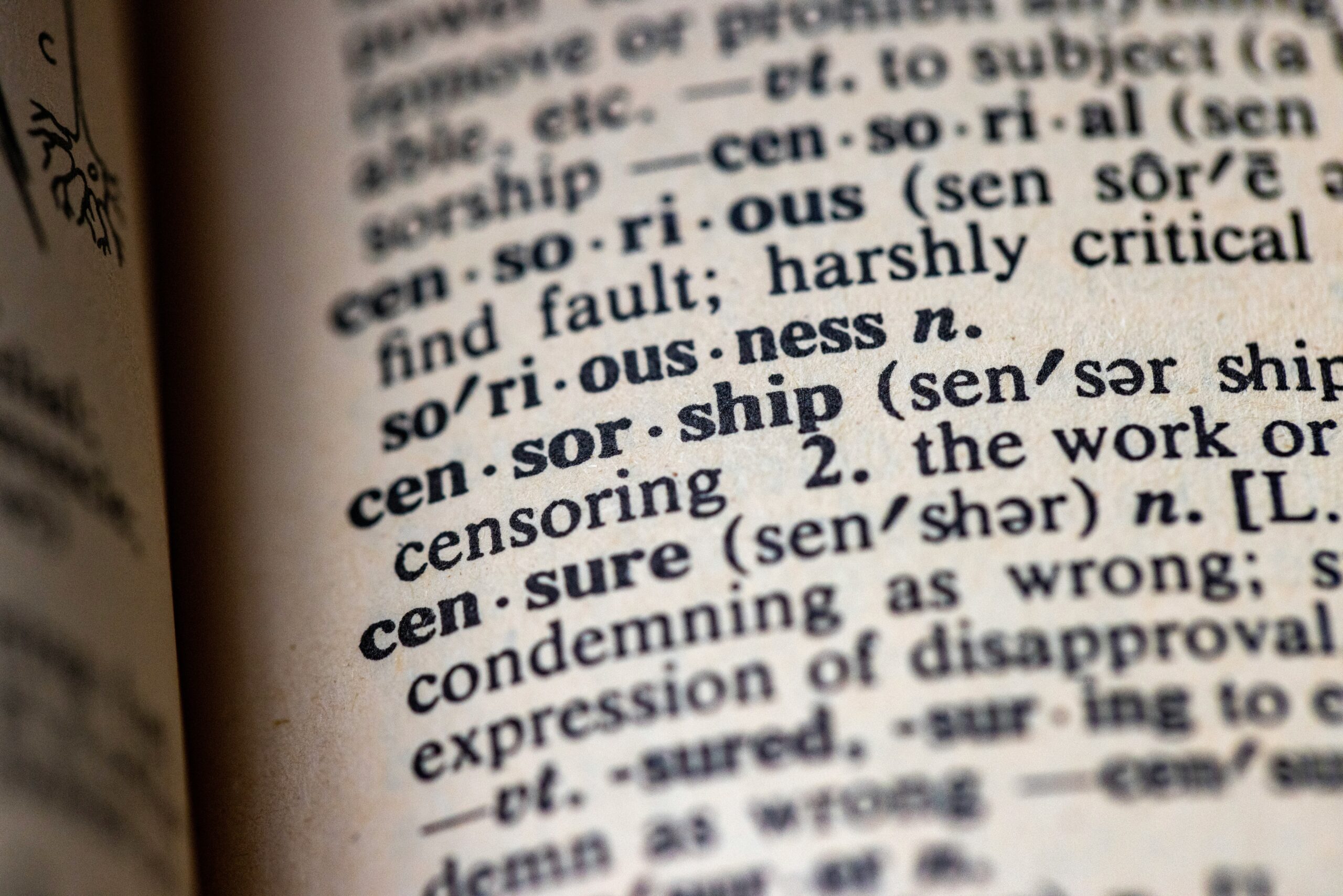
Photo by Mick Haupt on Unsplash