




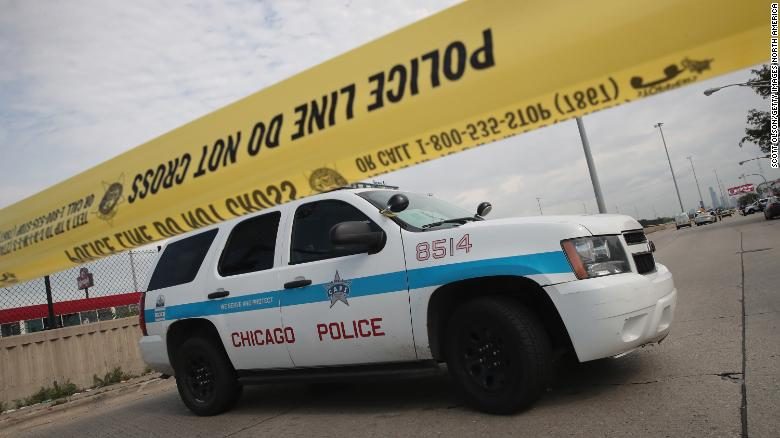
The debate over federal intervention in crime-ridden American cities resurfaced this week, with Chicago once again at the center of the discussion. On Chicago’s Morning Answer, Illinois State Representative La Shawn Ford—now running for Congress to succeed retiring Rep. Danny Davis—stressed that while Chicago’s violence problem is undeniable, solutions must be collaborative rather than imposed.
Ford acknowledged that crime in Chicago remains a crisis, pointing to the small number of individuals responsible for repeated violence on the city’s South and West Sides. “I want to do whatever it takes to make sure people feel safe and that we lock up the bad people,” he said. However, Ford criticized the idea of a unilateral deployment of the National Guard by the president without coordination from state and local officials. He argued that such a move risks disruption if it bypasses city and state law enforcement planning.
The question has taken on fresh urgency in light of data from Washington, D.C., where Mayor Muriel Bowser recently credited a federal surge in resources with an 87 percent drop in carjackings over three weeks. Supporters of similar interventions in other cities—including Chicago—say the results speak for themselves. Critics counter that federal action without local buy-in undermines democratic accountability.
Ford emphasized that the governor and mayor should press the federal government for meaningful resources, including funding for violence interruption programs, but do so on terms that respect state and local authority. “This isn’t about rejecting help,” he said, “it’s about ensuring we have a plan and a partnership.”
The exchange underscored a deeper divide over how to handle urban crime: whether to accept outside assistance regardless of politics, or to insist on locally controlled strategies even when federal resources are available. With public safety still topping the list of voter concerns in Chicago, the answer could shape both city policy and Ford’s congressional campaign.