




As the fallout from the 2021 Afghanistan withdrawal continues to reverberate, retired Marine Colonel Jonathan P. Meyers says Americans still don’t have a clear picture of who entered the country under Operation Allies Welcome—and how many pose potential security risks. In an interview with Dan Proft on Chicago’s Morning Answer, Meyers described a chaotic evacuation effort that prioritized speed and optics over safety and accuracy.
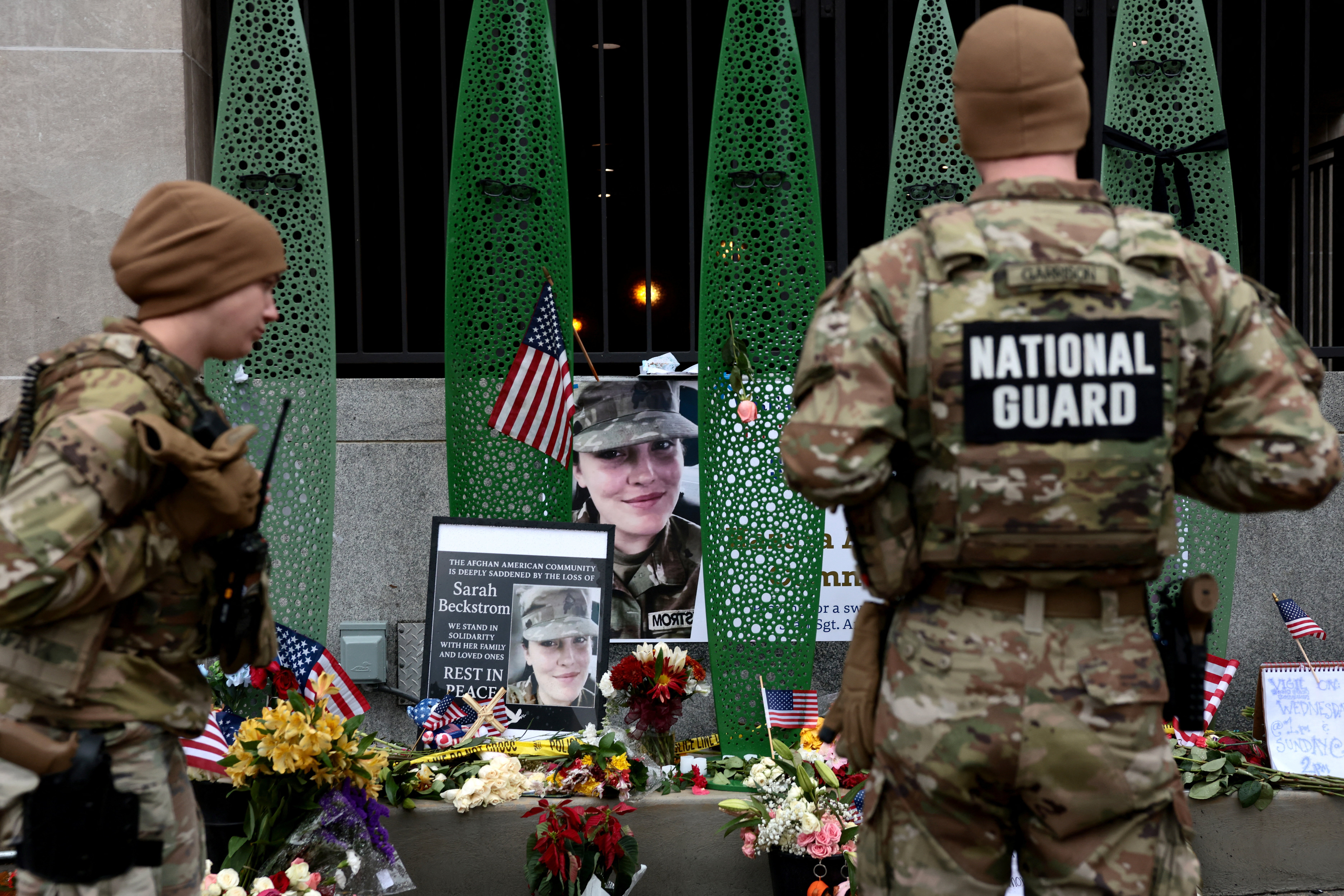
The renewed scrutiny comes after the arrest of Jawad Safi, an Afghan evacuee accused of supporting ISIS and providing weapons to a militia in Afghanistan, followed by the shooting of two National Guard soldiers in Washington, D.C. by another evacuee who entered the U.S. under the Biden administration’s airlift program.
“We were trying to rescue Americans—while the administration opened the floodgates.”
Meyers, who spent 28 years as a Marine intelligence officer, led a private evacuation network in the days after Kabul fell. His group—like others formed by veterans—focused on rescuing American citizens trapped in hiding and verified Afghan allies whose service to U.S. forces could be documented.
But the administration, he said, refused to cooperate.
“We had 138 Americans in hiding at one point,” Meyers recalled. “The Biden administration was publicly claiming there were none. They ignored our existence and blocked efforts behind the scenes.”
Meanwhile, he said, U.S. officials were loading planes with unvetted Afghans by the tens of thousands.
“They opened the floodgates to 125,000-plus people without processing their backgrounds,” Meyers told Proft. “Our verified allies—the people who actually fought with us—couldn’t get a seat. But anyone who made it to the airfield was waved through.”
Veteran groups were left pushing desperate families into third countries such as Qatar, hoping to buy time the U.S. would not provide.
A population of 150,000 to 190,000—and almost no clarity
Homeland Security officials recently estimated that nearly 190,000 Afghans ultimately entered the United States during and after the withdrawal—a number far higher than the original flight totals.
Meyers said no one inside or outside government appears to know how many were: Former interpreters or contractors, Family members of U.S. citizens, Applicants for Special Immigrant Visas, Or simply individuals who crowded onto planes as Kabul collapsed
“It was chaos,” Meyers said. “There was no reliable record-keeping and no method to verify who these people actually were.”
Even Afghan nationals personally vouched for by U.S. troops faced bureaucratic walls, he said, while unvetted arrivals were fast-tracked into resettlement programs.
The Washington State shooter case: a warning sign
Asked about the Afghan evacuee accused of killing a National Guard soldier in Washington, D.C., Meyers was blunt: even individuals with legitimate service backgrounds can be radicalized after arrival.
“The suburbs that radicalized this guy are the same suburbs that have radicalized red-blooded Americans,” he said. “A personal reference from a veteran isn’t enough. Background checks have to be extensive—and in a collapsed society like Afghanistan, real background checks are almost impossible.”
He noted that Afghanistan has no reliable law enforcement database, no cohesive governmental structure, and widespread identity fraud—meaning U.S. agencies cannot meaningfully verify a person’s past.
Can we actually vet Afghan arrivals? Meyers says: in many cases, no.
According to Meyers, real vetting requires: Reliable identity documentation, Local law enforcement or intelligence records, A functioning host-country bureaucracy, and a multi-year relationship monitored by U.S. personnel
Afghanistan, he said, offers none of that.
“You just don’t know who you’re getting,” he warned. “We’re relying on personal interviews, self-reported histories, and wishful thinking.”
Trump’s new pause on immigration from unstable nations—‘Absolutely the right approach.’
Proft asked whether President Trump’s temporary suspension of immigration from Afghanistan and nearly twenty other unstable or hostile nations is justified. Meyers did not hesitate.
“Absolutely,” he said. “Most Americans don’t understand the lawlessness in these places. You cannot run a real background investigation in countries where there are no authorities.”
Meyers also supported revisiting Temporary Protected Status (TPS) designations for countries like Somalia, arguing that previous large-scale resettlement efforts have produced both shining success stories and serious public safety failures.
The uncomfortable truth: mass vetting means mass removals
Proft raised the tension between protecting national security and honoring genuine wartime allies. Meyers acknowledged the moral weight of that dilemma—but said the scale of Biden-era admissions makes individualized review nearly impossible.
“When you bring people in en masse, the only way to fix mistakes is to conduct mass reviews—and that leads to mass removals,” Meyers said. “It’s the natural result of a chaotic process.”
He added that Trump’s current re-review of Afghan arrivals is necessary but will expose how little vetting was done in 2021.
A hard lesson for U.S. foreign policy
Perhaps the most sobering part of the conversation came when Meyers reflected on how America ends up in this position repeatedly.
“These crises almost always follow U.S. involvement overseas,” he said. “Things collapse, we feel guilt, and then we bring over hundreds of thousands of people with no vetting infrastructure in place. We can’t keep doing this.”
For Meyers, the path forward involves: A pause on admissions from ungoverned or terror-linked states, A comprehensive review of all Afghan evacuees already here, Deportation of anyone who cannot be fully vetted, And a return to slow, individualized admissions for genuine allies
“It’s exactly what President Trump is doing now,” he said. “Correcting mistakes. Tightening security. And finally putting Americans first.”