




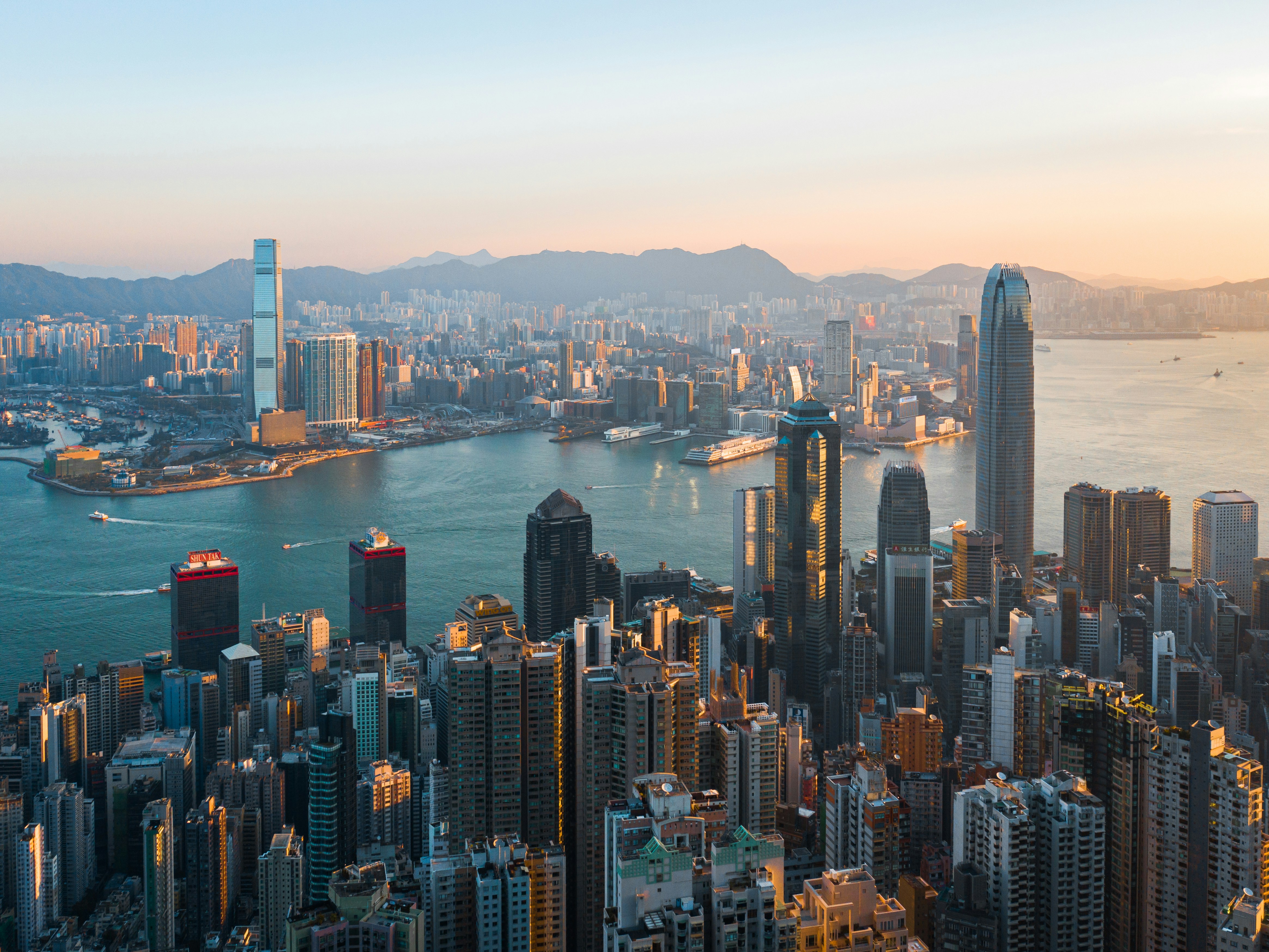
As new protest songs circulate online targeting federal immigration enforcement in the United States, a far more consequential fight over freedom is unfolding half a world away in Hong Kong. Dan Proft talked with Rev. Robert A. Sirico, co-founder and president emeritus of the Acton Institute, following the latest sentencing of pro-democracy publisher Jimmy Lai.
Lai, the 78-year-old founder of the now-shuttered Apple Daily newspaper, was recently handed an additional 20-year sentence by Hong Kong authorities for what the government described as spreading “seditious materials.” With multiple convictions now stacking up against him, the sentence effectively ensures he will spend the remainder of his life behind bars.
Sirico said the ruling was tragic but not surprising. Lai had the resources and international connections to leave Hong Kong before the crackdown intensified under Beijing’s national security law. Instead, he chose to remain, framing his decision as a moral obligation to defend the freedoms that had allowed him to build his life and business.
According to Sirico, Lai’s family remains remarkably composed in the face of the harsh sentence. His wife, Teresa, continues to live in Hong Kong and attended the recent court proceedings. Their children, including son Sebastian and daughter Claire, have been traveling internationally to raise awareness of their father’s case. Sirico recently met with Claire Lai in Michigan as she prepared for renewed advocacy efforts.
Sirico described Lai as spiritually fortified during his imprisonment. Through his family, Sirico has learned that Lai has spent his time reading theological works, including writings by St. Augustine, St. Thomas Aquinas, and Joseph Ratzinger. More than 100 books have been sent to him over the past two years, reflecting what Sirico called a deepening reliance on faith as a source of resilience.
The comparison between Lai and historic dissidents such as Aleksandr Solzhenitsyn and Nelson Mandela is not made lightly, Sirico said. Like those figures, Lai represents a challenge to authoritarian regimes precisely because his convictions are grounded in moral and religious principles that transcend political pressure.
Sirico also suggested that Lai’s case may become part of broader diplomatic discussions between the United States and China. While he cautioned against speculation, he noted that the Trump administration could potentially raise Lai’s imprisonment in future negotiations with Beijing. Any effort to secure his release would likely require quiet diplomacy rather than public confrontation.
Beyond the geopolitical maneuvering, Sirico emphasized that Lai’s witness has already had an impact. A documentary about his life, The Hong Konger, has garnered millions of views online and has reportedly been seen even inside mainland China, despite official censorship.
Sirico argued that Lai’s endurance in prison underscores the spiritual dimension of the struggle for freedom. Authoritarian governments can confiscate property, silence newspapers, and impose prison sentences, he said, but they cannot extinguish the inner convictions that sustain dissidents like Lai.
As debates over immigration enforcement, national sovereignty, and protest movements continue in the United States, Sirico suggested that Americans would do well to remember what true repression looks like. In Hong Kong, he said, the cost of speaking out is not social criticism or political disagreement but decades in prison.
For now, Lai remains incarcerated, sustained by faith and supported by a family determined to keep his story in the public eye. Sirico said the responsibility now falls to religious leaders, policymakers, and ordinary citizens alike to ensure that his case is not forgotten.