




Chicago’s Morning Answer with Dan Proft focused on the availability of crime data related to illegal immigration and the policy consequences of sanctuary laws, following the release of a detailed report from Tennessee prosecutors. Erick Chomskis, a civilian employee at the Department of Defense and contributor to The Hill, joined the program to examine how differences between sanctuary and non-sanctuary states affect transparency, public safety, and enforcement outcomes.
The discussion centered on a report issued by the Tennessee District Attorneys General Conference outlining tens of thousands of criminal charges in 2025 involving individuals in the country illegally, including violent offenses, homicides, sexual assaults, kidnappings, and driving-related crimes. Proft contrasted Tennessee’s ability to compile and publish such data with Illinois, where state law restricts law enforcement from inquiring about or recording immigration status, effectively preventing similar reporting. He argued that the absence of data in sanctuary states obscures the scope of preventable crimes and leaves victims without public acknowledgment.
Chomskis said his own research underscored how difficult it is to obtain consistent, reliable information on crimes committed by illegal immigrants, noting that the lack of data appears less accidental than intentional. He argued that without transparency, policymakers and the public are left debating immigration enforcement in the abstract, while real-world consequences remain hidden. Both emphasized that human stories, rather than statistics alone, tend to cut through political messaging and shape public opinion.
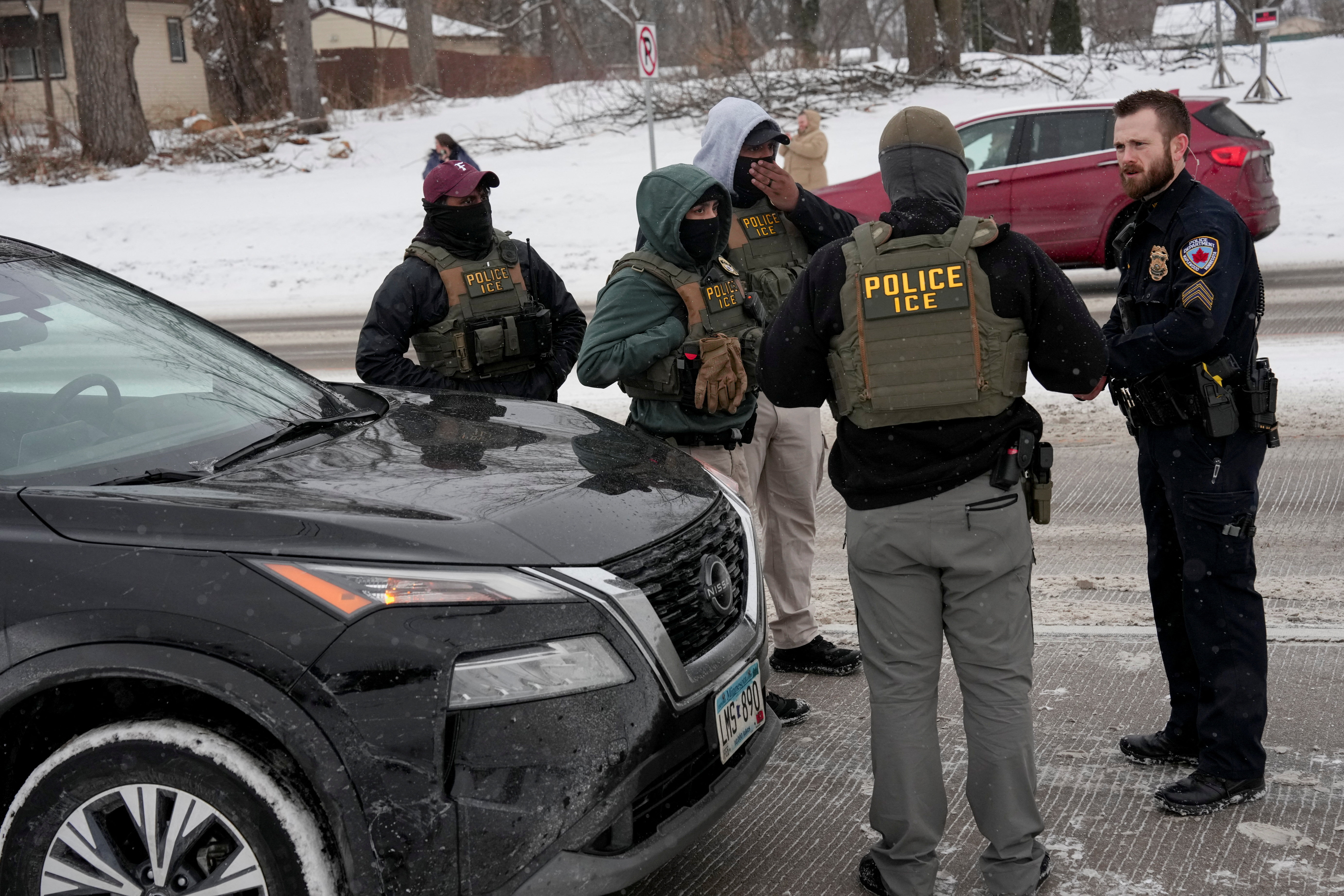
The conversation also examined the unintended effects of sanctuary policies on enforcement tactics. Chomskis argued that when local authorities refuse to cooperate with federal agencies, arrests are pushed out of controlled settings like jails and into neighborhoods, increasing risk to bystanders and officers alike. He said political leaders who condemn the resulting public encounters often overlook how their own policies create those conditions.
Attention turned to emerging divisions within the Democratic Party, with Proft citing comments from Pennsylvania Governor Josh Shapiro acknowledging cooperation with federal authorities in cases involving violent offenders. Chomskis said those remarks highlight a growing contrast between officials who prioritize public safety and those who embrace absolutist sanctuary positions, suggesting the issue may no longer be as ideologically uniform as it once appeared.
The discussion concluded with questions about accountability and enforcement beyond immigration law, including whether prosecutors in some jurisdictions are providing preferential treatment that shields criminal offenders from federal scrutiny. Chomskis argued that sustained public pressure and investigative follow-through are necessary to determine whether funding networks and policy decisions are contributing to ongoing unrest and public safety challenges.
As immigration enforcement remains a defining national issue, the exchange underscored how state and local policy choices can determine not only outcomes on the ground, but also what the public is allowed to see and understand about their consequences.